Daulat Rao Scindia was the Maratha ruler of Gwalior during the expansion of British power in India. His forces fought the East India Company in the Second Anglo-Maratha War, suffering major defeats including Assaye and Laswari before accepting restrictive treaties.
The defeats of 1803 forced Scindia to cede extensive territory and accept a greatly reduced strategic position under the Treaty of Surji-Anjangaon. He continued to rule Gwalior and later negotiated a new settlement with the British, but the balance of power had shifted decisively toward the East India Company. His reign illustrates the political fragmentation of the Maratha confederacy during the expansion of British paramountcy.
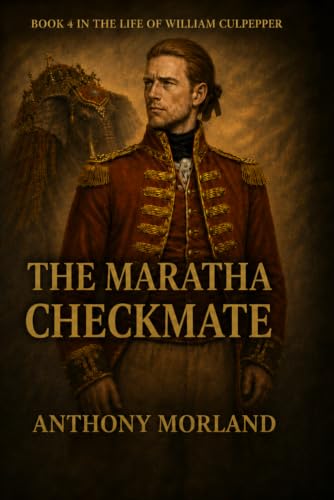
Anthony Morland’s The Maratha Checkmate brings Daulat Rao Scindia into the Second Anglo-Maratha War that follows the Peshwa’s flight from Poona and the East India Company’s intervention in Maratha politics. Scindia’s power is part of the coalition Arthur Wellesley must break as the campaign moves through Assaye, siege warfare and the assault on Gawilghur, making his resistance one of the principal political forces behind the novel’s military action.