Anthony Babington was an English Catholic gentleman born at Dethick in Derbyshire in 1561. Raised in a recusant family, he came of age when the Elizabethan government increasingly treated Catholic missionary activity and support for Mary, Queen of Scots, as matters of state security. Babington had encountered Mary’s household while young and later became part of a network of Catholics hoping to free her. In 1586 the priest John Ballard drew him into a plan combining foreign intervention, Mary’s release and the assassination of Elizabeth I.
The conspiracy was penetrated by Francis Walsingham’s intelligence network. Gilbert Gifford carried coded correspondence through channels that the government could intercept, while Thomas Phelippes deciphered the letters. Babington’s written scheme and Mary’s reply supplied evidence used first against the conspirators and then against Mary herself. Babington attempted to flee after the arrests began but was captured, convicted of treason and executed in London on 20 September 1586. Mary’s trial and execution followed, making the plot a decisive episode in the final years of her captivity.
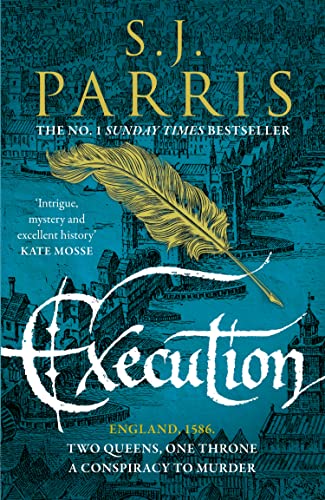
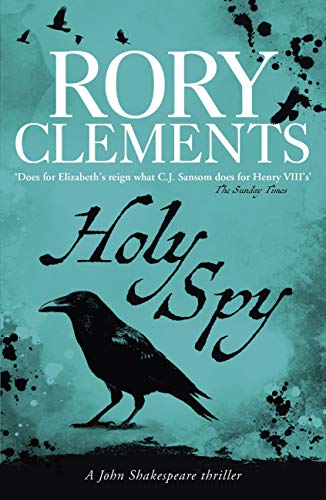
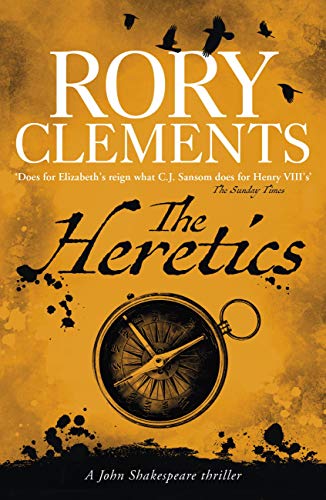
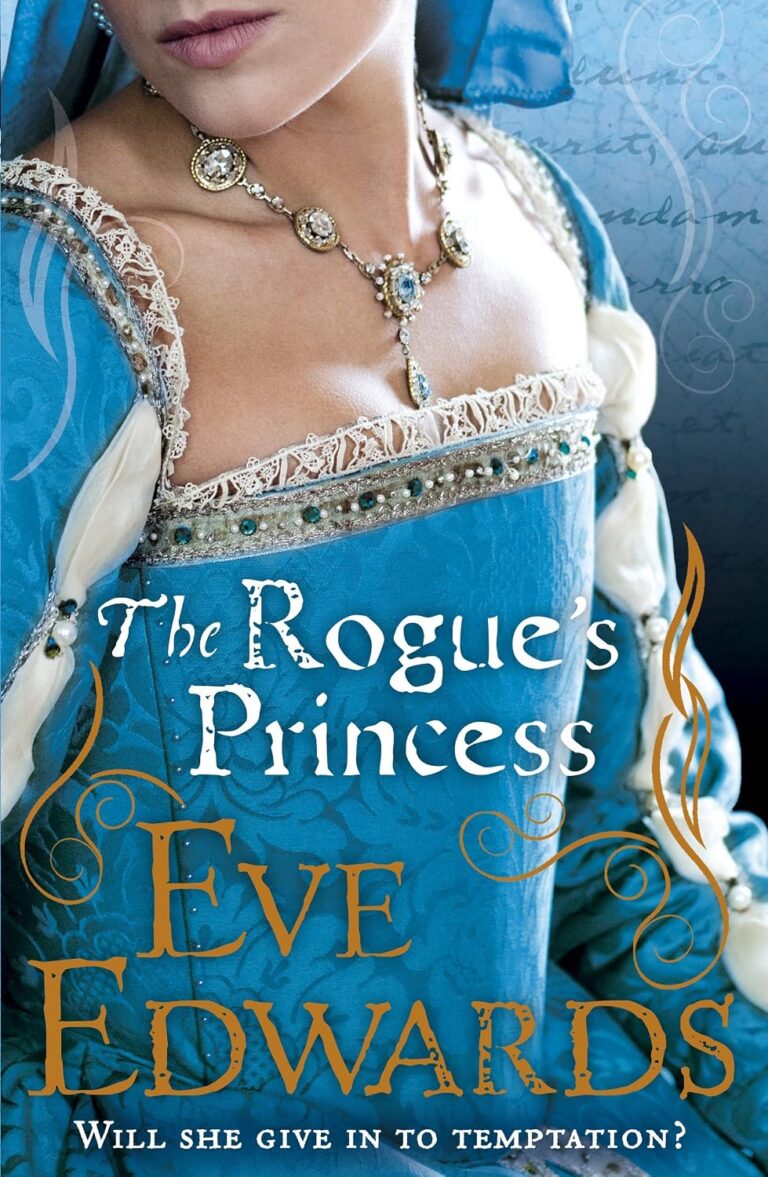
S. J. Parris’ Execution and Rory Clements’ Holy Spy both place fictional agents inside Walsingham’s surveillance of Babington’s conspiracy, using the real interception of letters as the framework for espionage plots. Eve Edwards’ The Rogue’s Princess brings its fictional lovers into danger through Kit Turner’s association with Babington. All three therefore use the same documented conspiracy while inventing the private conversations, motives and undercover activity needed for their narratives.