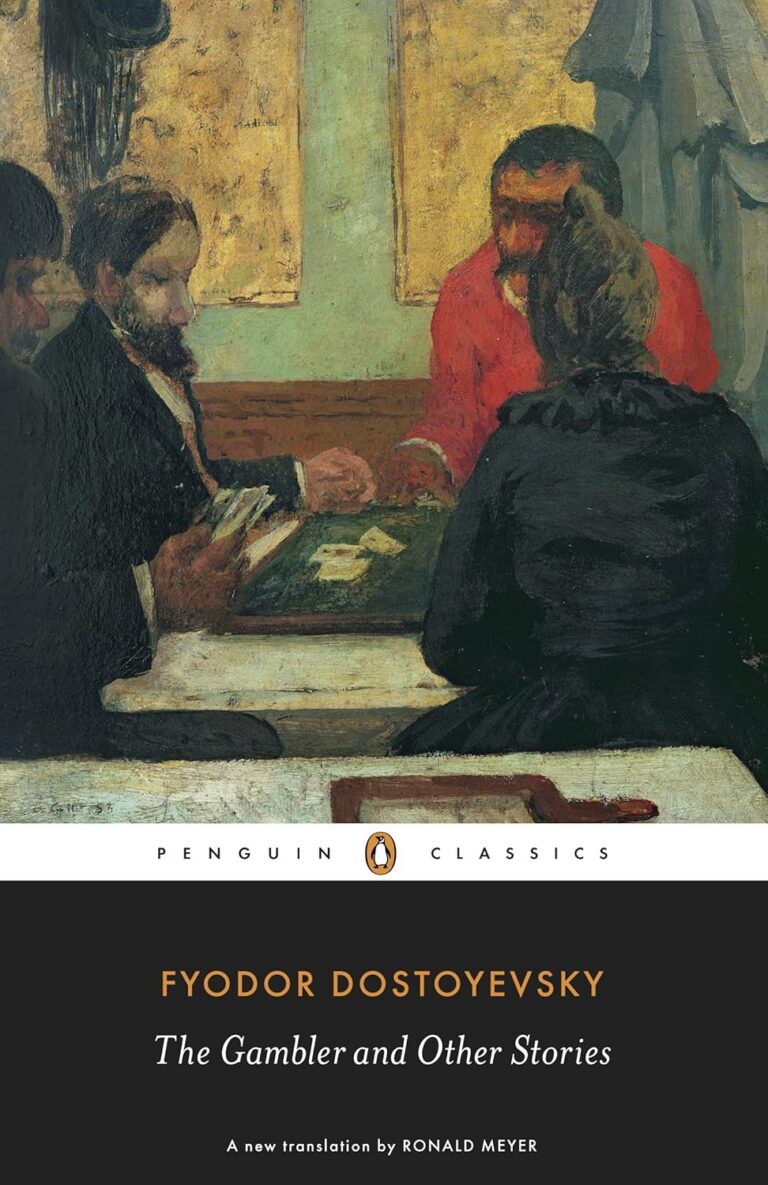
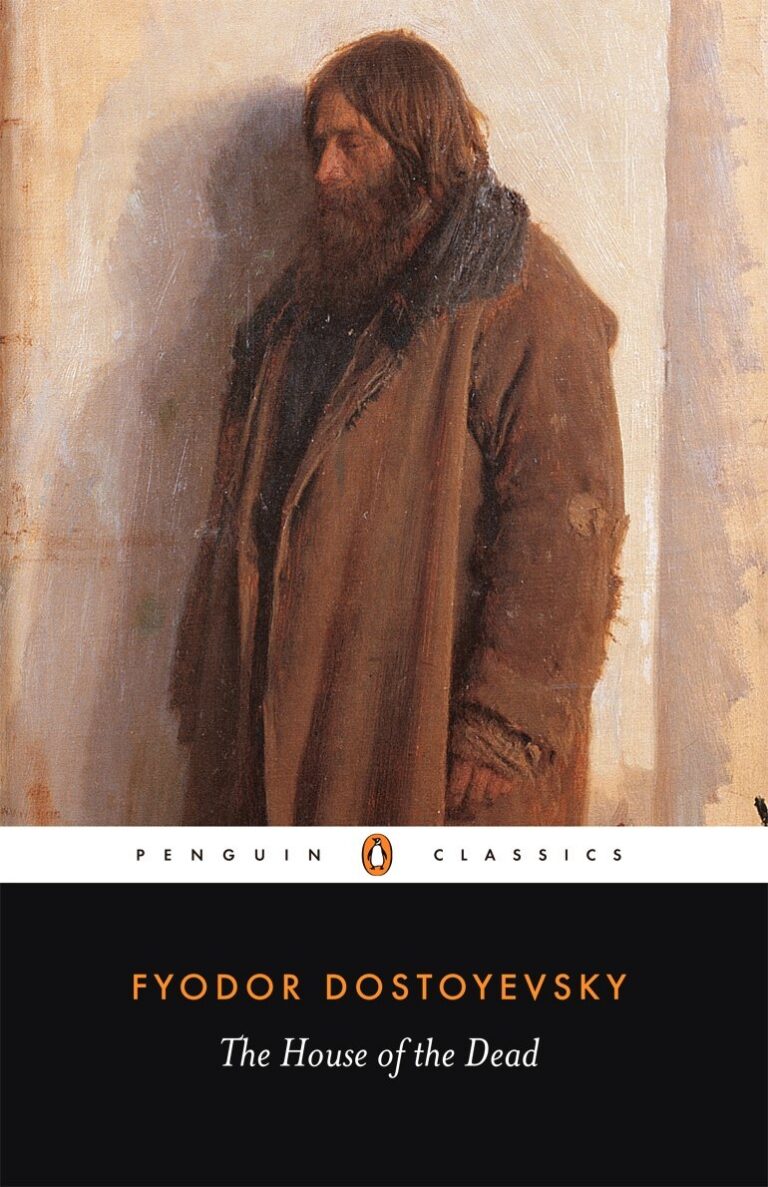
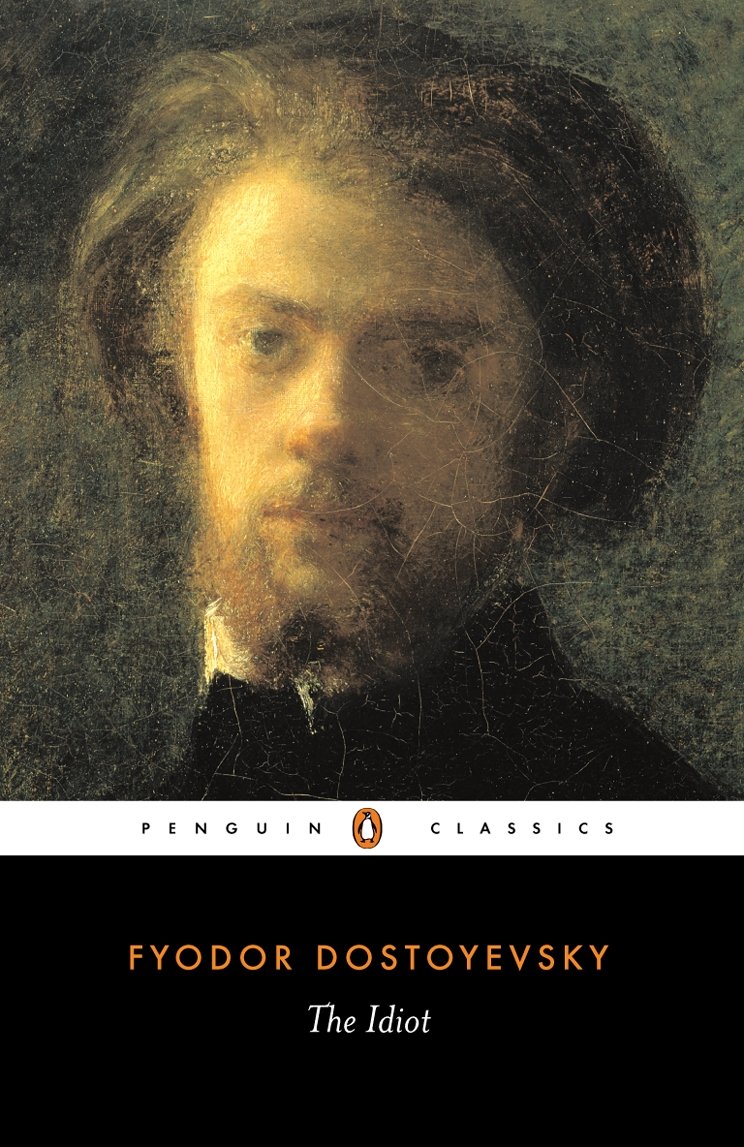
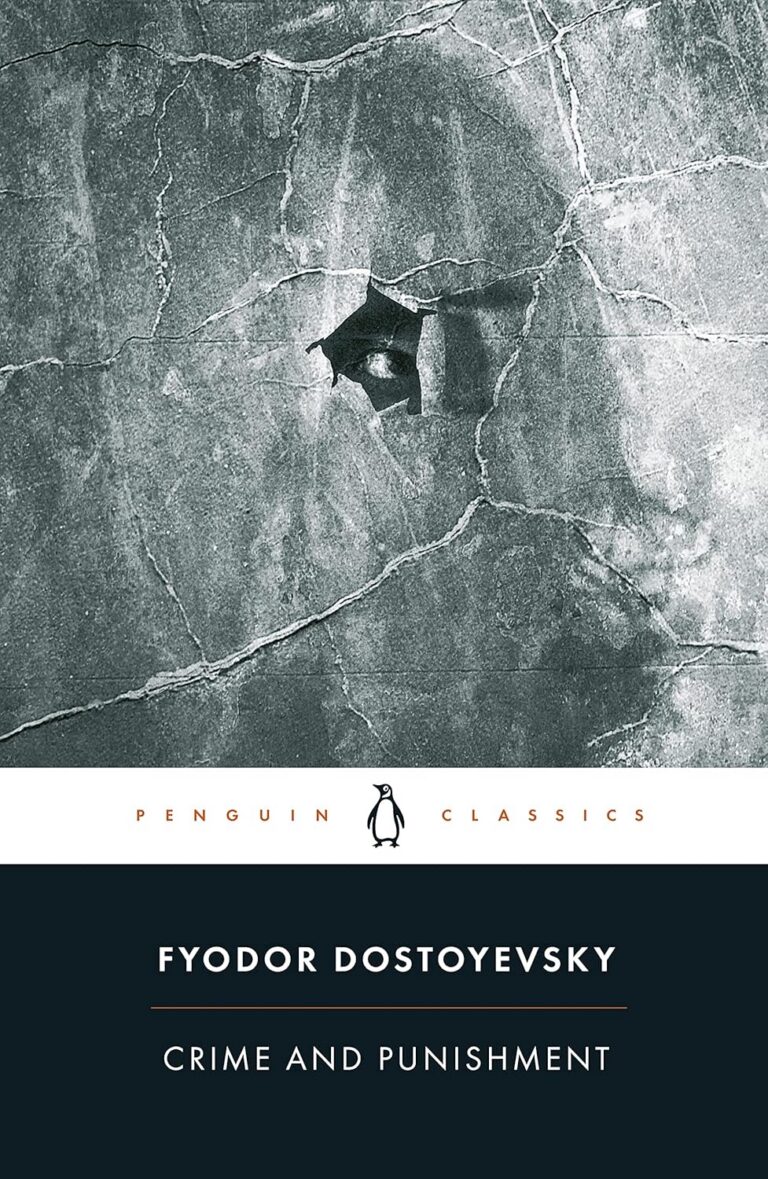
Fyodor Dostoevsky was a Russian novelist, journalist and essayist born in Moscow in 1821. After training as a military engineer, he turned to literature and gained early recognition with Poor Folk. In 1849 he was arrested for involvement with a discussion group critical of the Russian government, subjected to a staged execution and sent to imprisonment and military exile in Siberia. These experiences, together with his struggles with epilepsy, debt and gambling, profoundly shaped his treatment of suffering, guilt, faith, freedom and political extremism. He died in Saint Petersburg in 1881.
Dostoevsky’s major novels include Crime and Punishment, The Idiot, Demons, The Brothers Karamazov and Notes from Underground. His fiction explores people driven to moral, psychological and spiritual extremes, often within the poverty, social inequality and ideological conflict of nineteenth-century Russia. Although his novels were largely contemporary when written rather than conventional historical fiction, they now provide an important literary portrayal of imperial Russian society, including its prisons, courts, intellectual movements, religious debates and revolutionary tensions.


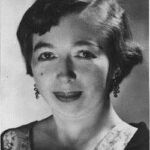 Rosemary Sutcliff
38 books
Rosemary Sutcliff
38 books
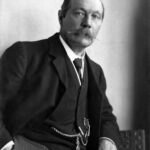 Sir Arthur Conan Doyle
24 books
Sir Arthur Conan Doyle
24 books
 Jeffrey Archer
18 books
Jeffrey Archer
18 books
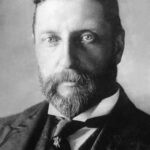 H. Rider Haggard
55 books
H. Rider Haggard
55 books
 William Boyd
20 books
William Boyd
20 books