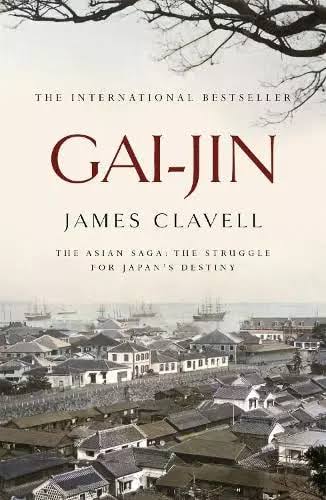
The Bakumatsu began when foreign powers forced the Tokugawa shogunate to abandon much of Japan’s previous restriction on overseas relations. Unequal treaties opened ports and created foreign settlements, while debate over trade and sovereignty divided domains, court nobles and samurai activists.
Supporters of the shogunate faced movements advocating imperial restoration and the expulsion of foreigners. Assassination, factional struggle and conflict between domains intensified until the collapse of Tokugawa rule and the Meiji Restoration in 1868.
Gai-Jin is set within this crisis. Its fictional Japanese leaders, revolutionary samurai and foreign merchants operate in a political world shaped by treaty ports, anti-foreign violence and the weakening authority of the shogunate.