Minamoto no Yoritomo was born in 1147 into the Seiwa Genji branch of the Minamoto clan. After his father Yoshitomo was defeated in the Heiji conflict of 1160, the young Yoritomo was spared execution but exiled to Izu, where he spent two decades under supervision. When Prince Mochihito called for resistance to Taira dominance in 1180, Yoritomo raised forces in eastern Japan and gradually built a coalition of warrior families whose loyalty depended on land, protection and recognition rather than the older court hierarchy alone.
During the Genpei War, Minamoto armies destroyed Taira power, culminating in the naval Battle of Dan-no-ura in 1185. Yoritomo then eliminated or marginalised potential rivals, including his celebrated half-brother Yoshitsune, and secured court recognition for institutions that allowed him to appoint military stewards and constables across the provinces. He established his headquarters at Kamakura and received the title of shogun in 1192. The system he created did not abolish the imperial court, but it established a durable parallel warrior government and made Kamakura the centre of political authority for the new military elite.
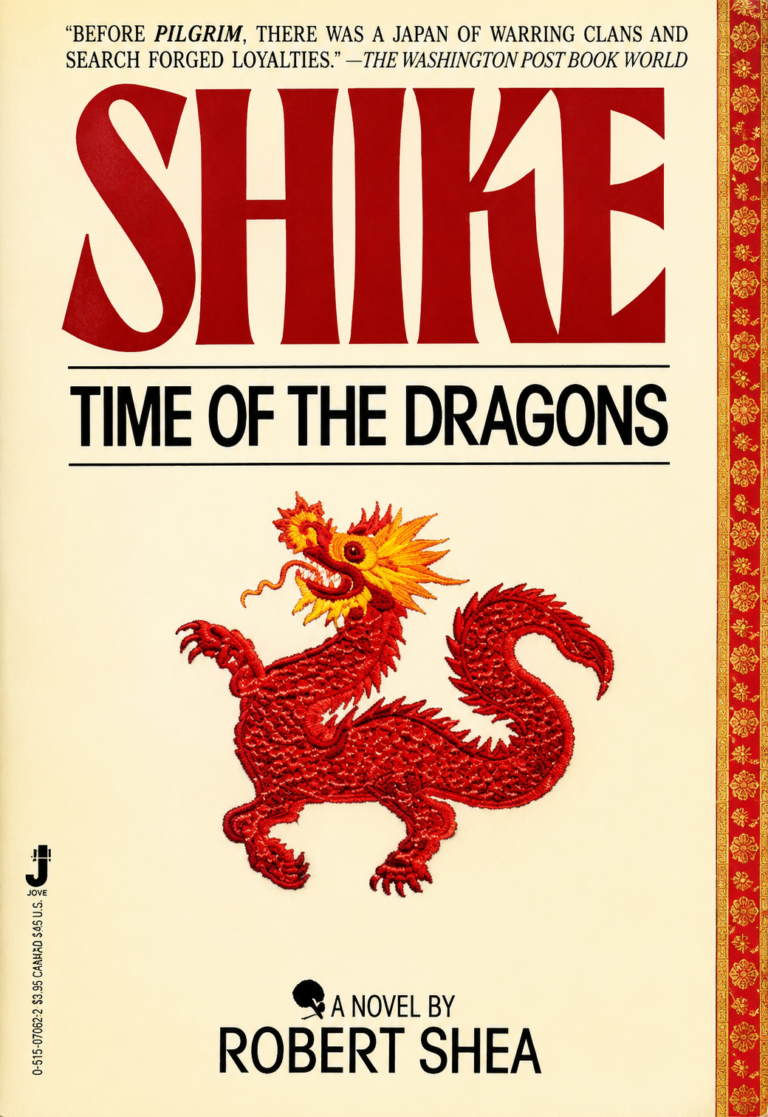
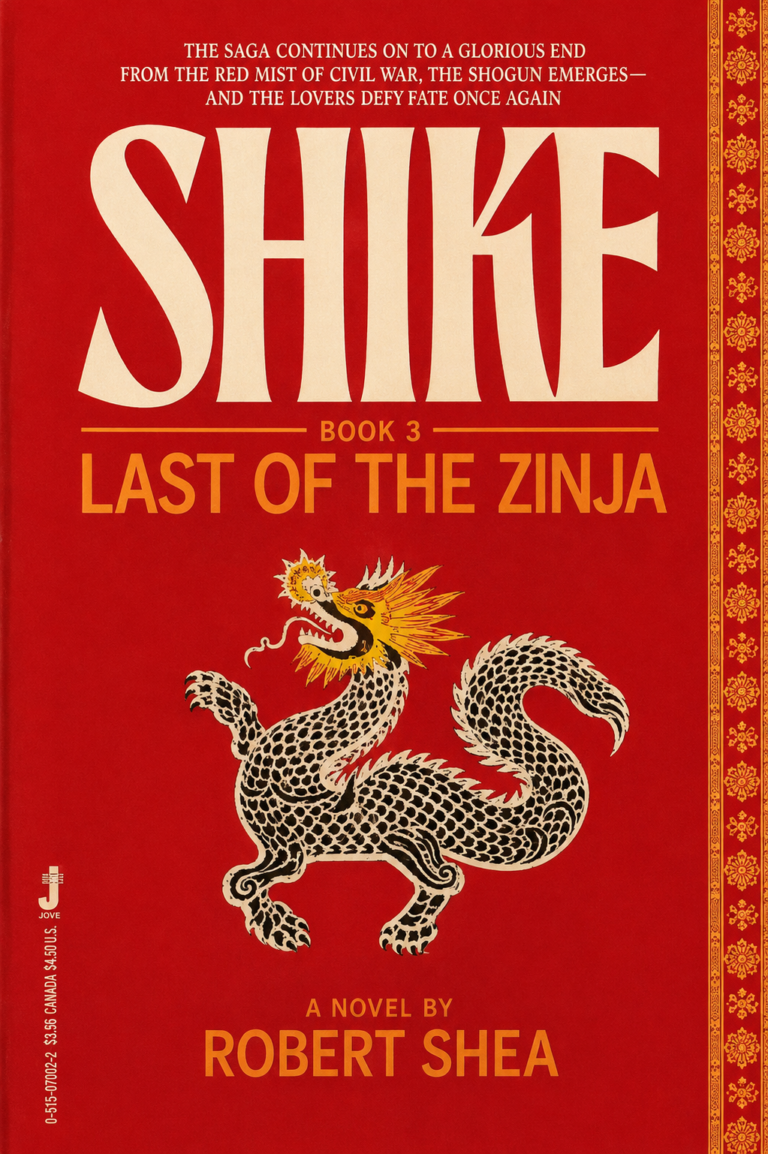
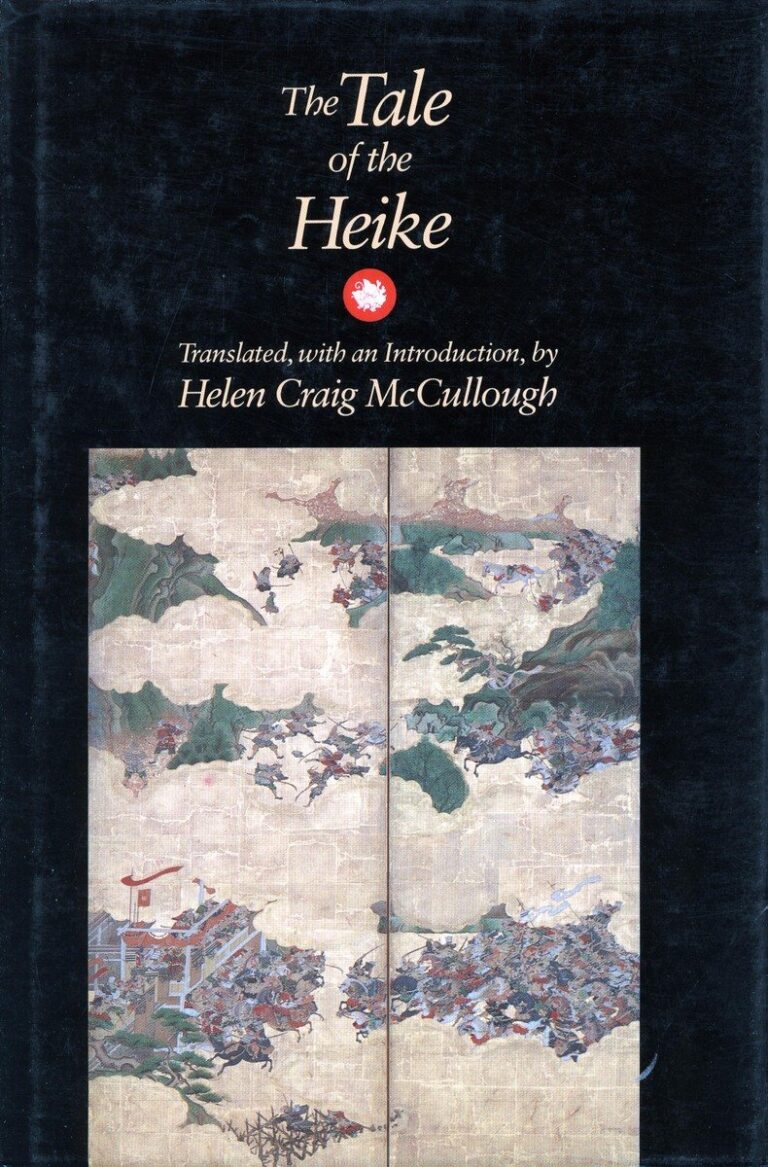
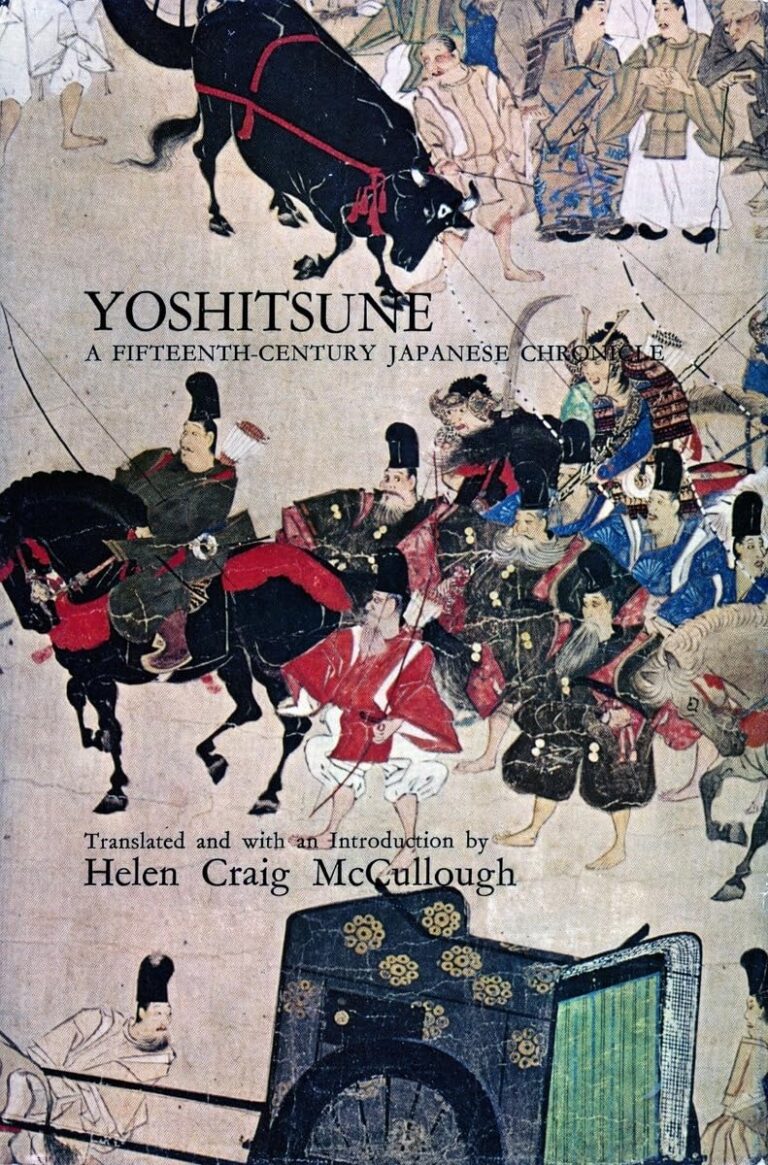
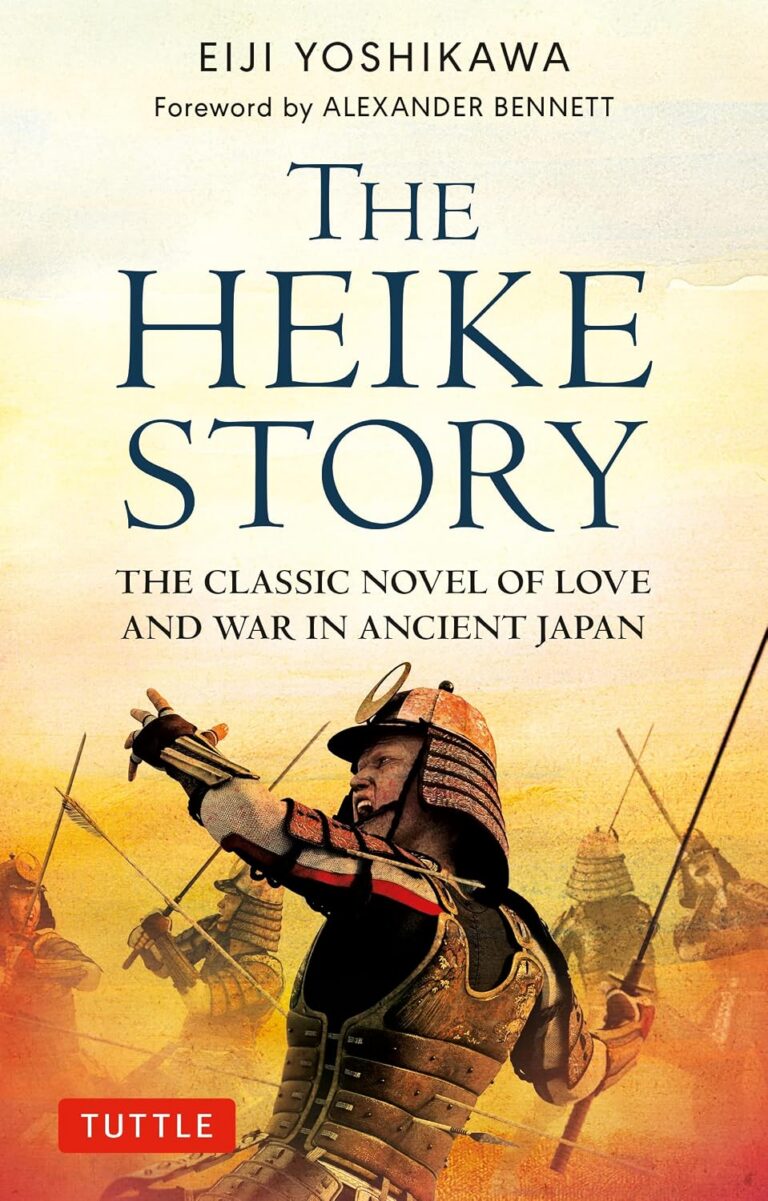
In Eiji Yoshikawa’s The Heike Story, the rise and fall of the Taira becomes both a dynastic tragedy and an account of the transition from aristocratic rule towards the warrior government established by Minamoto no Yoritomo. Helen Craig McCullough’s Yoshitsune follows his legendary childhood, rise as a commander during the Genpei War and partnership with the warrior monk Benkei, before turning to the conflict with his elder brother Minamoto no Yoritomo that makes Yoshitsune a fugitive. Further fictional perspectives on Minamoto no Yoritomo can be found in Robert Shea’s The Last of the Zinja, Helen Craig McCullough’s The Tale of the Heike, and Robert Shea’s Time of the Dragons.