
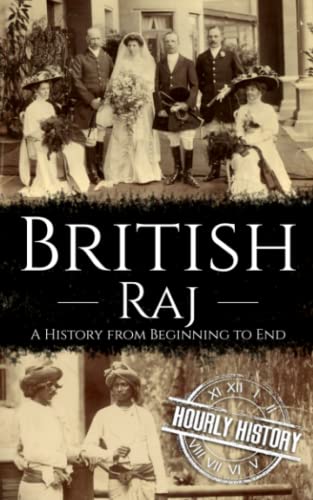
1. British Raj
The British Raj examines direct Crown rule in India from the rebellion of 1857 to independence in 1947. It explains the administrative structures, army, railways, taxation and legal systems through which a relatively small colonial establishment governed a vast and diverse population. The book also follows…
2. History of India
History of India presents a broad chronology of the subcontinent from ancient urban civilisation and religious traditions to empires, regional states, colonial rule and independence. Its selected events show how political power repeatedly interacted with trade, migration, language and belief. The book moves through Mauryan and…
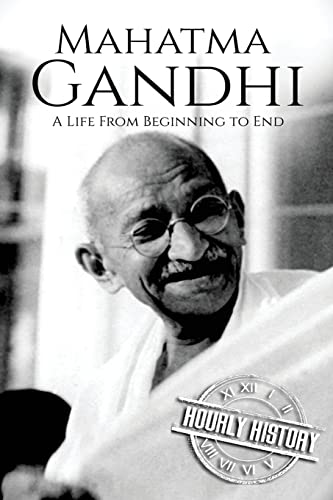
3. Mahatma Gandhi
Mahatma Gandhi traces the lawyer and political organiser who made nonviolent mass action central to the struggle against British rule. It follows his formative years in South Africa, return to India and leadership in campaigns involving peasants, workers, taxation and civil disobedience. The biography examines the…
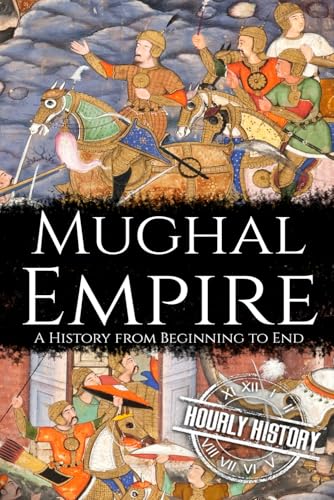
4. Mughal Empire
The Mughal Empire surveys the dynasty founded by Babur in 1526 and its development into one of early modern Asia’s most powerful states. It follows conquest, administrative integration and the reigns of Akbar, Jahangir, Shah Jahan and Aurangzeb. The book examines revenue systems, military organisation, court…
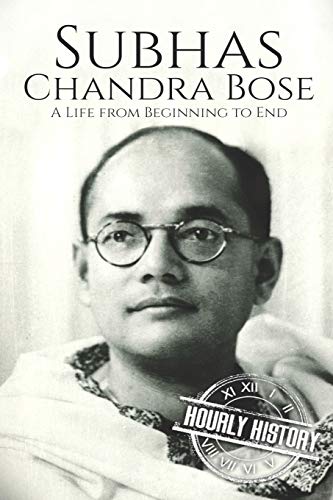
5. Subhas Chandra Bose
Subhas Chandra Bose follows the nationalist leader who rejected gradual constitutional politics and sought foreign assistance to overthrow British rule. It traces his early activism, repeated imprisonment, rise within the Indian National Congress and conflict with Gandhi and the party leadership. The biography follows Bose’s escape…
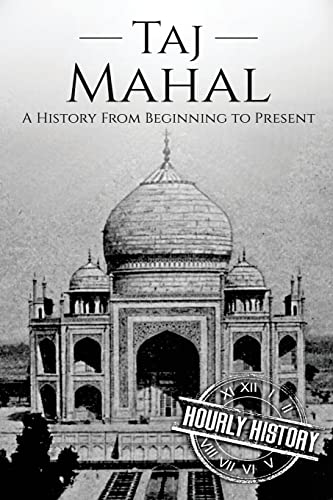
6. Taj Mahal
The Taj Mahal examines the seventeenth-century mausoleum commissioned by the Mughal emperor Shah Jahan after the death of Mumtaz Mahal. It places the monument within the imperial city of Agra, Mughal funerary traditions and a court culture that used architecture to express dynasty, faith and sovereignty.…
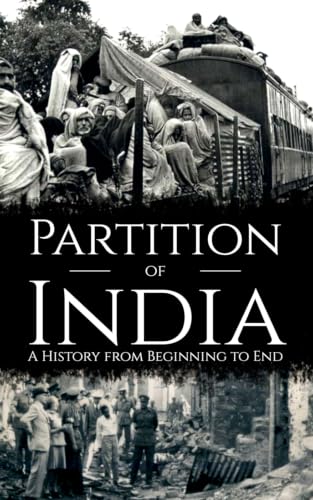
7. The Partition of India
The Partition of India recounts the end of British rule in 1947 and the creation of India and Pakistan. It traces wartime politics, negotiations among the British government, the Indian National Congress and the Muslim League, and the hurried drawing of new borders. The book centres…