Shah Jahan was the fifth Mughal emperor, ruling from 1628 until his deposition in 1658. His reign is associated with Mughal military power, court ceremonial and monumental architecture, especially the Taj Mahal commissioned after the death of his wife Mumtaz Mahal.
Born Prince Khurram, Shah Jahan secured the throne after a succession struggle following the death of Jahangir. His court sponsored the Red Fort and Jama Masjid in Delhi as well as the Taj Mahal, giving his reign an enduring architectural legacy. When he became seriously ill in 1657, rivalry among his sons erupted into civil war; Aurangzeb defeated his brothers, deposed Shah Jahan and kept him confined at Agra until his death in 1666.
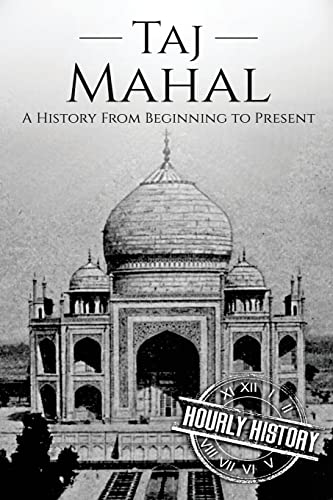
Hourly History’s Mughal Empire follows conquest, administrative integration and the reigns of Akbar, Jahangir, Shah Jahan and Aurangzeb. Hourly History’s Taj Mahal examines the seventeenth-century mausoleum commissioned by the Mughal emperor Shah Jahan after the death of Mumtaz Mahal. Further fictional perspectives on Shah Jahan can be found in Alex Rutherford’s Empire of the Moghul: The Serpent’s Tooth and Alex Rutherford’s Empire of the Moghul: Traitors in the Shadows. For broader historical treatment of Shah Jahan, see Hourly History’s History of India.