
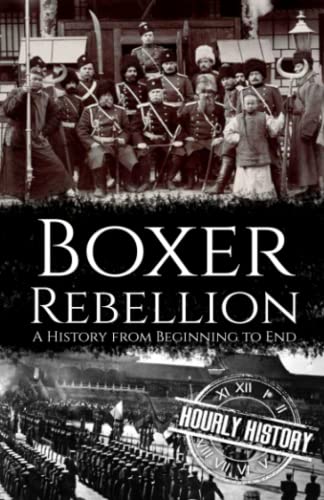
1. Boxer Rebellion
The Boxer Rebellion examines the anti-foreign and anti-Christian movement that spread across northern China in 1899 and 1900. It places the Boxers within the pressures of drought, missionary expansion, imperial rivalry and popular hostility towards concessions and railways. The account follows the Qing court’s divided response,…
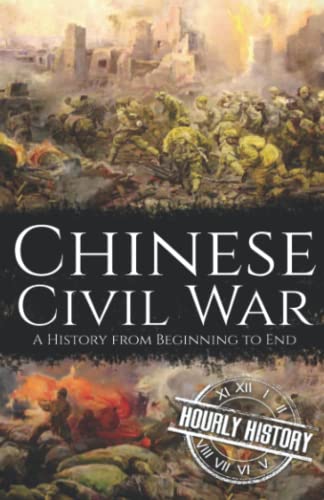
2. Chinese Civil War
The Chinese Civil War traces the prolonged struggle between the Nationalists and Communists from the breakdown of their alliance in the 1920s to the Communist victory in 1949. It follows campaigns, political mobilisation, the Long March and the uneasy united front against Japan. The book examines…
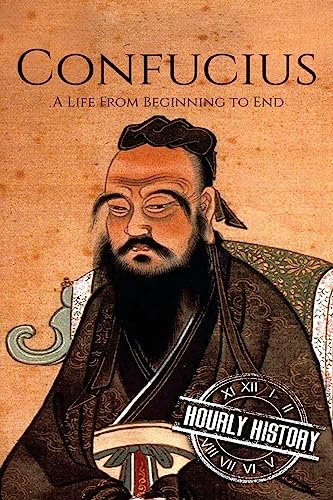
3. Confucius
Confucius follows the teacher and thinker whose ideas became foundational to Chinese political and ethical traditions. It places him in the fragmented world of the late Spring and Autumn period, when rulers and advisers debated how order could be restored amid competition among states. The biography…
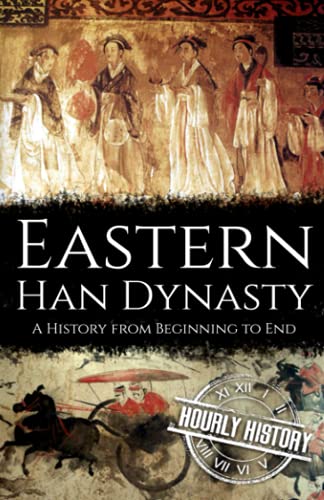
4. Eastern Han Dynasty
The Eastern Han Dynasty surveys the restoration of Han rule in 25 CE and the empire’s development until its collapse in 220. It examines the rebuilding of central authority, agricultural recovery, court politics and renewed expansion into Central Asia. The book follows the influence of imperial…
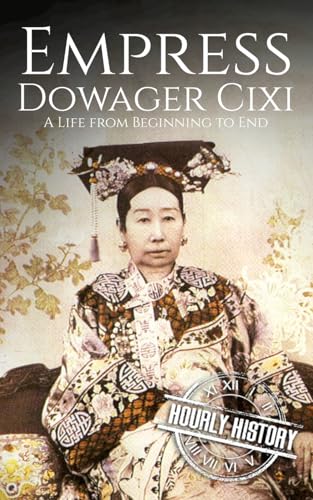
5. Empress Dowager Cixi
Empress Dowager Cixi examines the concubine who became the dominant political figure of the late Qing court. It follows her rise after the Xianfeng emperor’s death, the regencies conducted in the names of the Tongzhi and Guangxu emperors and her management of court alliances. The biography…
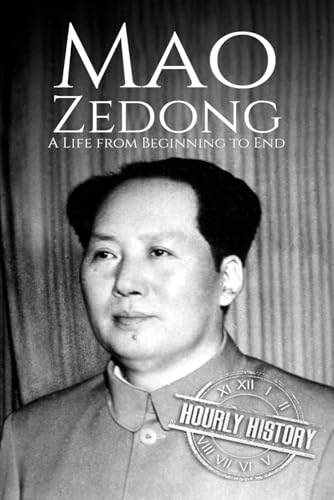
6. Mao Zedong
Mao Zedong traces the revolutionary leader from his youth in Hunan and early Communist activism to his victory in the Chinese Civil War and leadership of the People’s Republic. It follows rural organising, the Long March, resistance to Japan and the defeat of the Nationalist government.…
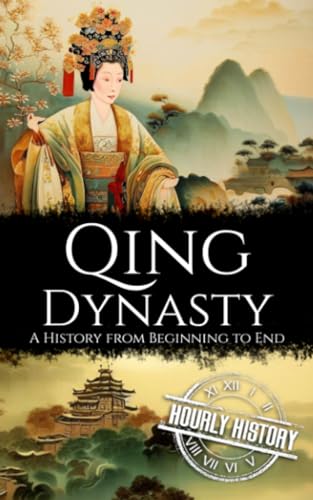
7. Qing Dynasty
The Qing Dynasty surveys the Manchu-led empire that ruled China from the seventeenth century until 1912. It follows conquest and consolidation, territorial expansion, population growth and the complex administration of a multi-ethnic imperial state. The book examines court culture, commerce, scholarship and relations with Inner Asia…
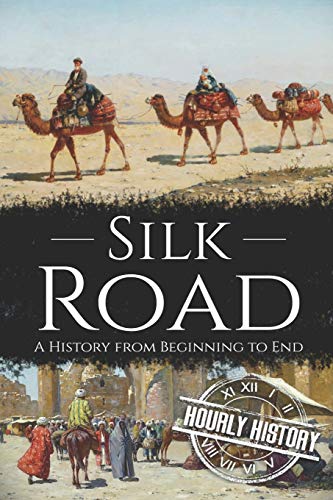
8. Silk Road
The Silk Road explores the changing network of overland and maritime routes that connected China, Central Asia, the Middle East and the Mediterranean. Rather than a single road, it presents a series of commercial and diplomatic corridors shaped by empires, oasis cities and mobile communities. The…
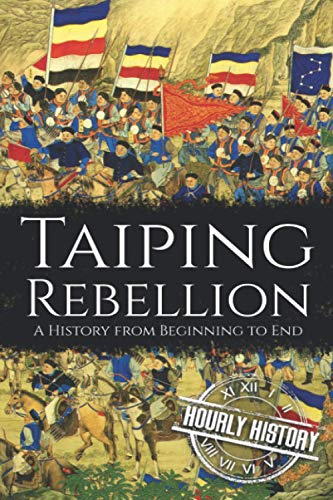
9. Taiping Rebellion
The Taiping Rebellion examines the vast civil war that convulsed Qing China from 1850 to 1864. It traces Hong Xiuquan’s religious movement, its rapid expansion from Guangxi and the creation of the Taiping Heavenly Kingdom at Nanjing. The account follows ideological reform, military campaigns, internal division…
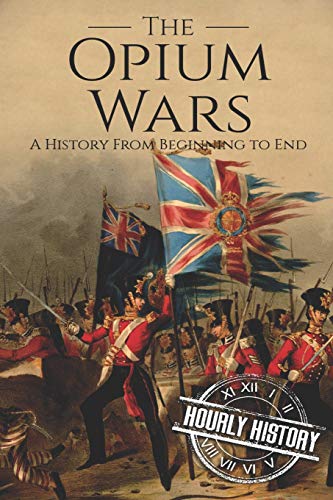
10. The Opium Wars
The Opium Wars recount the conflicts through which Britain and other Western powers forced Qing China to expand foreign trade and diplomatic access. It explains the opium economy, Lin Zexu’s suppression campaign and the naval and technological imbalance exposed in the First Opium War. The book…
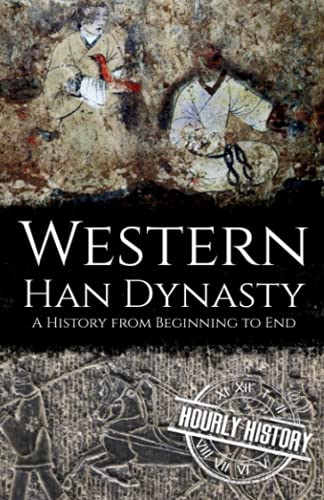
11. Western Han Dynasty
The Western Han Dynasty surveys the empire founded after the collapse of the Qin and ruled from 206 BCE to 9 CE. It follows the consolidation of imperial government, the reduction of rival kingdoms and the political balance between central authority and powerful families. The book…