As an Amazon Associate I earn from qualifying purchases. Affiliate disclosure.

Home / People / Robert de Beaumont, 2nd Earl of Leicester

Historical person

Robert de Beaumont, 2nd Earl of Leicester

1104–1168

Robert de Beaumont, 2nd Earl of Leicester, was an Anglo-Norman magnate and royal administrator who played a major role in English government during the mid-twelfth century. Born in 1104, he and his twin brother Waleran inherited extensive lands on both sides of the Channel from Robert de Beaumont, 1st Earl of Leicester. During the civil war known as the Anarchy, Robert generally supported King Stephen while carefully protecting his family’s cross-Channel interests.

Robert later made terms with Henry of Anjou before Henry became Henry II in 1154 and emerged as one of the new king’s most trusted ministers. Often described as chief justiciar, he helped govern England during royal absences and participated in judicial, fiscal and political administration. He was also an important religious patron, founding Leicester Abbey and supporting other houses. His long career illustrates the continuity of elite service across the troubled transition from Stephen’s reign to Angevin government. He died in 1168.

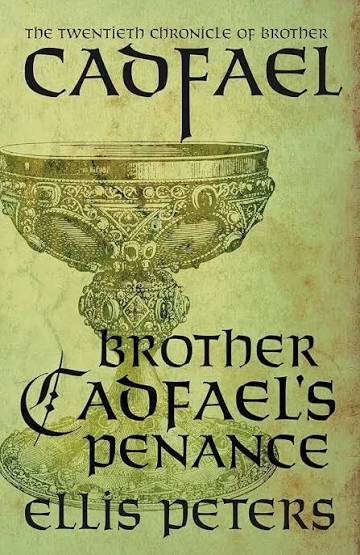
Ellis Peters’s Brother Cadfael’s Penance places Robert de Beaumont within the high politics of the Anarchy, when shifting noble loyalties and failed negotiations keep Stephen and Empress Matilda from ending the civil war. The Holy Thief uses the same 1140s political landscape around Shrewsbury, where Leicester’s standing among the great magnates forms part of the unstable network of royal and baronial authority surrounding Cadfael’s local investigation.

Periods

Periods linked to Robert de Beaumont, 2nd Earl of Leicester

Series

Historical novels and book series featuring Robert de Beaumont, 2nd Earl of Leicester (1 series)

Chronicles of Brother Cadfael in Order

by Ellis Peters 19 books 4.5(42,288)

The Chronicles of Brother Cadfael follow a former soldier and crusader who has become the herbalist of Shrewsbury Abbey. Between 1137 and 1145, Cadfael investigates deaths, disappearances and disputed identities while working within the rhythms of Benedictine life and the law of medieval England. The twenty novels unfold…

All books in this series