Tristan is the Cornish knight whose loyalty to King Mark conflicts with his love for Iseult in medieval romance. The Tristan story became a major strand of European courtly and Arthurian literature.
The legend developed through French and German medieval romances and was later absorbed into the Arthurian world; versions differ markedly over the love potion, Tristan’s exile and the circumstances of the lovers’ deaths.
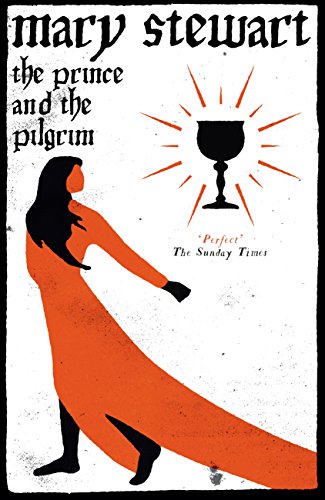
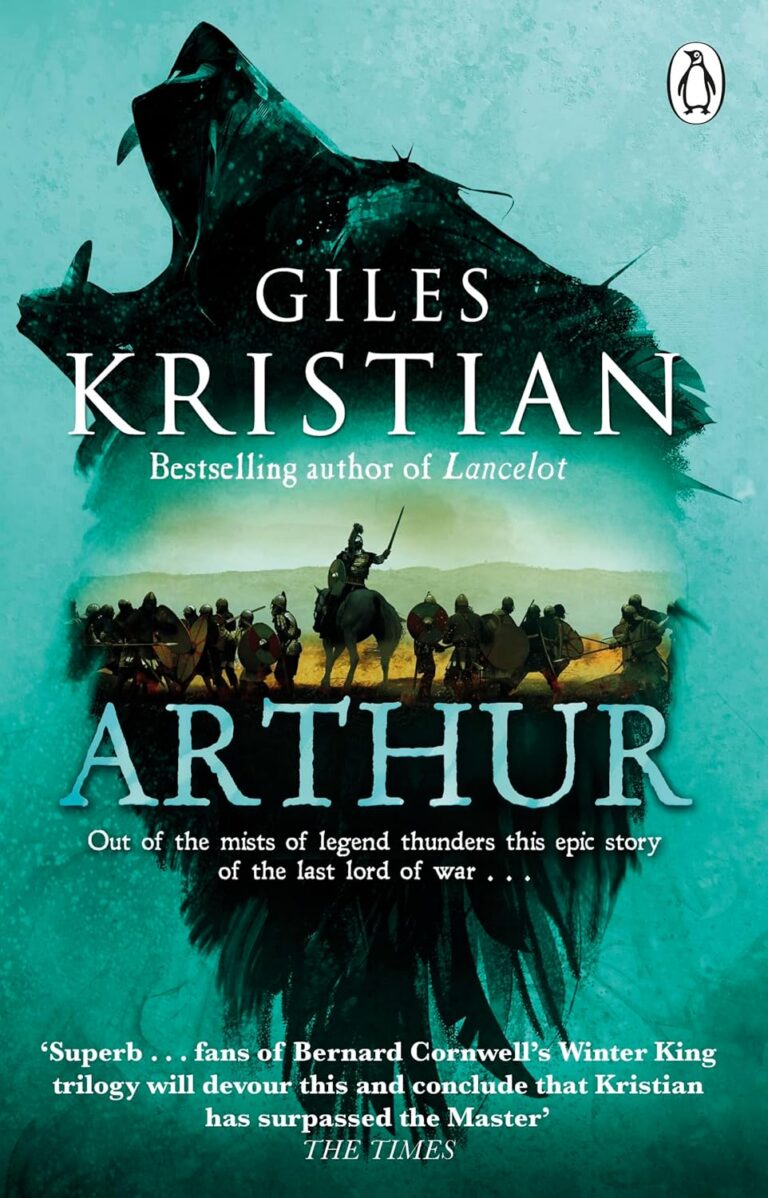
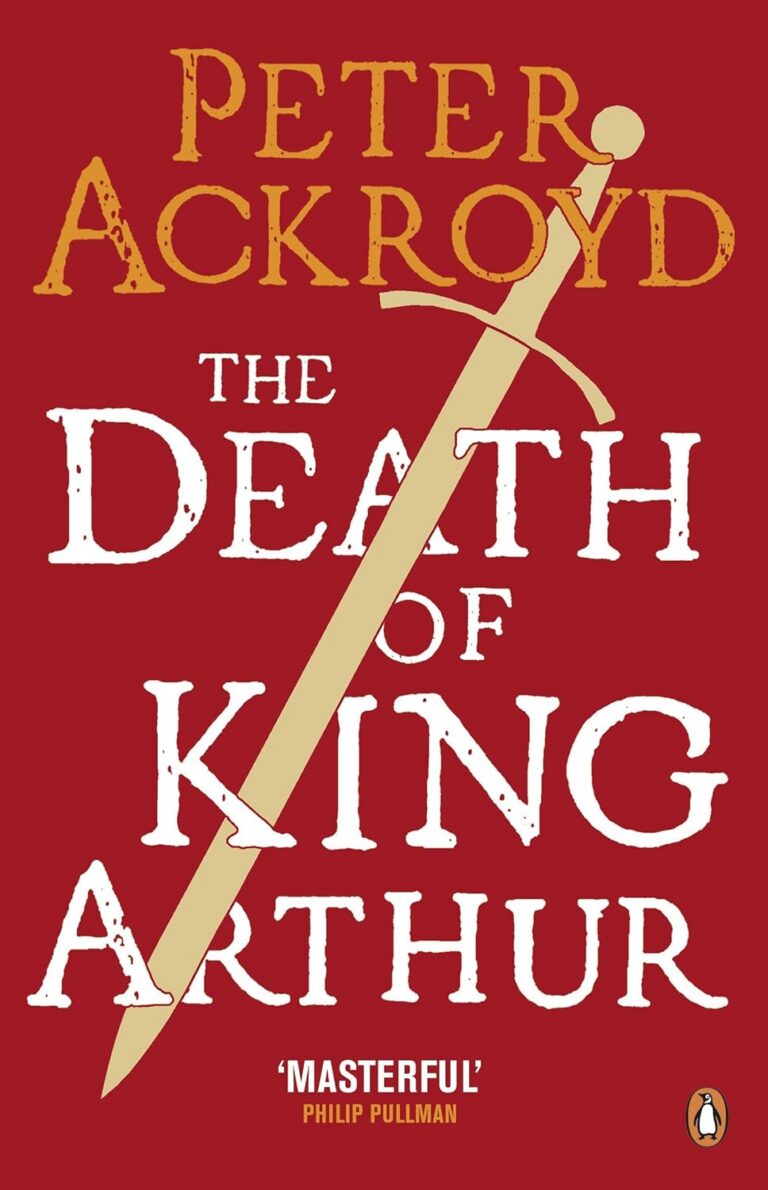
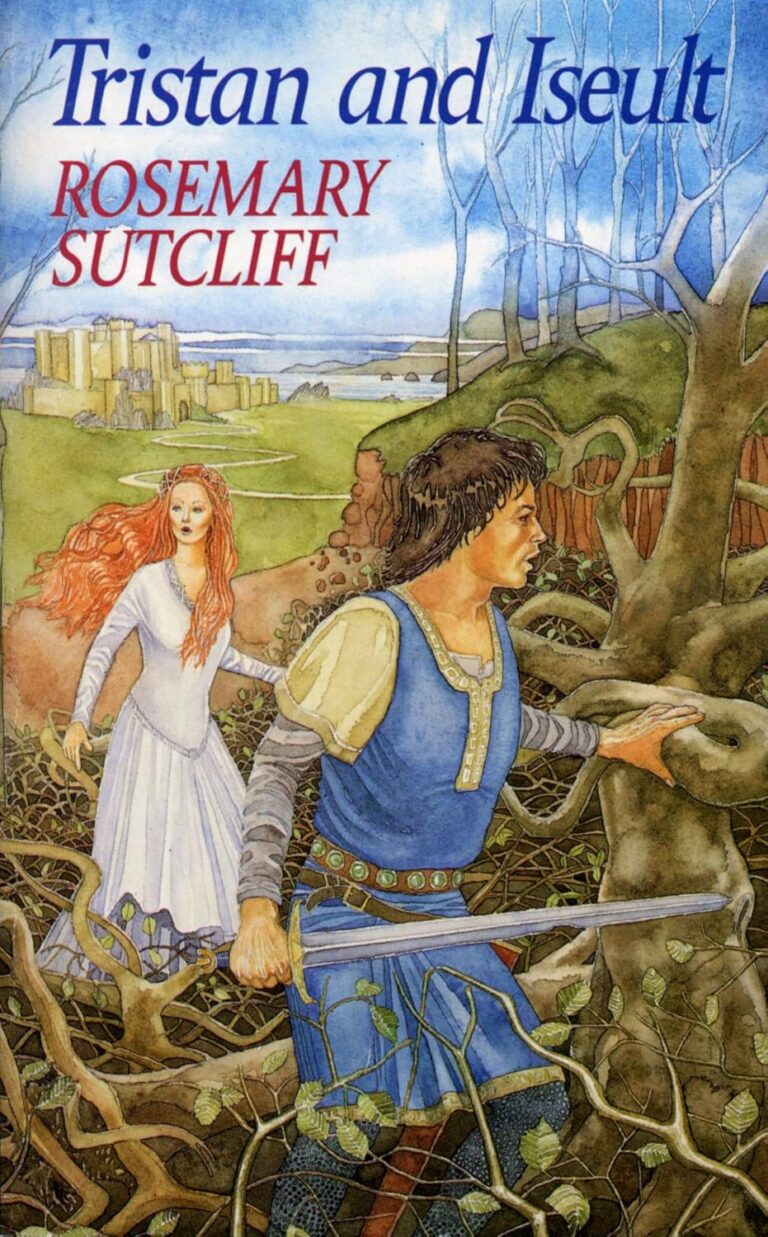
In Giles Kristian’s Arthur, Saxon pursuers and the forces of Morgana and Lord Nabor close around the fugitives as Beran encounters figures drawn from the later Arthurian tradition, including Guivret, Palamedes, Tristan and Isolde. Peter Ackroyd’s The Death of King Arthur retells Thomas Malory’s Arthurian cycle in modern prose. Arthur’s birth through Merlin’s intervention, the drawing of the sword, the establishment of Camelot and the adventures of the Round Table lead into the stories of Tristan, Lancelot and Guinevere and the knights’ search for the Holy Grail. Tristan is treated fictionally in Rosemary Sutcliff’s Tristan and Iseult and Mary Stewart’s The Prince and the Pilgrim.