Romances present Mark as ruler of Cornwall, husband of Iseult and uncle or foster-father of Tristan. The forbidden love between Tristan and Iseult places him alternately in the roles of injured husband, jealous ruler and treacherous antagonist.
The medieval romances give Mark no single fixed character. In some versions he is a legitimate ruler wronged by Tristan and Iseult; in others he becomes jealous, vindictive or treacherous, especially as the legend develops in later prose cycles. He belongs to literary and legendary tradition rather than securely documented history, and the chronology attached to him is therefore conventional rather than biographical.
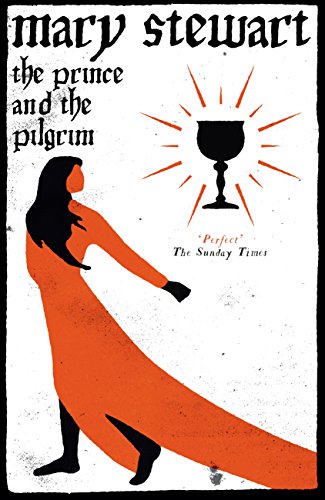
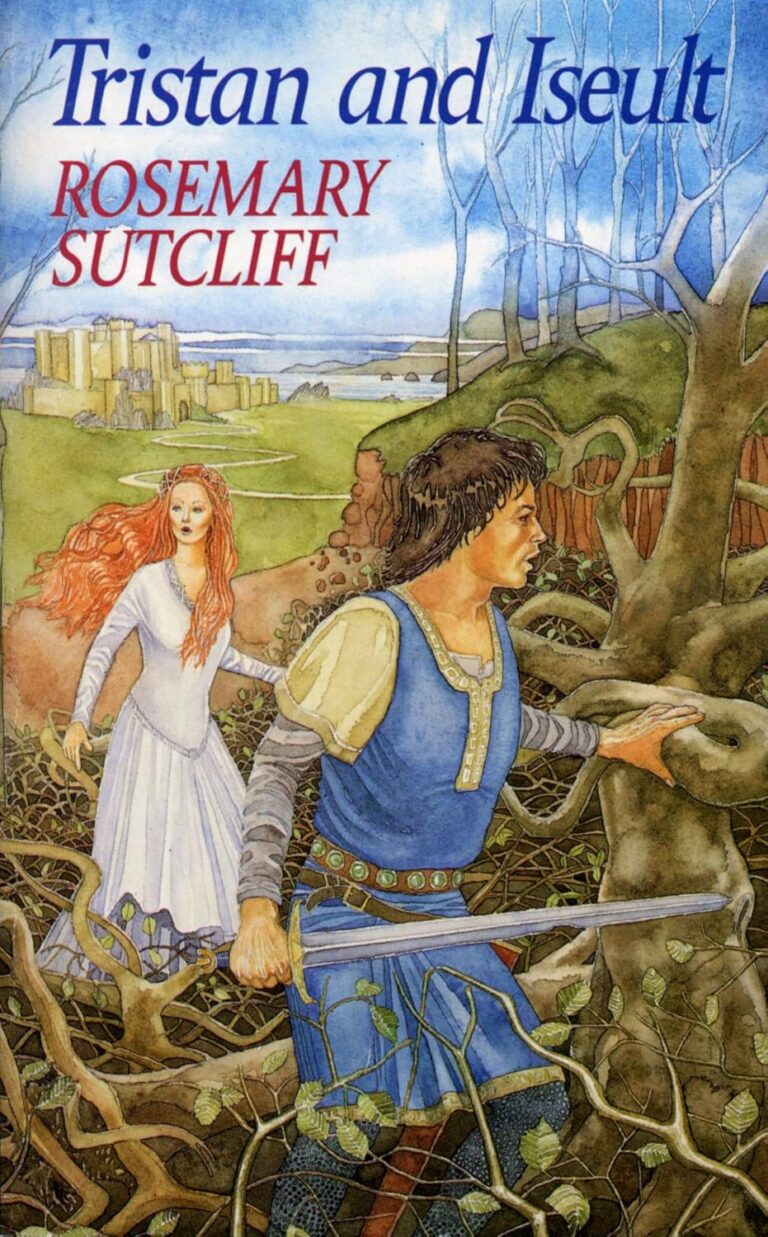
In Mary Stewart’s The Prince and the Pilgrim, Alexander, the fatherless nephew of King Mark of Cornwall, travels towards Camelot seeking justice and revenge for his father’s murder. In Rosemary Sutcliff’s Tristan and Iseult, Tristan, champion and nephew of King Mark of Cornwall, travels to Ireland and wins Iseult as a bride for his lord.