Paul Revere was a Boston silversmith, engraver and political activist who became a messenger for the patriot movement before the American Revolution. His ride on the night of 18 April 1775 warned that British troops were marching towards Lexington and Concord, although he was one of several riders.
Revere’s political importance extended beyond the famous midnight ride. As an engraver and artisan he participated in Boston’s patriot networks and helped circulate imagery connected with the Boston Massacre. After the Revolution he became a successful manufacturer, developing foundry and copper-rolling businesses that made him part of the early industrial economy of the new United States.
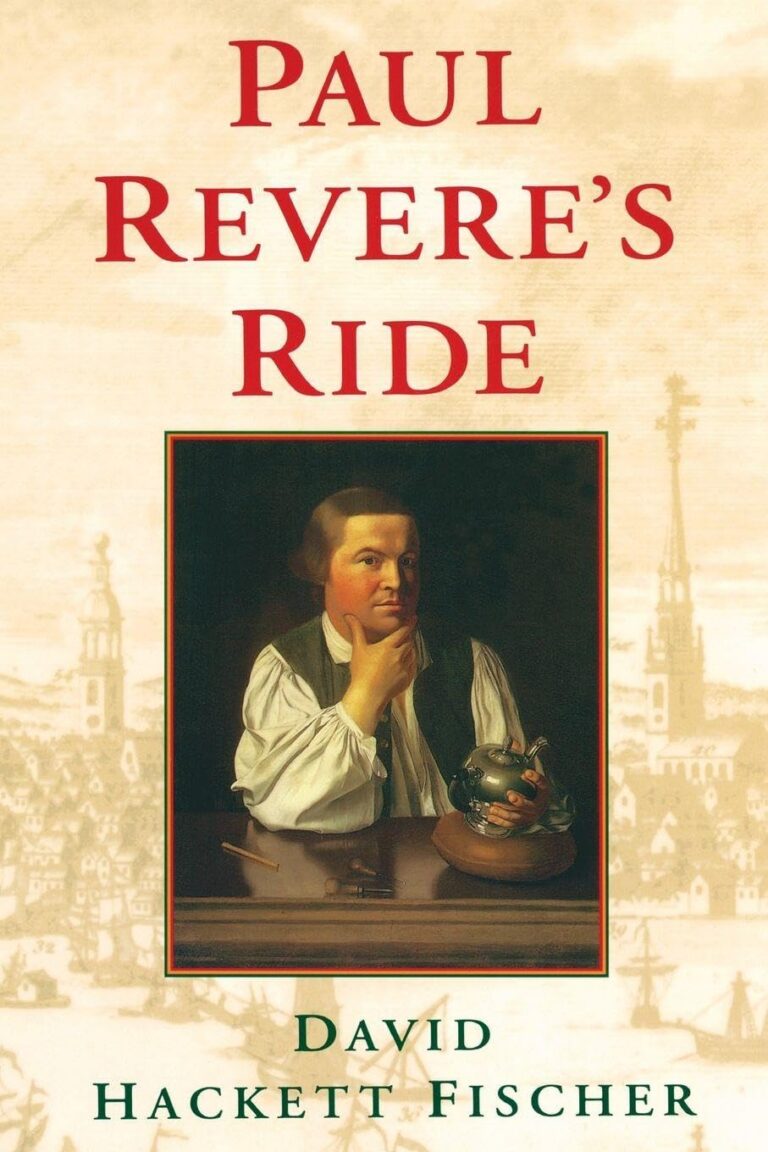
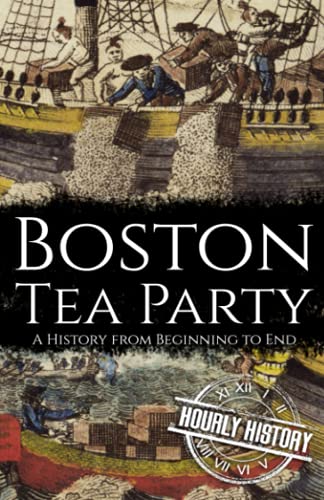
David Hackett Fischer’s Paul Revere’s Ride reconstructs Revere as an organiser inside a much larger intelligence and alarm network rather than as a solitary rider, tracing the communication system that brought Massachusetts militia to Lexington and Concord. Nathaniel Philbrick’s Bunker Hill carries Revere into the wider revolutionary crisis and treats him as a complicated participant rather than a fixed patriotic icon. Ann Rinaldi’s The Secret of Sarah Revere views his public activism from within the family, where a daughter experiences the risks and absences created by revolutionary politics. Hourly History’s Battles of Lexington and Concord places Revere’s warning ride immediately before the first fighting, while Boston Tea Party situates his activism in the resistance networks that had already been mobilising Boston against imperial policy.