Charlemagne was king of the Franks from 768, king of the Lombards from 774 and emperor from 800 until his death in 814. Through sustained warfare and dynastic rule he created a realm covering much of western and central Europe and made Aachen an important political centre.
His reign was also associated with administrative reform, church organisation and the revival of learning often called the Carolingian Renaissance. Charlemagne’s imperial coronation by Pope Leo III became a major reference point for later ideas of western Christian empire and European kingship.
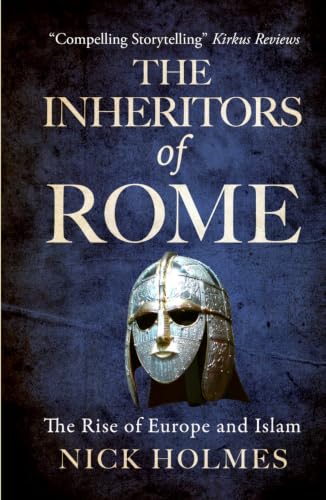
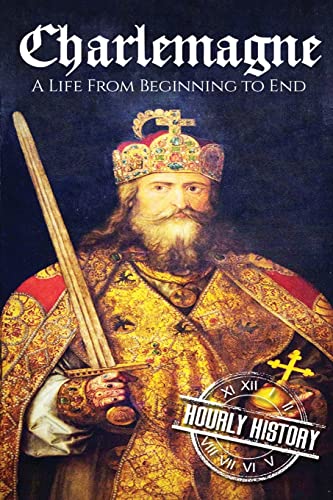
Hourly History’s Charlemagne gives the direct biographical account, following the Frankish king through the Saxon wars, conquest of the Lombards, alliance with the papacy and imperial coronation of 800. Angus Donald’s The Last Berserker looks at that expansion from the other side, with the newly crowned Karolus threatening pagan Saxon independence; The Saxon Wolf follows resistance under Widukind, and Blood of the Bear shows the later consequences of forced conversion, taxation and Frankish rule. Nick Holmes’s The Inheritors of Rome places Charlemagne within the wider reorganisation of the post-Roman world, comparing Carolingian consolidation with Byzantium and the Islamic caliphates. Together the books show both halves of his reputation: maker of a durable imperial model and conqueror whose Christian empire was built through prolonged coercive war.