Emperor Meiji was emperor of Japan from 1867 to 1912 and gave his name to the period in which the Tokugawa shogunate was replaced by a centralised imperial state. His accession coincided with the Meiji Restoration and the rapid political transformation that followed it.
During his reign Japan built modern armed forces and industries, adopted a constitution and parliament, and emerged as an imperial power after wars with China and Russia. Policy was largely shaped by senior statesmen and institutions acting in the emperor’s name rather than by Meiji personally directing government.
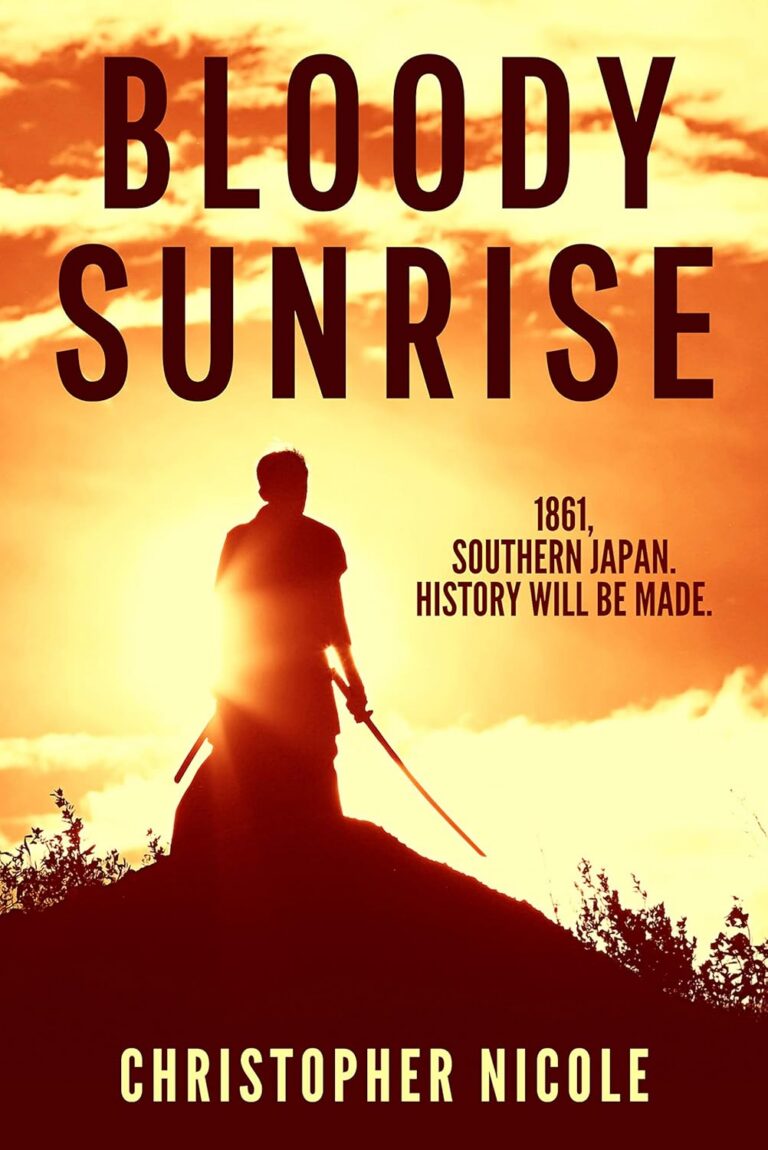
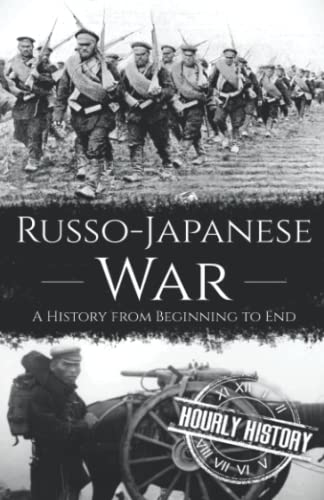
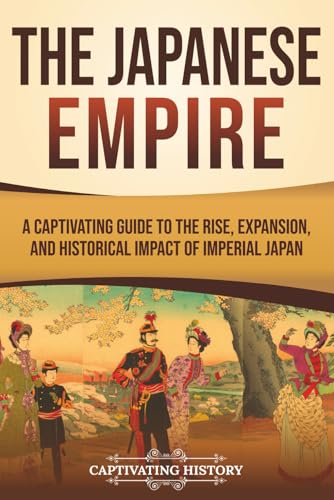
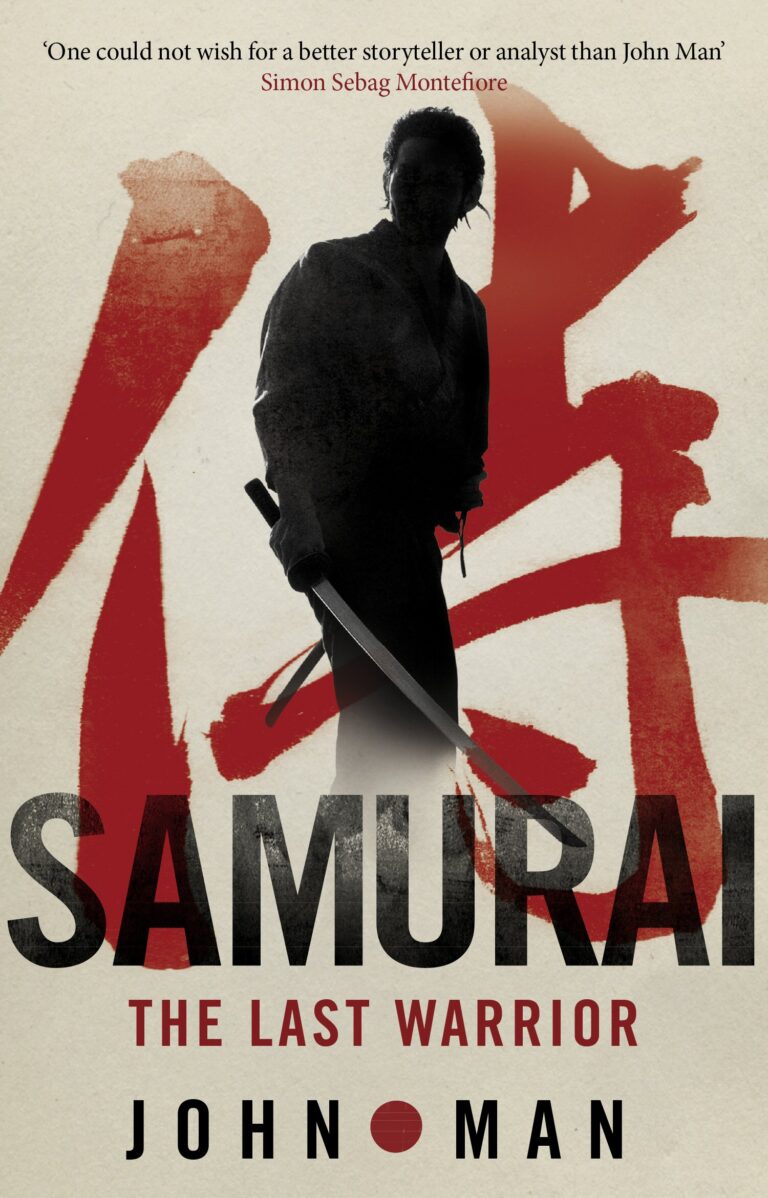
John Man’s Samurai approaches Emperor Meiji through Saigō Takamori and the overthrow of the Tokugawa shogunate, showing how imperial restoration became the political banner for a revolution that transformed the samurai order. Captivating History’s The Japanese Empire follows the state built in Meiji’s name from rapid industrialisation into overseas expansion. Christopher Nicole’s Bloody Sunrise places Western visitors in Japan during the violent final years of the shogunate, when imperial loyalism and anti-foreign politics are reshaping the country around the young emperor. Hourly History’s Russo-Japanese War examines the conflict fought near the end of Meiji’s reign, when the modernised imperial state defeated Russia over Korea and Manchuria.