Maximilian I was a Habsburg ruler and Holy Roman Emperor whose dynastic policies transformed the political map of Europe. Born in 1459, he married Mary of Burgundy in 1477 and thereby gained a claim to the wealthy Burgundian Netherlands. After Mary’s death in 1482, he fought to preserve that inheritance for their children Philip and Margaret against French pressure and resistance within the Low Countries.
Elected King of the Romans in 1486 and emperor in 1508, Maximilian pursued military campaigns in Italy, against France and on the Empire’s frontiers while also supporting administrative and legal reforms. His famous marriage diplomacy was no substitute for war but greatly expanded Habsburg prospects: the marriages of his descendants connected the dynasty to Spain, Bohemia and Hungary. His own unrealised proxy marriage to Anne of Brittany also became part of Franco-Habsburg rivalry. Maximilian died in 1519.
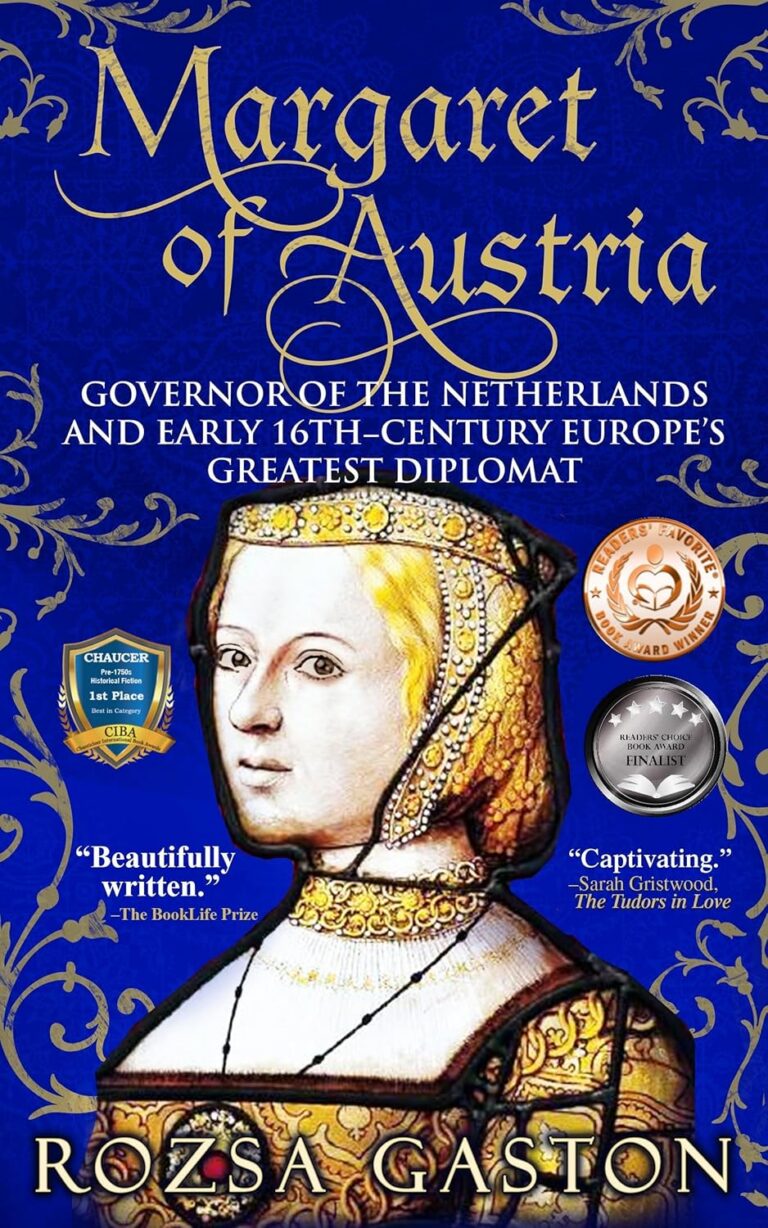
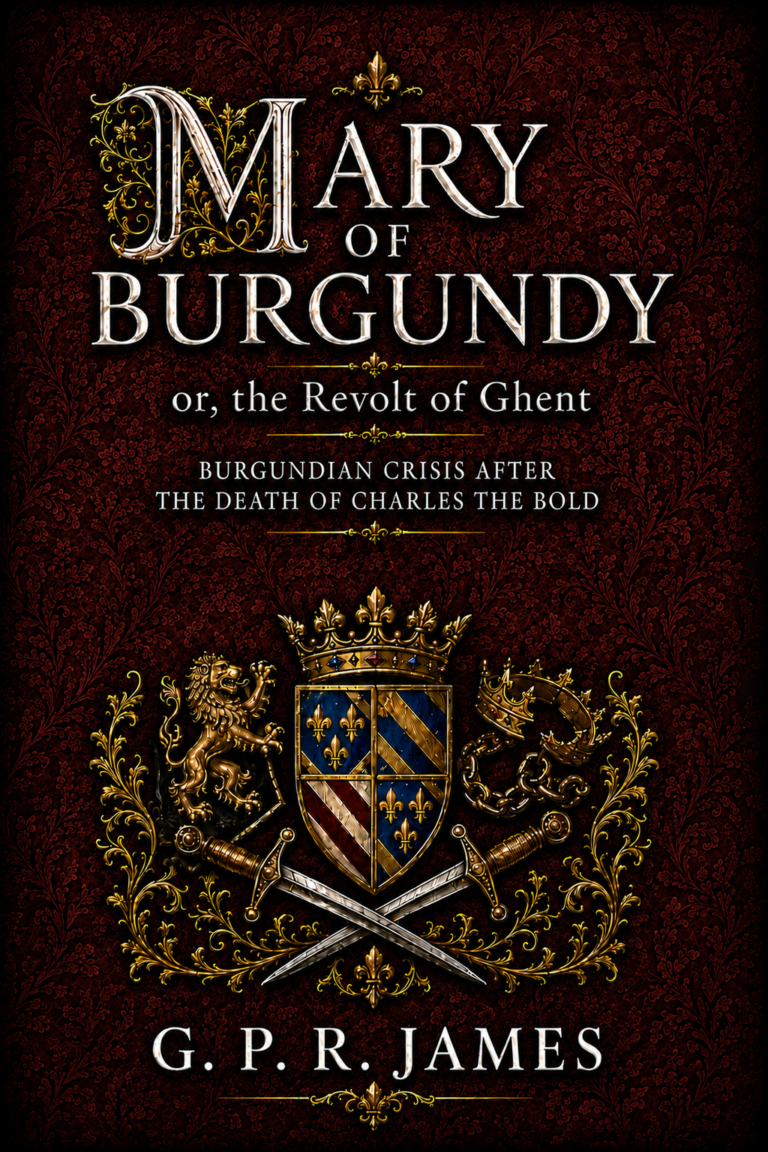
Rozsa Gaston’s Mary of Burgundy; or, the Revolt of Ghent reaches Maximilian I as the Habsburg bridegroom whose marriage offers Mary of Burgundy military and dynastic support after her father’s death. Margaret of Austria follows their daughter through the marriage diplomacy created by Mary’s inheritance and Maximilian’s ambitions, while Anne and Charles shows the older emperor arranging and defending Habsburg interests through the next generation, including the political education of his grandson Charles.