Mary inherited the Burgundian territories after the death of her father, Charles the Bold, in 1477. Facing French pressure and demands from her own subjects, she confirmed extensive privileges before marrying Maximilian of Habsburg.
Her early death after a riding accident left their young children, Philip and Margaret, at the centre of a contested inheritance. Historical treatment should recognise Mary as a ruler confronting severe institutional and military pressures, not merely as a dynastic bride.
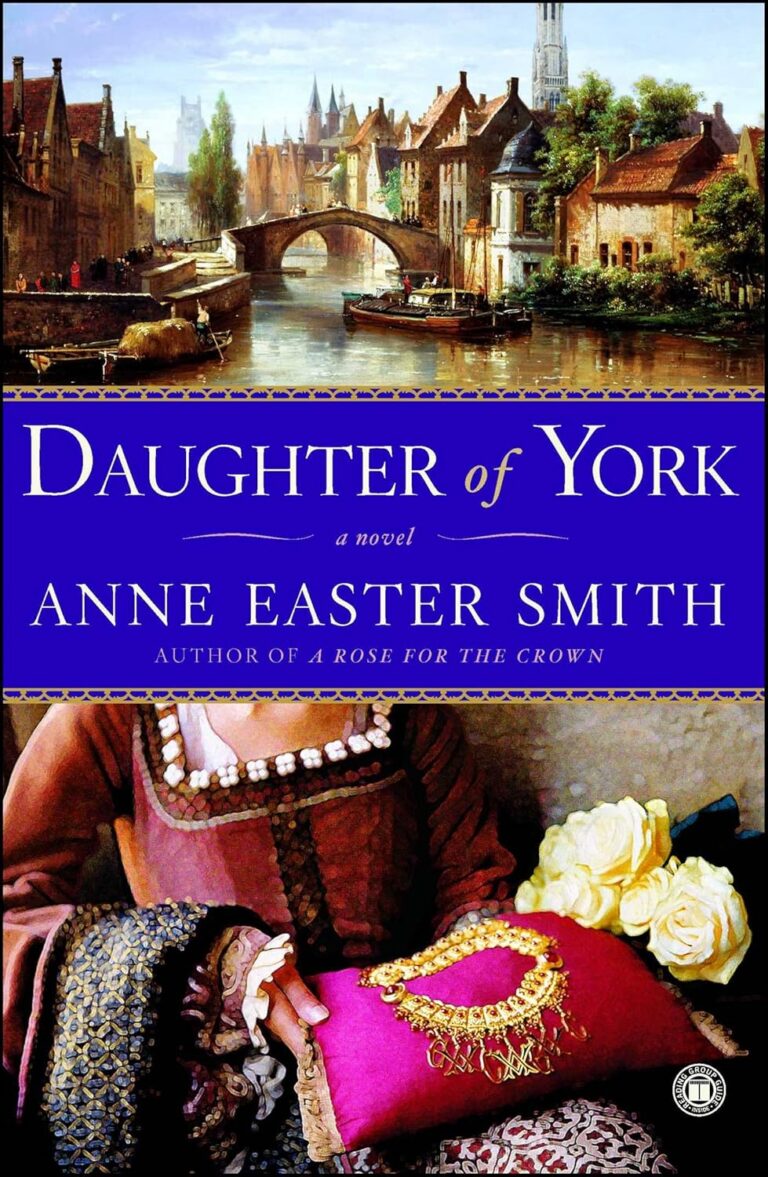
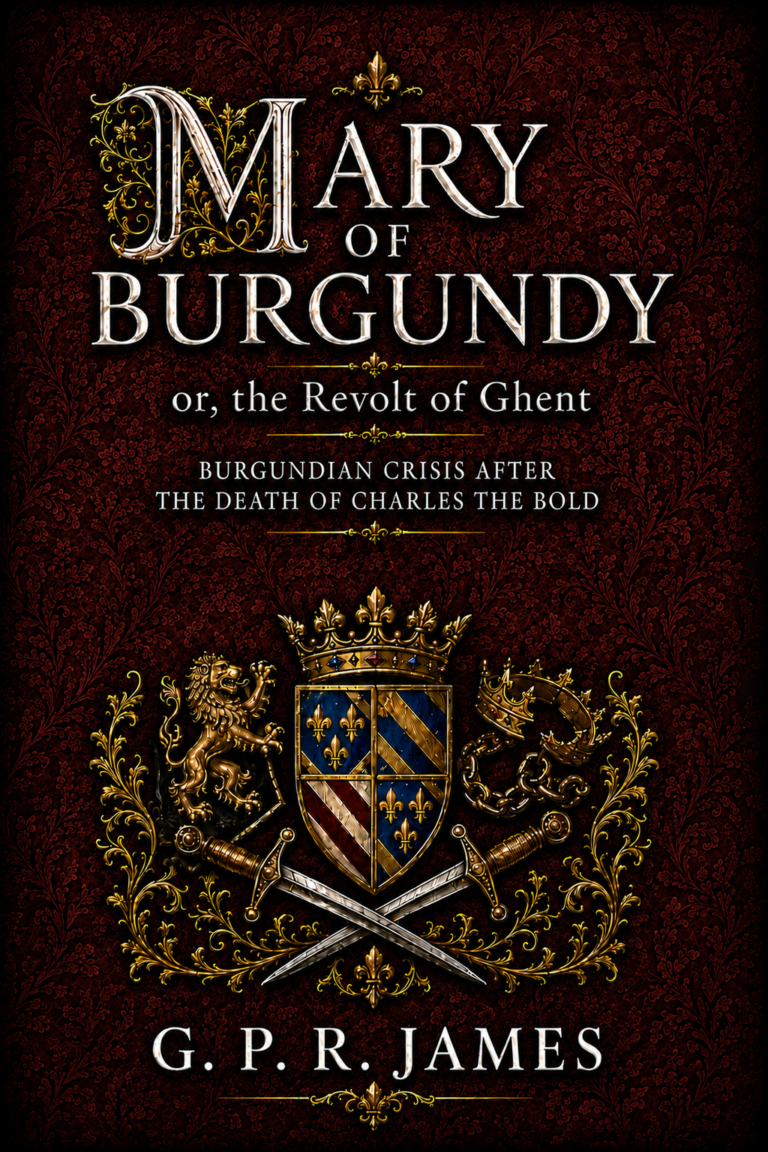
G. P. R. James’ Mary of Burgundy; or, the Revolt of Ghent begins with Charles the Bold’s death in 1477 and makes Mary’s inheritance, the demands of the Flemish cities and the threat from France the political heart of the story. Anne Easter Smith’s Daughter of York reaches Mary through her stepmother Margaret of York, whose Burgundian marriage places her in the young heiress’s court and makes Mary’s future central to Yorkist diplomacy. Rozsa Gaston’s Margaret of Austria follows Mary as the mother whose early death leaves her daughter Margaret to be used in Habsburg marriage diplomacy, linking Mary’s Burgundian inheritance to the next generation of European politics.