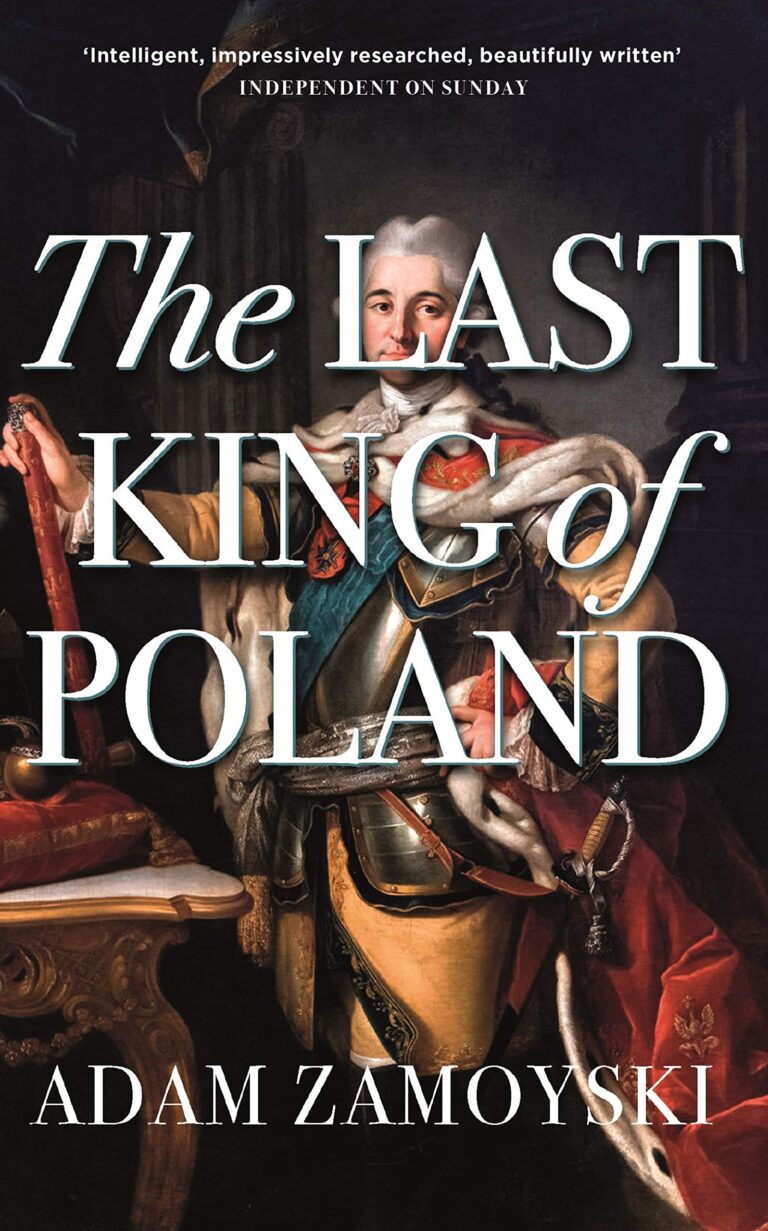
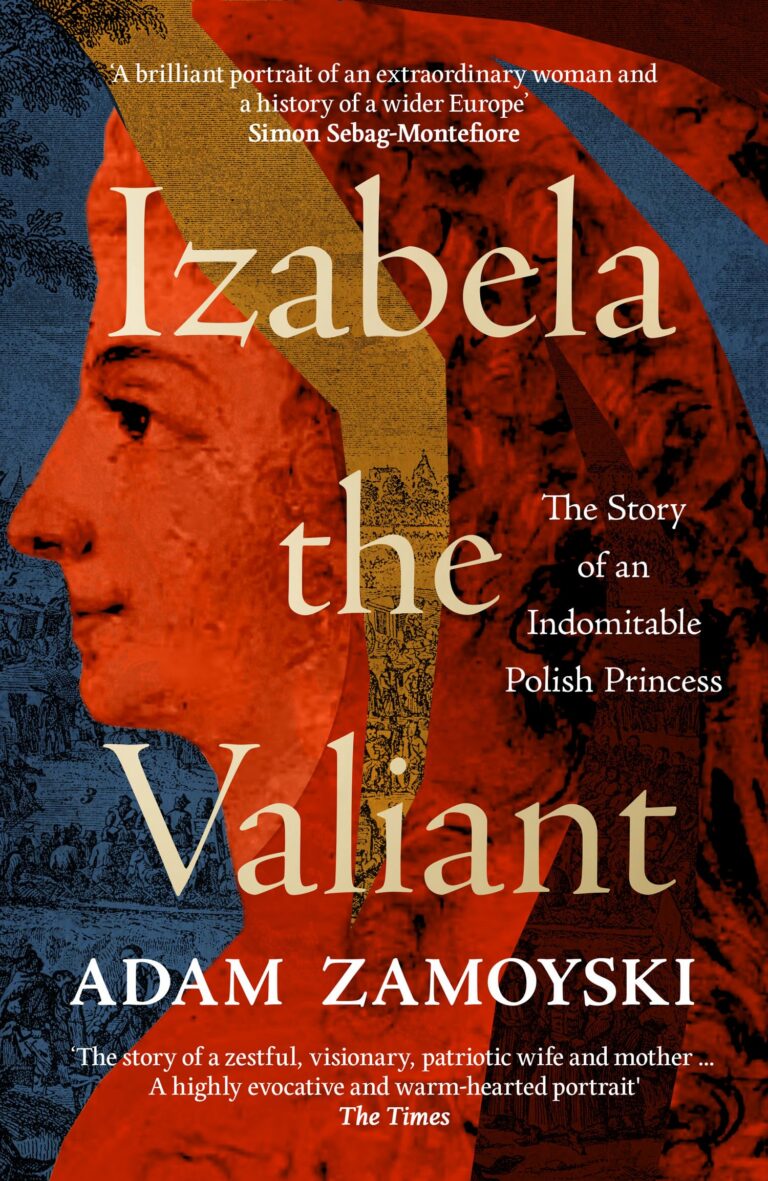
Books

As an Amazon Associate I earn from qualifying purchases. Affiliate disclosure.
Period
1569–1795 CE
The Union of Lublin in 1569 created a federated Commonwealth joining the Kingdom of Poland and the Grand Duchy of Lithuania under an elected monarch and a shared parliament. Its territories included much of present-day Poland, Lithuania, Belarus and Ukraine and contained Polish, Lithuanian, Ruthenian, Jewish, Armenian, German, Tatar and other communities.
The political system gave extensive privileges to the nobility while limiting central royal authority. Religious diversity, large estates and regional legal traditions coexisted with severe social inequalities, particularly for peasants and subject communities. The Commonwealth fought repeated wars with Muscovy, Sweden, the Ottoman Empire, Crimean Tatars and internal rebels.
It provides the parent setting for Sienkiewicz’s Trilogy and On the Field of Glory.
Books
Non-Fiction
Histories, biographies and reference works are listed separately from the historical novels above.