Historical person
Catherine the Great
1729–1796
Catherine II, known as Catherine the Great, was born Sophie Friederike Auguste of Anhalt-Zerbst at Stettin in 1729. Brought to Russia as a prospective bride for the future Peter III, she converted to Orthodoxy, took the name Catherine Alekseyevna and married him in 1745. When Peter became emperor in 1762, his short and unpopular reign ended in a guards-backed coup that placed Catherine on the throne. She then ruled the Russian Empire for thirty-four years.
Catherine corresponded with Enlightenment thinkers and sponsored legal, educational and administrative projects, but her reign combined reforming language with autocratic government and an expansion of noble privilege. Russia fought successful wars against the Ottoman Empire, annexed Crimea in 1783 and participated in the partitions that erased the Polish–Lithuanian Commonwealth from the map. The Pugachev rebellion exposed tensions within a society still dependent on serfdom. Catherine died at St Petersburg in 1796 and was succeeded by her son Paul.
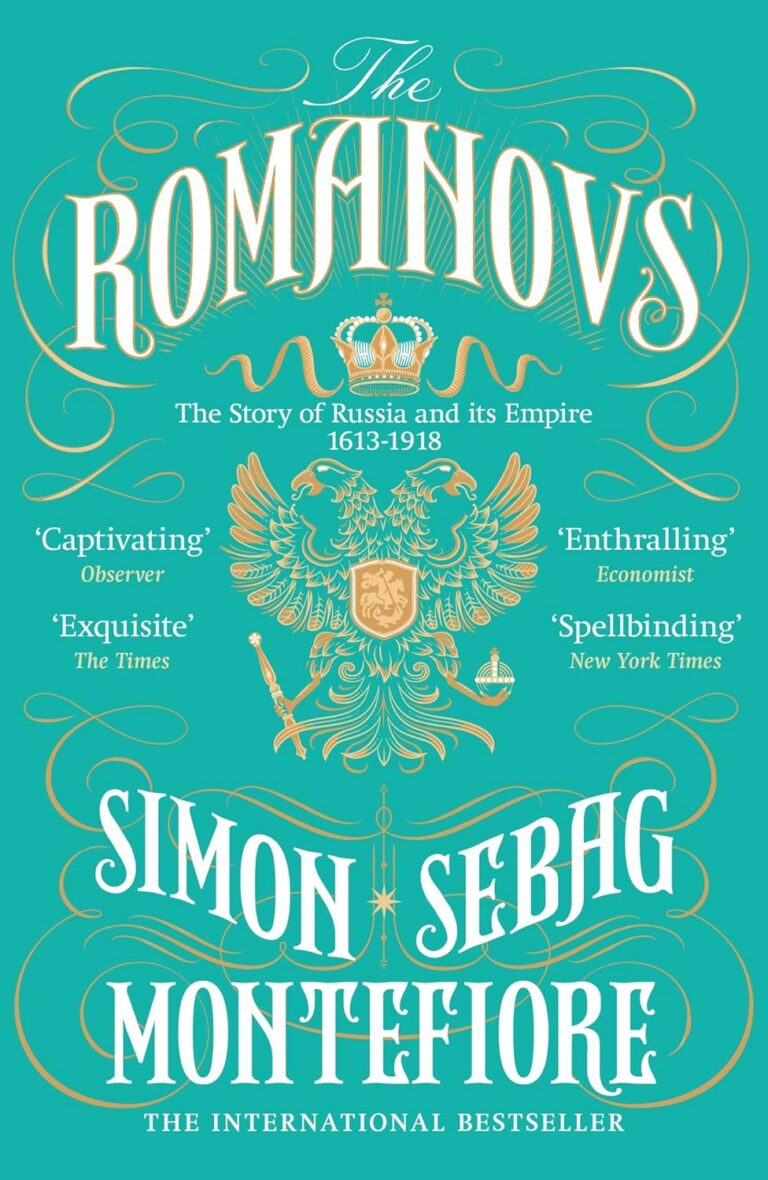
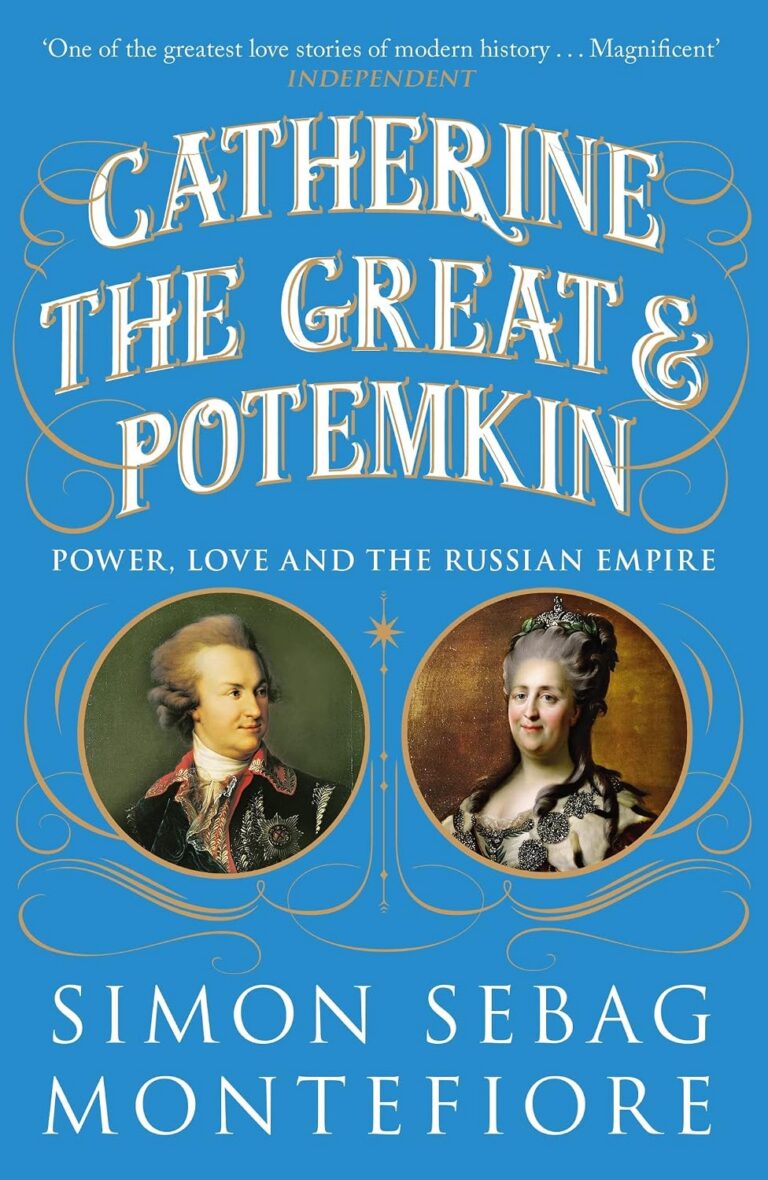
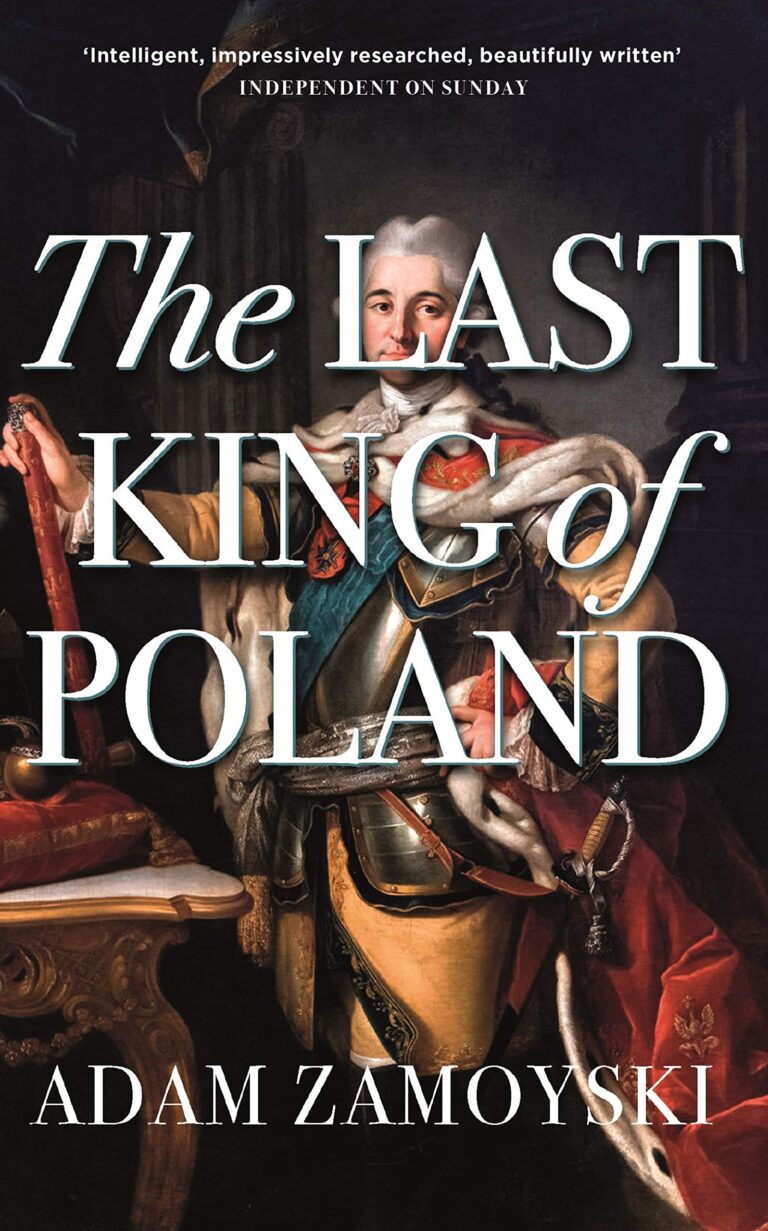
Simon Sebag Montefiore’s Catherine the Great and Potemkin concentrates on her political and personal partnership with Grigory Potemkin, while Adam Zamoyski’s The Last King of Poland examines Russian power over Stanisław August Poniatowski and the partitions of Poland. The Romanovs, Russian Empire and Antonia Fraser’s The Warrior Queens place her in broader imperial and female-rulership history. Edward Rutherfurd’s Russka uses Catherine’s age within a long fictional panorama of Russian society.
Periods
Periods linked to Catherine the Great
Standalone books
Standalone books featuring Catherine the Great (1 book)
Non Fiction
Non Fiction featuring Catherine the Great (5 books)
Biographies, histories and other non-fiction are listed separately from the historical novels above.