c. 524–c. 459 BCE
Themistocles was an Athenian statesman and strategist who promoted the naval power that proved decisive during the Persian invasion. He persuaded Athens to use silver revenue to build a fleet and helped direct the Greek victory at Salamis in 480 BC.
After the war political rivalry led to his ostracism, and later accusations of treason forced him into exile. He ultimately entered Persian service and governed Magnesia under the king he had once resisted. His final service to Persia creates a complex ending that resists a simple patriotic hero narrative.
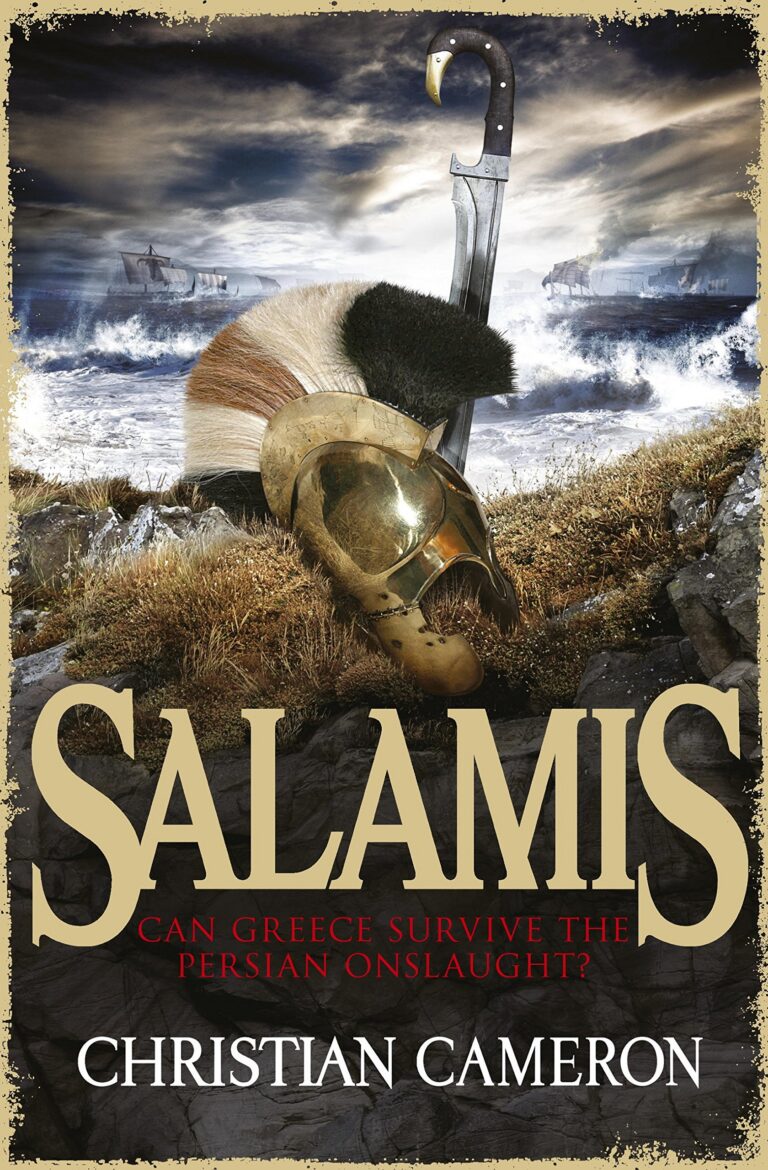
In Plutarch’s The Rise and Fall of Athens, this Plutarch collection gives biographical sources for Athens from legendary Theseus through Solon, Themistocles, Aristides, Cimon, Pericles, Nicias, Alcibiades and Lysander. In Conn Iggulden’s Protector, with Athens evacuated and the Persian army advancing, Themistocles must persuade suspicious Greek allies to commit their fleets to a decisive battle in the narrow waters of Salamis. Victory at sea does not end the invasion: Mardonius remains in Greece with a powerful army, and Athens must cooperate with Sparta despite bitter political divisions. Further fictional perspectives on Themistocles can be found in Christian Cameron’s Marathon, Christian Cameron’s Salamis, Christian Cameron’s Treason of Sparta, Conn Iggulden’s The Gates of Athens, and Conn Iggulden’s Lion.