Alcibiades was an Athenian statesman and general whose changing loyalties made him one of the most controversial figures of the Peloponnesian War. He promoted the Sicilian Expedition, fled Athens after being recalled for trial, advised Sparta and later sought Persian support before returning to Athenian command and winning victories at Abydos and Cyzicus.
After returning to Athenian service in 411 BCE, Alcibiades helped restore Athenian fortunes in the Hellespont, but he again lost command after a subordinate was defeated at Notium. He withdrew to Thrace and was later killed in Phrygia, probably in 404 BCE. Ancient writers treated his brilliance, ambition and instability as emblematic of the political volatility of late fifth-century Athens.
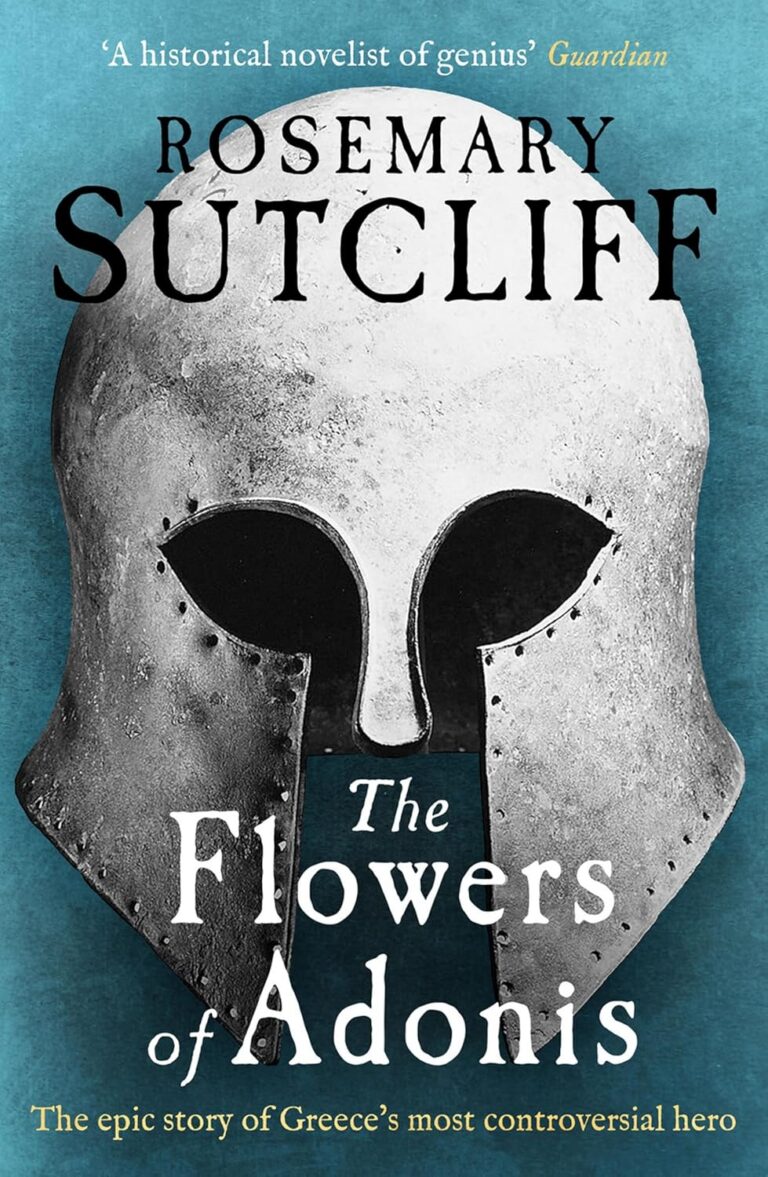
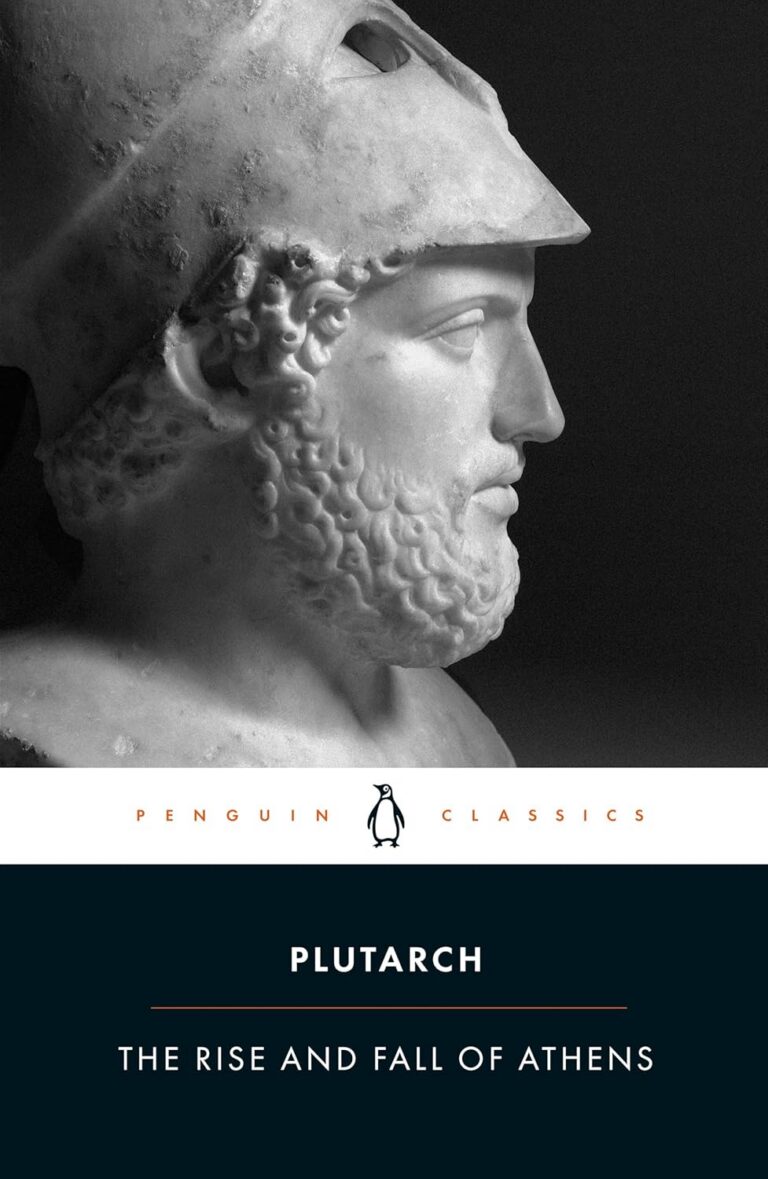
Rosemary Sutcliff’s The Flowers of Adonis presents Alcibiades as the brilliant, charismatic and distrusted Athenian whose career is inseparable from the Sicilian Expedition and the city’s political divisions. Steven Pressfield’s Tides of War makes his shifting loyalties—to Athens, Sparta and the Persian court—the central thread in a story about ambition and the Peloponnesian War. Gordon Doherty’s Assassin's Creed: Odyssey uses Alcibiades as a recognisable political operator in wartime Athens, while Plutarch’s The Rise and Fall of Athens supplies the ancient biographical tradition against which these fictional versions can be compared.