Socrates was an Athenian philosopher whose questioning method and trial became central to the history of Western thought. Known through writers such as Plato and Xenophon, he was executed in 399 BC after being convicted of impiety and corrupting the youth.
Socrates wrote no philosophical works himself, so his ideas are reconstructed chiefly from Plato, Xenophon and the comic playwright Aristophanes. He became known for persistent questioning of definitions and claims to knowledge and for insisting that ethical examination mattered more than wealth or reputation. At his trial in 399 BC he refused to abandon his way of life and accepted the death sentence imposed by the Athenian jury.
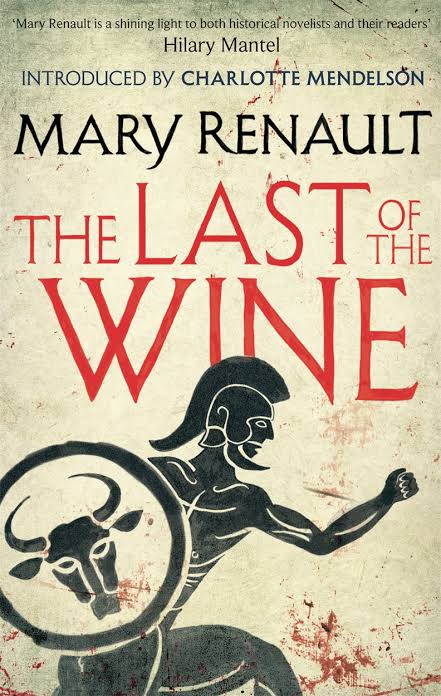
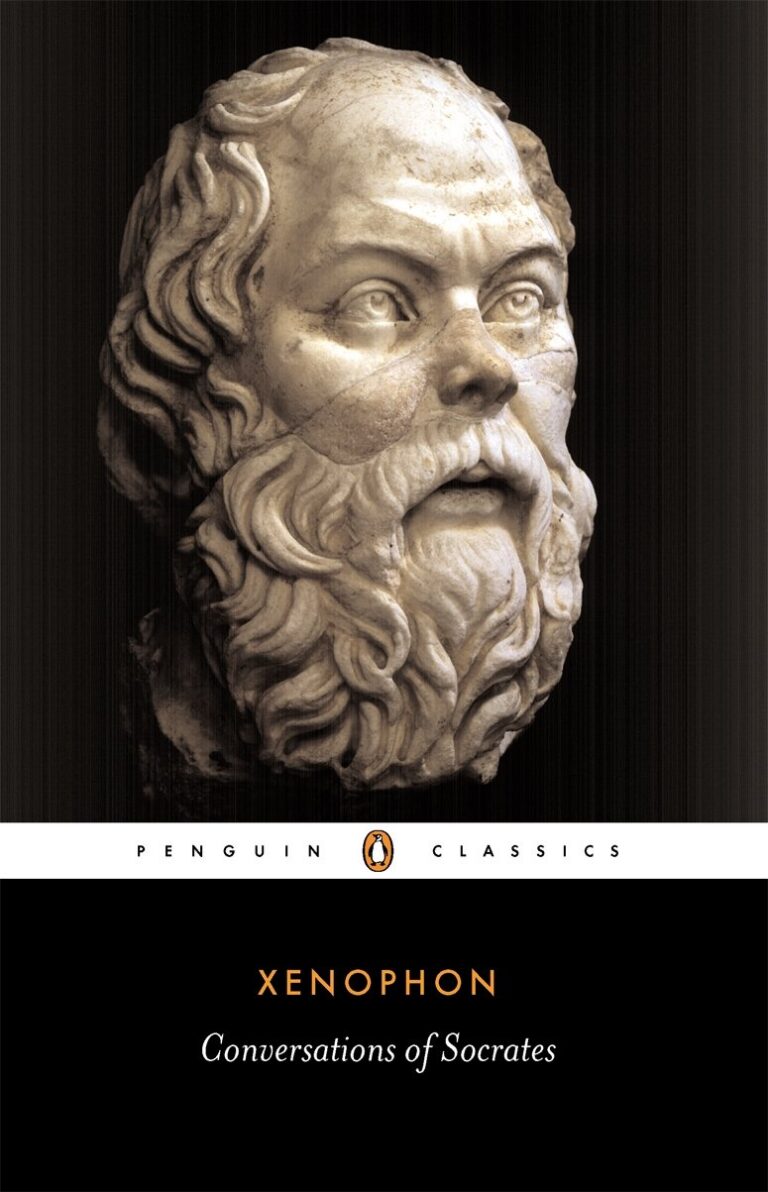
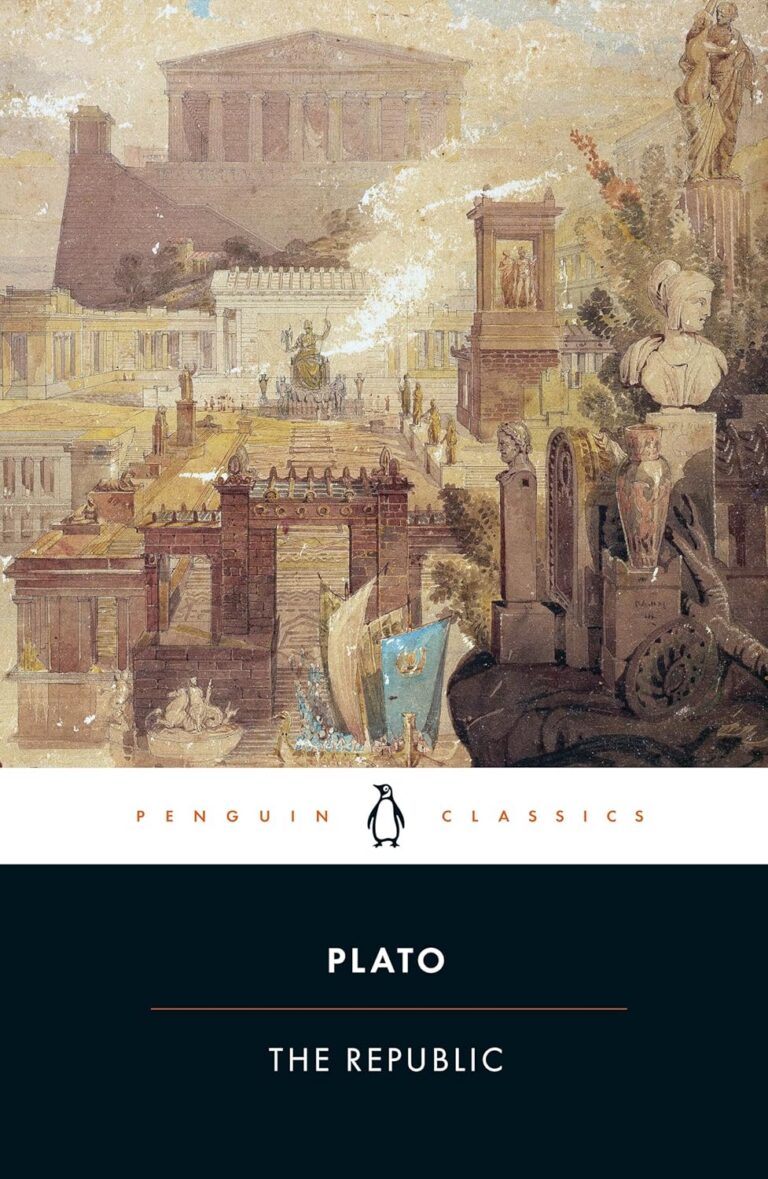
Plato’s The Republic is a Socratic dialogue in which Socrates and his interlocutors try to define justice in the individual and in the city. In Plato’s Symposium, Plato’s Symposium turns a drinking party into a sequence of speeches on love, beauty and philosophical ascent. Socrates’ account of Diotima’s teaching gives the dialogue its central movement from erotic desire to the contemplation of beauty itself, while the arrival of Alcibiades returns philosophy to the politics and personalities of Athens. Further fictional perspectives on Socrates can be found in Mary Renault’s The Last of the Wine. For broader historical treatment of Socrates, see Xenophon’s Conversations of Socrates, Plato’s Theaetetus, Plato’s The Last Days of Socrates, and Plato’s Gorgias.