Historical person
Romulus
Romulus was the legendary founder and first king of Rome. According to Roman tradition, he and his twin brother Remus were sons of the god Mars and Rhea Silvia, a princess of Alba Longa. Abandoned beside the River Tiber, they were rescued by a she-wolf and later raised by the shepherd Faustulus. After overthrowing the ruler who had displaced their grandfather, the brothers decided to establish a new settlement near the place where they had been found. A dispute over divine signs, authority and the position of the city ended with the death of Remus, leaving Romulus as sole founder of Rome.
Tradition dated the foundation of Rome to 753 BCE and associated Romulus with many of the city’s earliest political and religious institutions. He was said to have fortified the Palatine Hill, established a sanctuary for fugitives, divided the population into tribes and curiae, and selected a council of leading men who became the first Roman Senate. Because the new settlement lacked women, Romulus arranged the abduction of women from the neighbouring Sabine communities. The resulting war ended when the Sabine women intervened between their Roman husbands and Sabine relatives, leading the two peoples to unite under Romulus and the Sabine king Titus Tatius. Romulus was also credited with leading Rome’s earliest wars against neighbouring Latin, Sabine and Etruscan communities. Later tradition claimed that he disappeared during a storm or supernatural darkness while reviewing his army. Some accounts suggested that he had been murdered by senators, while the official legend held that he had been taken up among the gods and worshipped as Quirinus. His story therefore connected the foundation of Rome with recurring Roman themes: fratricide, conquest, the absorption of outsiders, military authority and the transformation of violence into civic order.
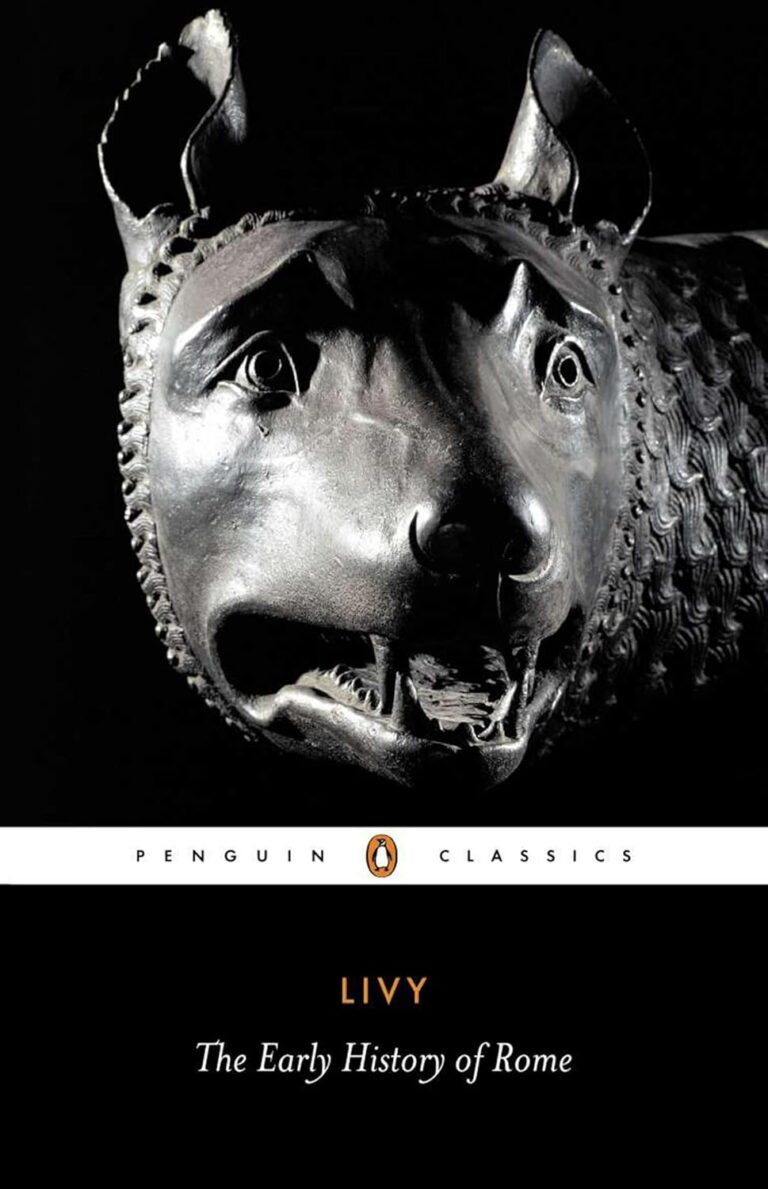
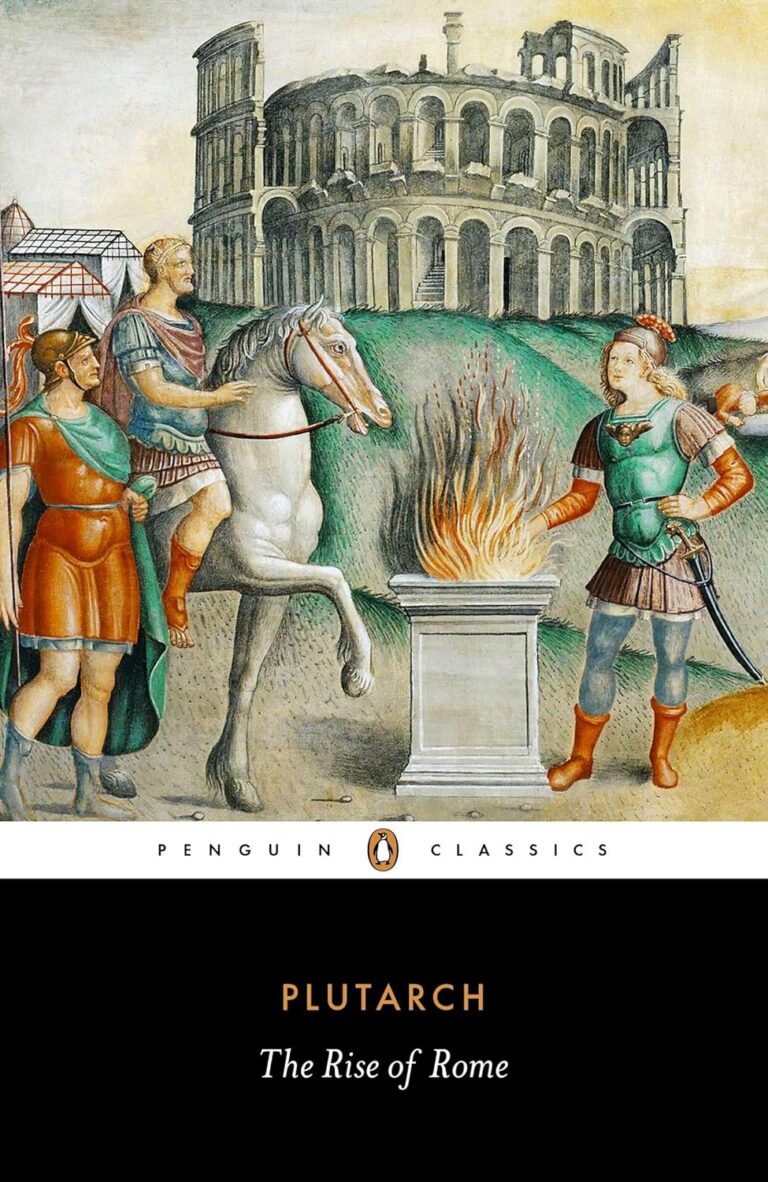
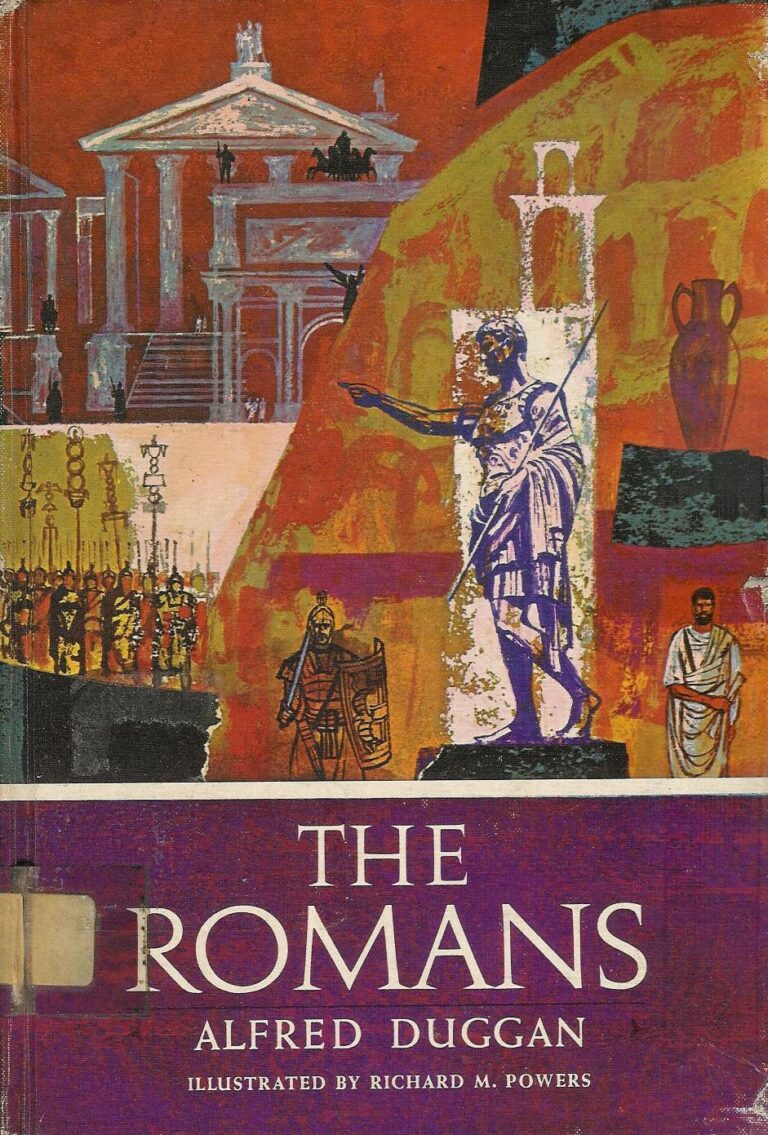
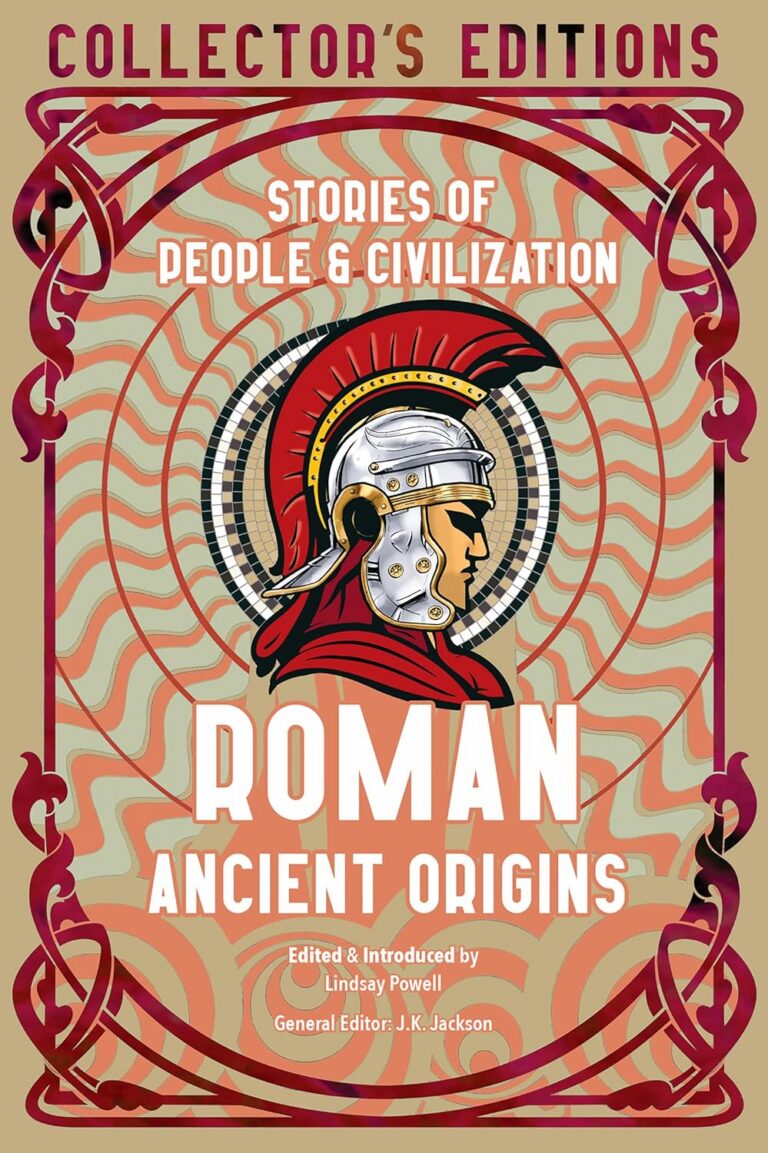
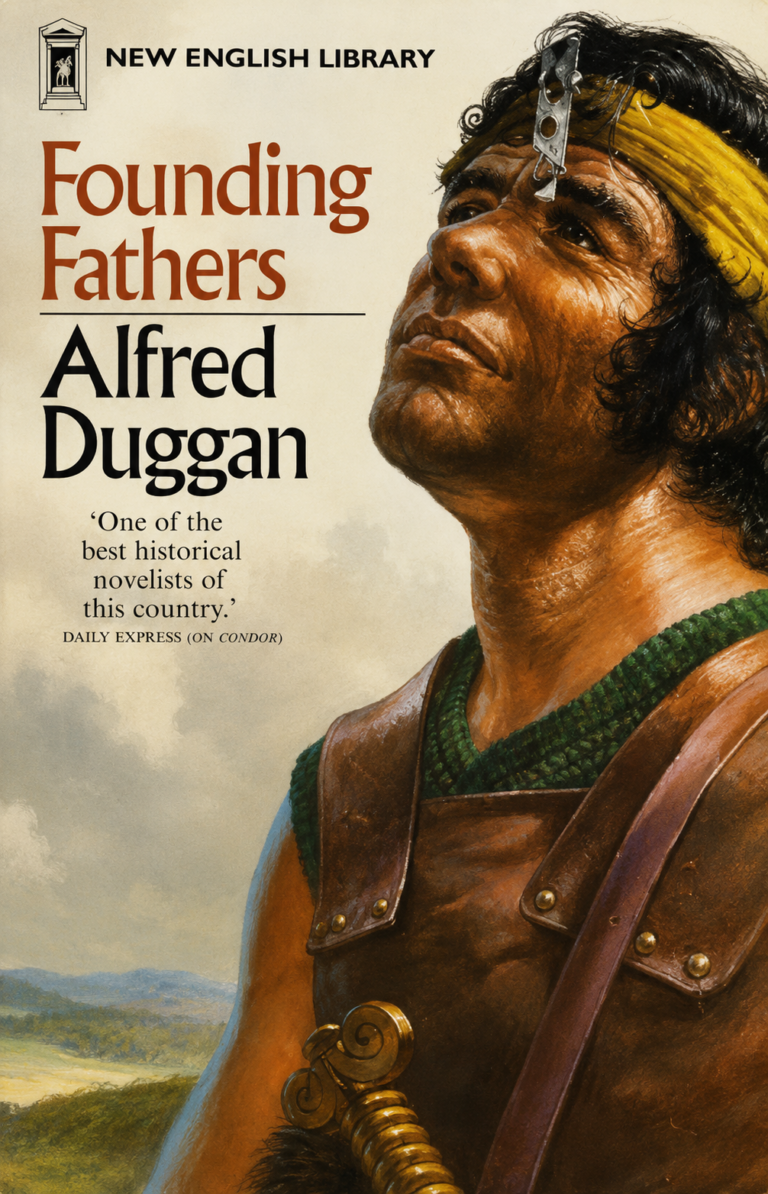
Alfred Duggan’s Founding Fathers turns the Romulus and Remus legend into a political foundation story, following the brothers’ rivalry, Remus’s death, the seizure of the Sabine women and Romulus’s effort to weld migrants and defeated neighbours into a new Roman community. Livy’s History of Rome and The Rise of Rome preserve the classical narrative on which much later retelling depends, presenting Romulus as founder, king, lawgiver and eventually the divinised Quirinus while openly mixing legend with moral history. Roman Ancient Origins uses Romulus as the traditional starting point for a much wider survey of Roman institutions and expansion. Alfred Duggan’s The Romans likewise begins with the legendary settlement before tracing the political forms that later Romans believed had grown from the city’s violent beginnings.
Standalone books
Standalone books featuring Romulus (1 book)
Non Fiction
Non Fiction featuring Romulus (4 books)
Biographies, histories and other non-fiction are listed separately from the historical novels above.