Historical person
Plutarch
c. 46–after 119 CE
Plutarch was a Greek biographer, essayist and Platonist philosopher from Chaeronea in Boeotia, born around the middle of the first century CE. Educated in philosophy at Athens, he travelled widely and maintained contacts with members of the Roman elite while remaining deeply attached to his home city. He also served for many years as a priest at Delphi, where his religious interests and civic responsibilities informed much of his writing.
Plutarch’s best-known work, the Parallel Lives, pairs prominent Greek and Roman statesmen and generals to examine character, moral choice and political leadership rather than to provide modern critical biography. His Moralia comprise essays and dialogues on ethics, religion, education, politics, natural questions and literary criticism. Although he wrote under Roman rule, Plutarch sought to preserve and interpret Greek cultural traditions for a cosmopolitan readership. He probably died sometime after 119 CE.
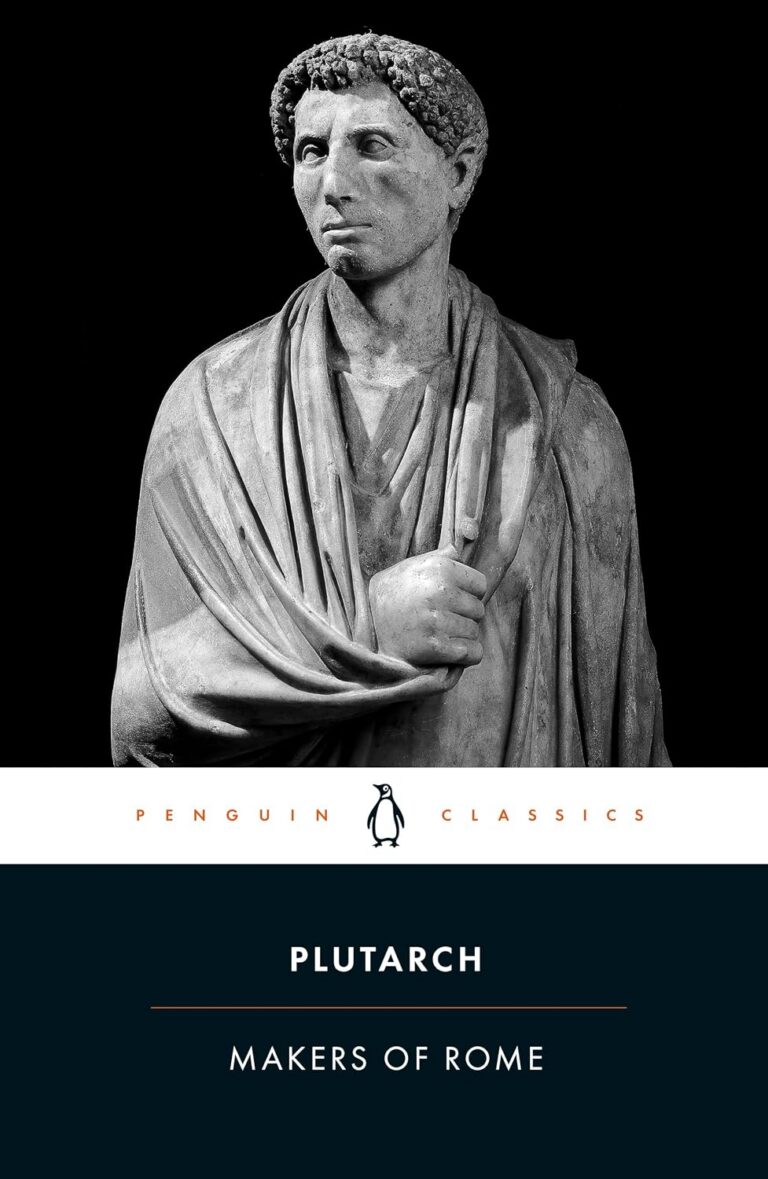
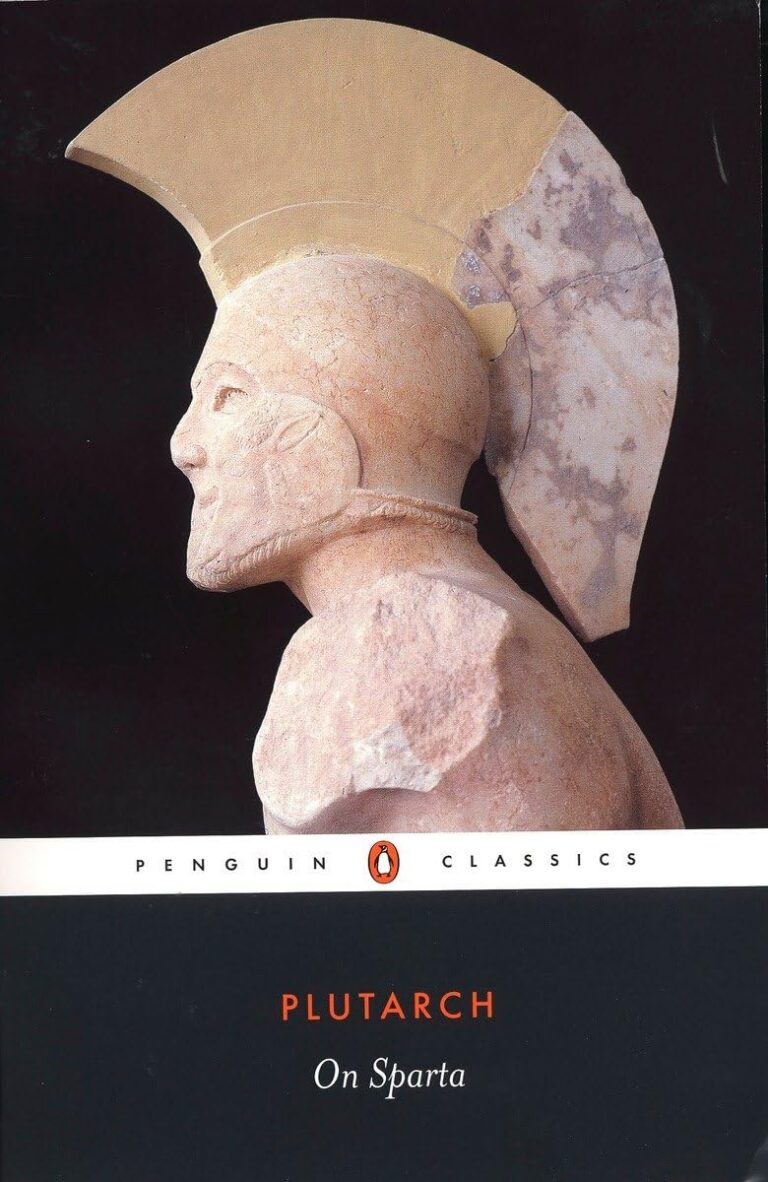
In Plutarch’s The Age of Alexander, this Plutarch selection collects Greek lives from the world before, during and after Alexander’s rise. In Plutarch’s The Rise and Fall of Athens, this Plutarch collection gives biographical sources for Athens from legendary Theseus through Solon, Themistocles, Aristides, Cimon, Pericles, Nicias, Alcibiades and Lysander. For broader historical treatment of Plutarch, see Plutarch’s Fall of the Roman Republic, Plutarch’s The Makers of Rome, Plutarch’s Essays, and Plutarch’s On Sparta.
Non Fiction
Non Fiction featuring Plutarch (6 books)
Biographies, histories and other non-fiction are listed separately from the historical novels above.