c. 135/140–194
Gaius Pescennius Niger was a Roman senator and provincial governor who became one of the principal imperial claimants in the civil wars of 193–194 CE. By the time of Emperor Pertinax’s murder he governed Syria, commanded substantial eastern forces and enjoyed strong support in Antioch and other cities. After Didius Julianus bought the support of the Praetorian Guard and became emperor, Niger’s troops proclaimed their own commander emperor in the east.
Niger’s strongest rival was Septimius Severus, who secured Rome and then moved against the eastern claimant while temporarily neutralising Clodius Albinus in Britain. Severan forces defeated Niger’s armies in Asia Minor and again near Issus in 194. Niger fled toward Antioch and was killed while attempting to escape. Severus punished many of his supporters and reorganised the eastern political landscape, making Niger’s defeat a decisive stage in the establishment of the Severan dynasty.
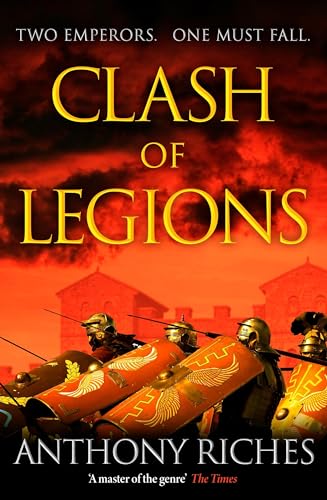
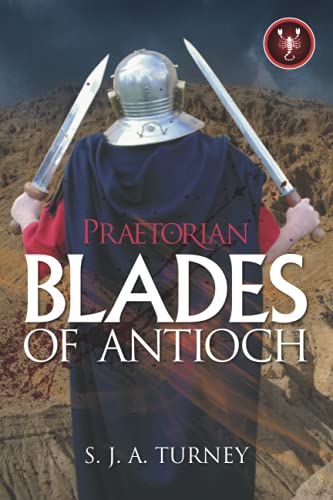
Simon Turney’s Praetorian: Blades of Antioch makes Niger’s eastern challenge a direct threat to Septimius Severus, while Praetorian: Eagles of Dacia places him among the ambitious commanders emerging under Commodus. Anthony Riches’ Clash of Legions, Field of Blood and Storm of War also use the civil war of the Year of the Five Emperors as the setting for Niger’s conflict with Severus. Simon Turney’s Praetorian: Blades of Antioch: 6 makes Pescennius Niger a principal rival to Septimius Severus, following the eastern civil war through Syria, Antioch and the campaign that culminates near Issus. In Turney’s Praetorian: Eagles of Dacia: Volume 3, Pescennius Niger appears earlier in the series as one of the ambitious senior commanders already shaping the unstable political landscape around Commodus.