Joseph P. Kennedy Sr. was an American businessman, financier and Democratic political figure who became patriarch of the Kennedy family. Born in East Boston in 1888, he built wealth through banking, securities trading, real estate, film companies and other investments. During Franklin D. Roosevelt’s presidency he entered national public service, becoming the first chairman of the Securities and Exchange Commission and later the first chairman of the United States Maritime Commission, positions that drew on both his business experience and political connections.
Roosevelt appointed Kennedy ambassador to the United Kingdom in 1938. His tenure covered the Munich crisis, the outbreak of the Second World War and the early period of German victories. Kennedy repeatedly expressed pessimism about Britain’s ability to survive a prolonged war and favoured policies aimed at avoiding deeper American involvement, views that increasingly conflicted with Roosevelt’s direction and damaged Kennedy’s political ambitions. He left the post in 1940. Thereafter much of his influence operated through the careers of his children, including President John F. Kennedy and senators Robert and Edward Kennedy.
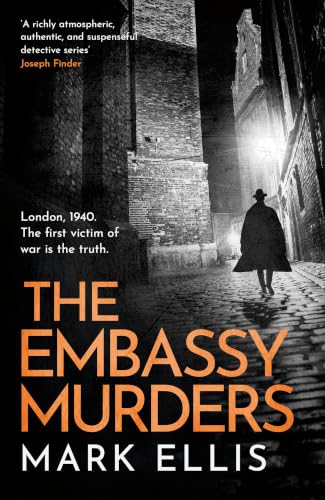
In Mark Ellis’ The Embassy Murders, Joseph P. Kennedy Sr. appears under his historical identity as the American ambassador, whose public pessimism about Britain’s prospects and interest in a negotiated settlement form part of the political background.