John Dee was an English mathematician, astrologer, adviser and scholar in the Elizabethan period. His interests in navigation, imperial planning, alchemy and angelic communication place him at the intersection of science, magic and statecraft.
John Dee was born in London and died in Mortlake. Dee served Elizabeth I as a mathematician, astrologer and adviser while building one of England’s notable private libraries; his later collaboration with Edward Kelley centred on attempts to communicate with angels through ritual and scrying.
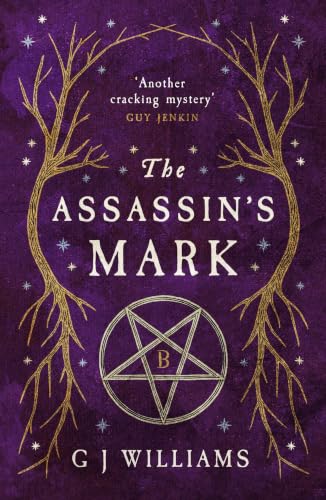
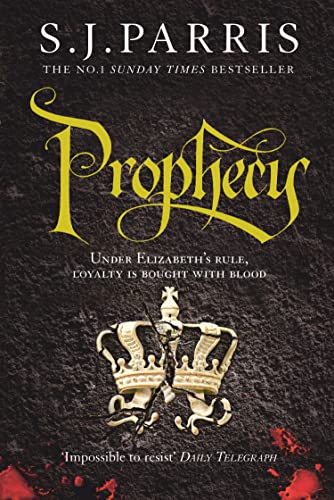
In S. J. Parris’ Prophecy, Working among courtiers, foreign agents and practitioners of astrology, Bruno must separate political theatre from genuine belief and murder from treason. His inquiries bring him into contact with John Dee and expose a scheme in which prophecy is being used to frighten, recruit and manipulate those already expecting the queen’s fall. In G. J. Williams’ The Assassin’s Mark, A cloven hoof-print, poisonings and references to the figure of Baphomet lead John Dee and Margaretta from frightened London communities towards aristocratic intrigue and the possibility of an assassin operating across national borders. Further fictional perspectives on John Dee can be found in G. J. Williams’ The Conjuror’s Apprentice, G. J. Williams’ The Cygnet Prince, Steven Veerapen’s The Queen’s Gold, G. J. Williams’ The Wolf’s Shadow, and Rory Clements’ Traitor.