John Bunyan was born near Bedford and worked as a brazier before joining a Nonconformist congregation and becoming a widely heard lay preacher. After the Restoration he refused to stop preaching without an official licence and was imprisoned for much of the period from 1660 to 1672.
During and after his imprisonment Bunyan wrote religious works including Grace Abounding and The Pilgrim’s Progress. His plain style and allegorical imagination gave his books an influence far beyond English Nonconformity, while his family depended heavily on the advocacy and labour of his second wife Elizabeth.
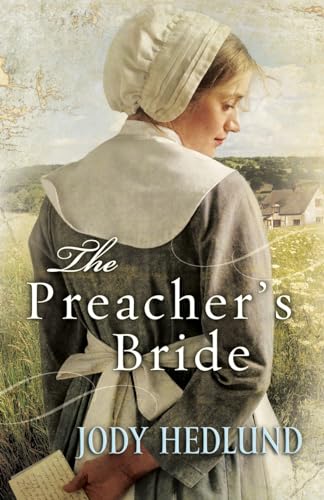
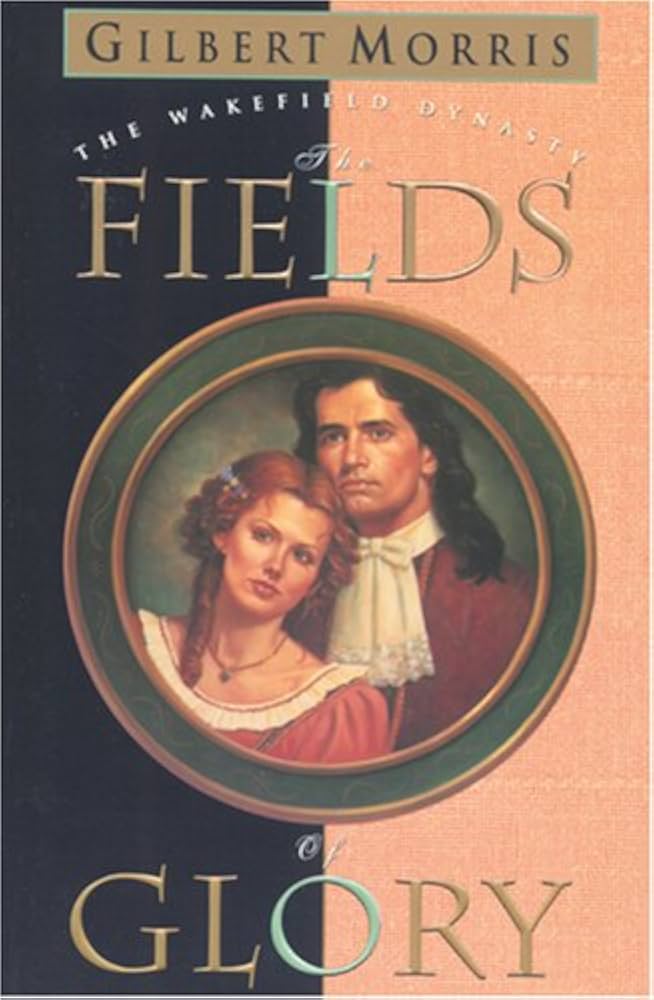
In Gilbert Morris’ The Fields of Glory, The novel brings historical politics into a fictional dynastic story and includes the religious world associated with John Bunyan. In Jody Hedlund’s The Preacher’s Bride, Inspired by John Bunyan and his second wife Elizabeth, the novel places domestic care within the Restoration campaign against unlicensed Nonconformist preaching.