Books
8 Best Novels About Latin American history
Bestselling authors first, then star rating.

As an Amazon Associate, I earn from qualifying purchases.
Purchases made through qualifying Amazon links may earn Historical Bookshelf a small commission at no extra cost to you. Read the Amazon affiliate disclosure.
Period
1492–1990 CE
Latin American history begins here with the arrival of European empires in the Americas and follows the creation of colonial societies built through conquest, Indigenous resistance, forced labour, African slavery, missionary activity and Atlantic trade. It includes Spanish and Portuguese rule, the Caribbean plantation world, the wars of independence and the formation of new republics across the nineteenth century.
After independence, political life was shaped by contested constitutions, regional elites, civil wars, export economies, foreign intervention and struggles over land and citizenship. The twentieth century brought urbanisation, labour movements, revolution, Cold War intervention, military dictatorship, exile and democratic transition. These developments varied greatly by country and should be represented through more specific child periods wherever possible.
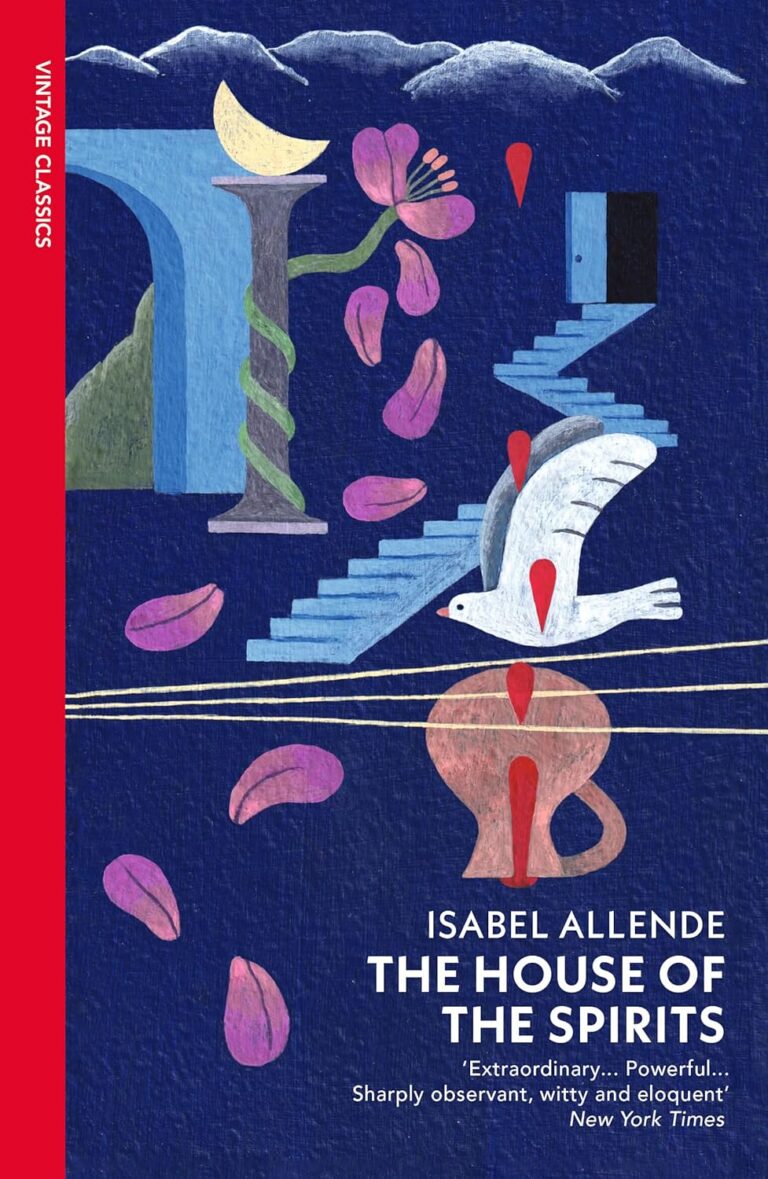
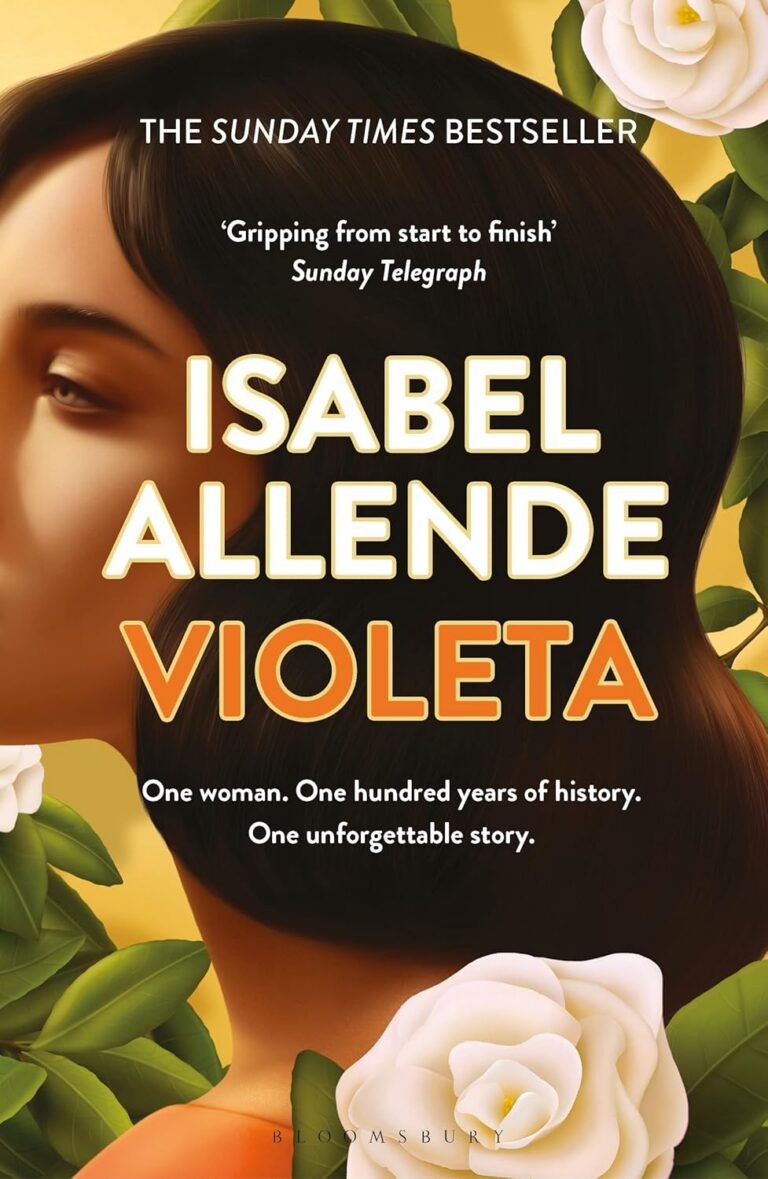
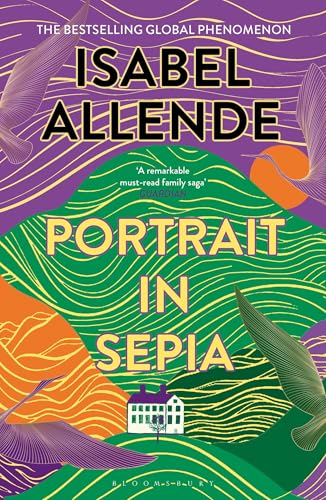
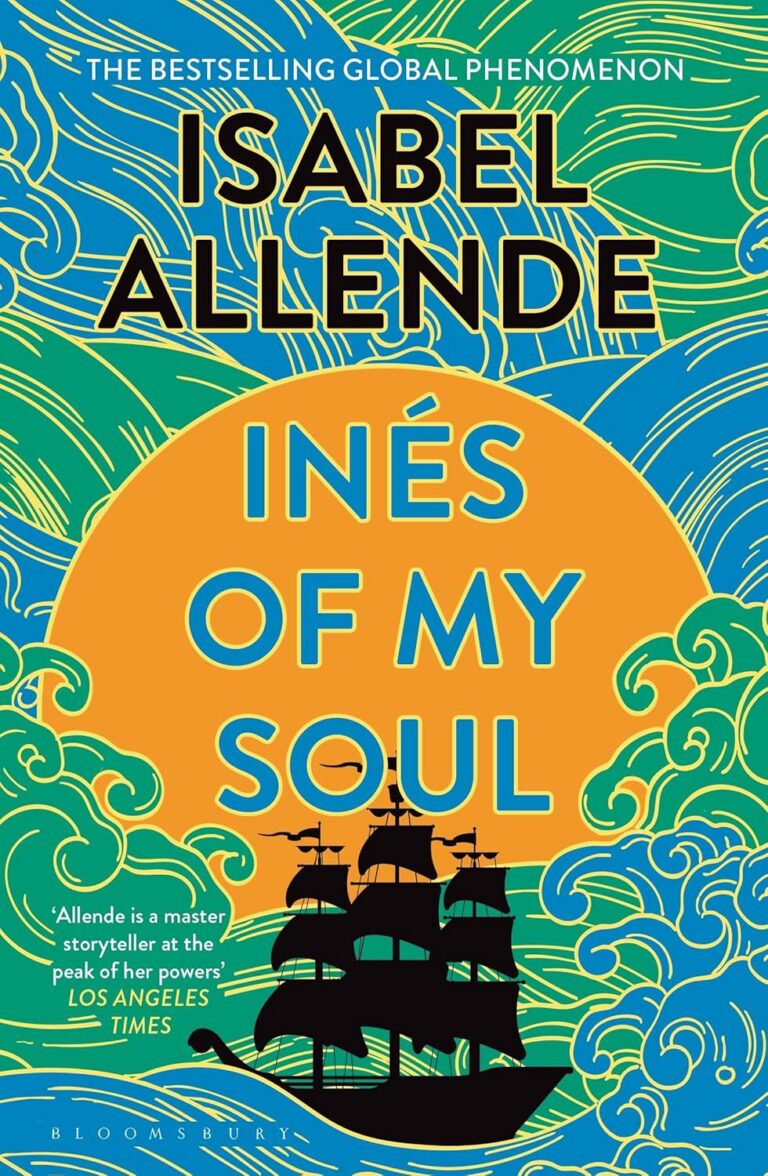
Historical fiction about Latin America includes Isabel Allende’s Chilean family sagas, Mario Vargas Llosa’s political novels, Louis de Bernières’s Latin American trilogy and fiction about Haiti, Mexico, Cuba and the independence movements. The parent context provides a substantial regional framework while its children identify the precise country, conflict or regime used by each novel.
Books
Bestselling authors first, then star rating.