Augusto Pinochet was a Chilean army officer who became commander-in-chief in August 1973 and emerged as the dominant figure in the military coup that overthrew President Salvador Allende on 11 September. The armed forces dissolved Congress, suppressed political parties and placed Chile under military rule. Pinochet consolidated authority within the junta and in 1974 assumed the title of president, remaining head of the dictatorship until the transition to elected government in 1990.
Pinochet’s regime combined radical economic restructuring with severe political repression. Security agencies imprisoned, tortured, killed or forcibly disappeared thousands of opponents, and many more Chileans went into exile. A 1980 constitution institutionalised his rule, but voters rejected extending his presidency in the 1988 plebiscite. He remained commander-in-chief until 1998 and later faced investigations over human-rights abuses and corruption, dying in 2006 without a final criminal conviction.
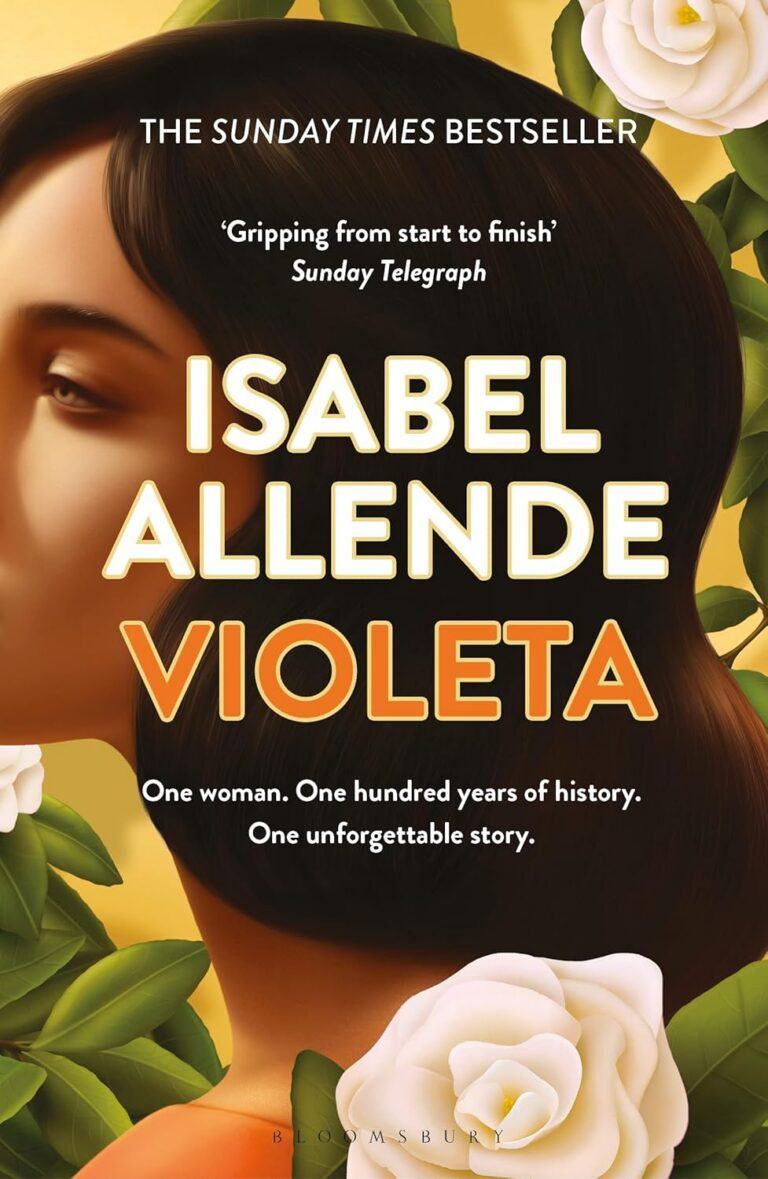
Isabel Allende repeatedly uses the Pinochet dictatorship as the political force that breaks private lives apart. In A Long Petal of the Sea, the 1973 coup drives Victor and Roser into renewed exile after they had already escaped Franco’s Spain; In the Midst of Winter gives Lucía a past shaped by Chilean repression and displacement. Of Love and Shadows turns an investigation into a concealed mass grave into a confrontation with a military regime recognisably modelled on Pinochet’s Chile, while The House of the Spirits follows a family from oligarchic politics into coup, detention and torture. Violeta places dictatorship within a century-long life story, showing political violence as one of the recurring public crises through which its heroine measures family, loss and survival.