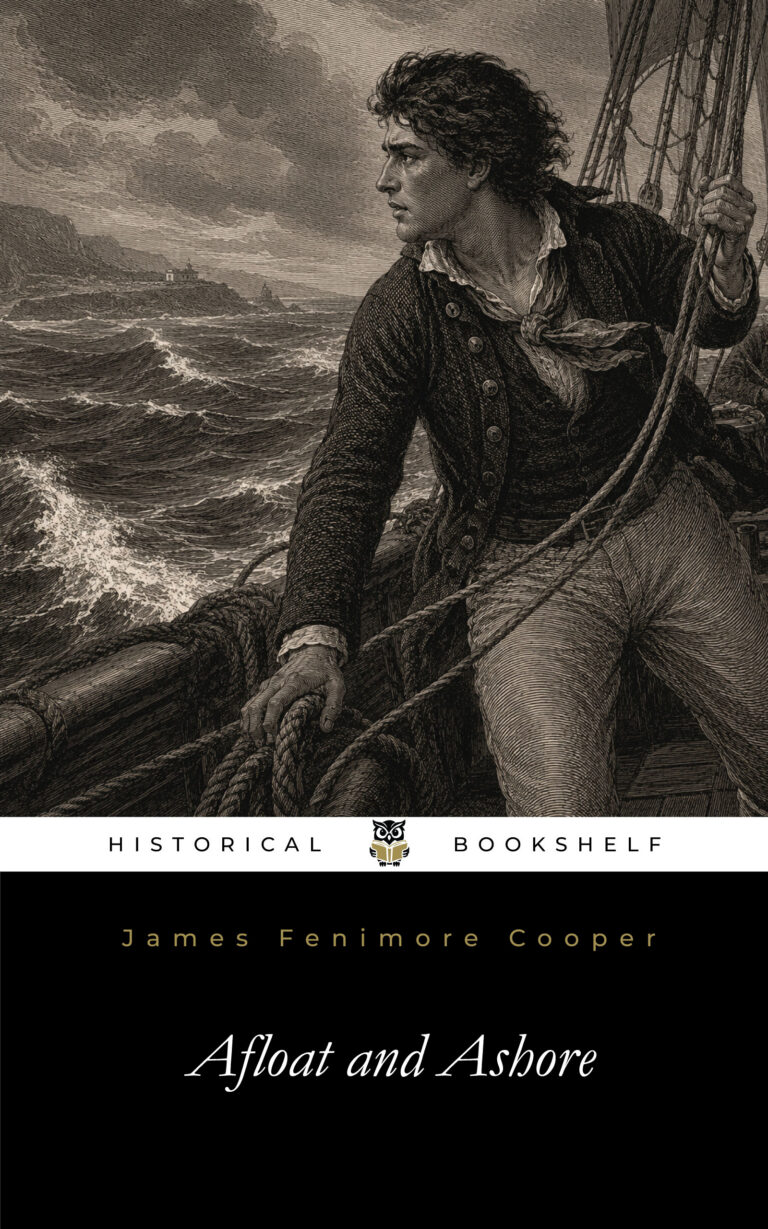
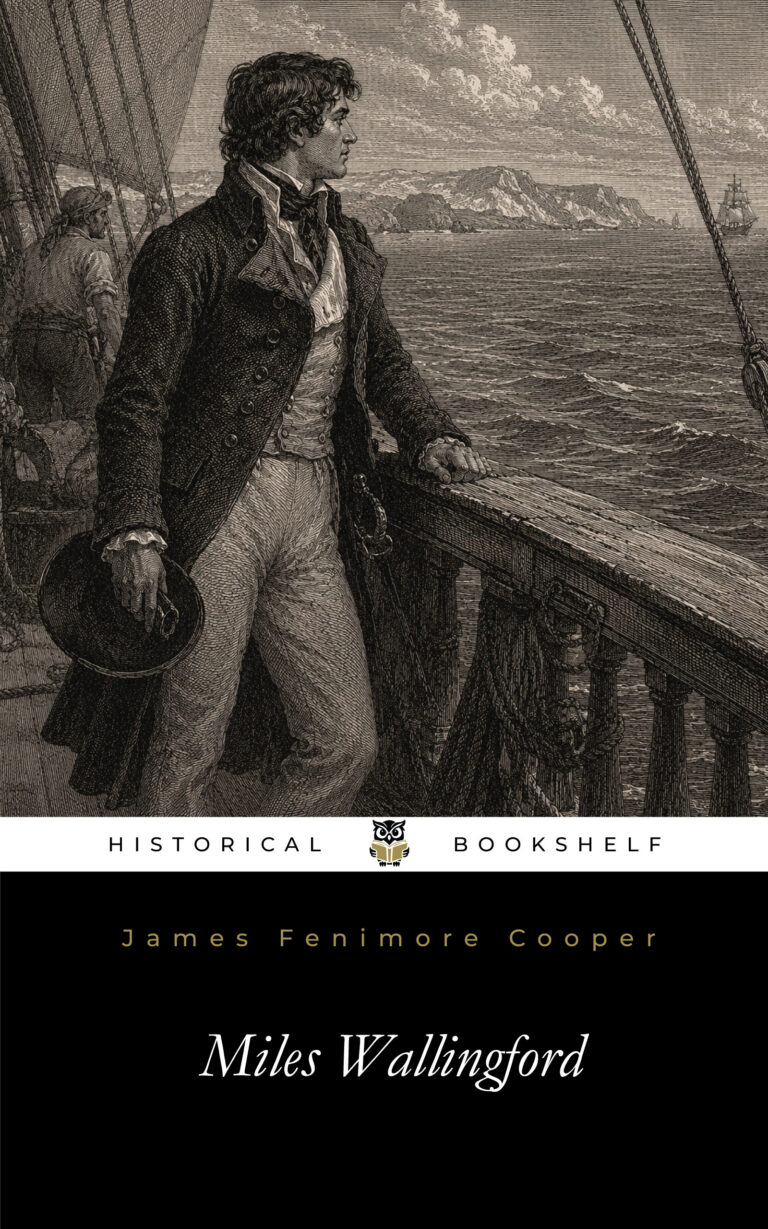
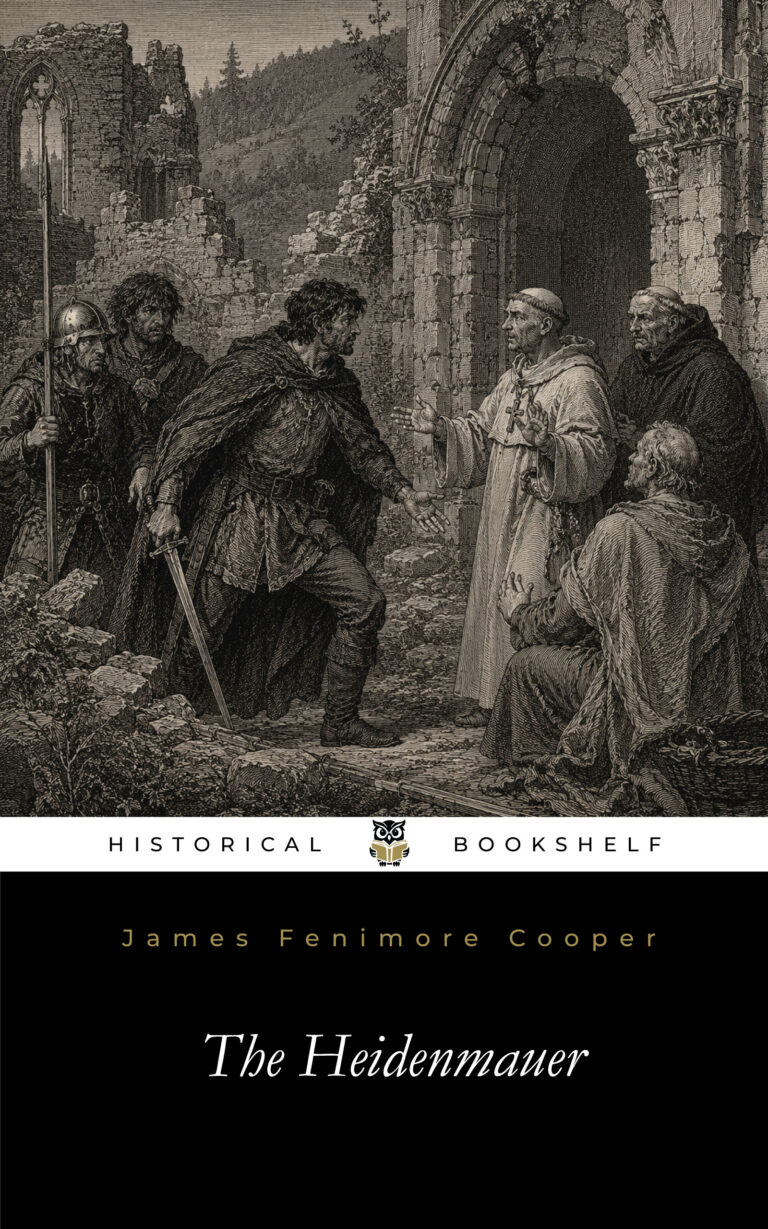
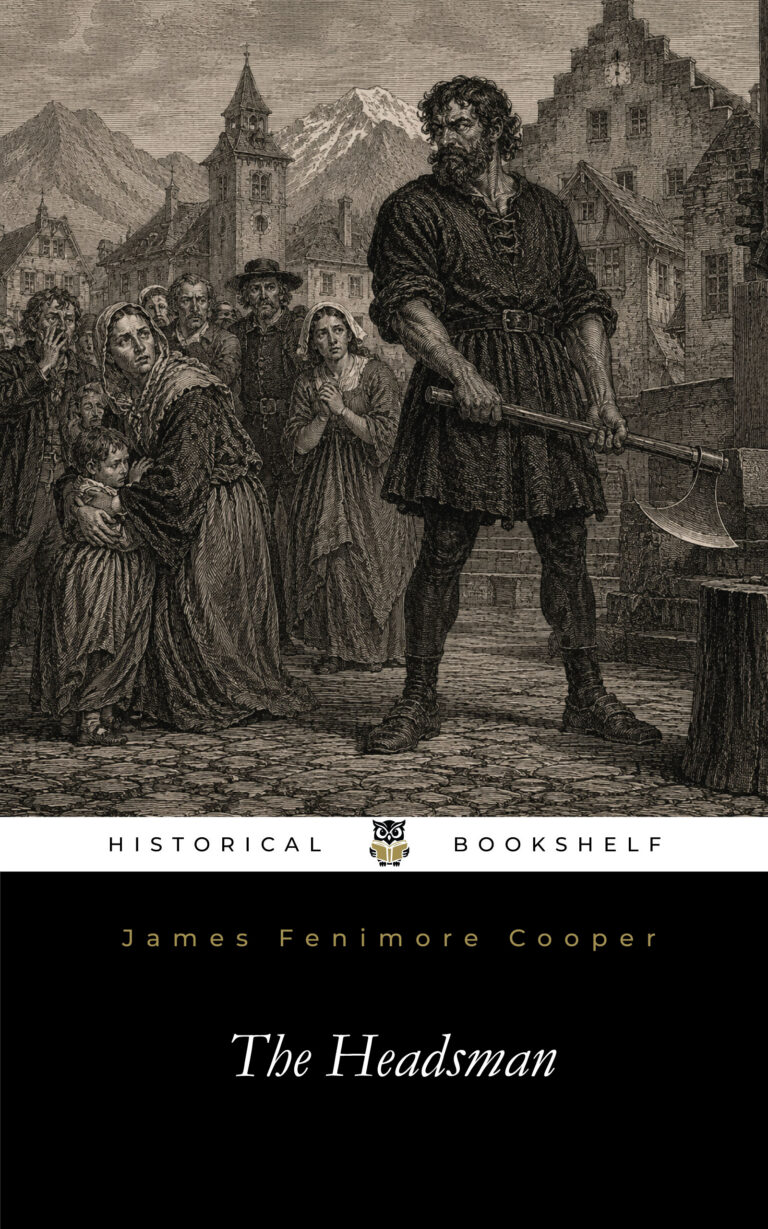
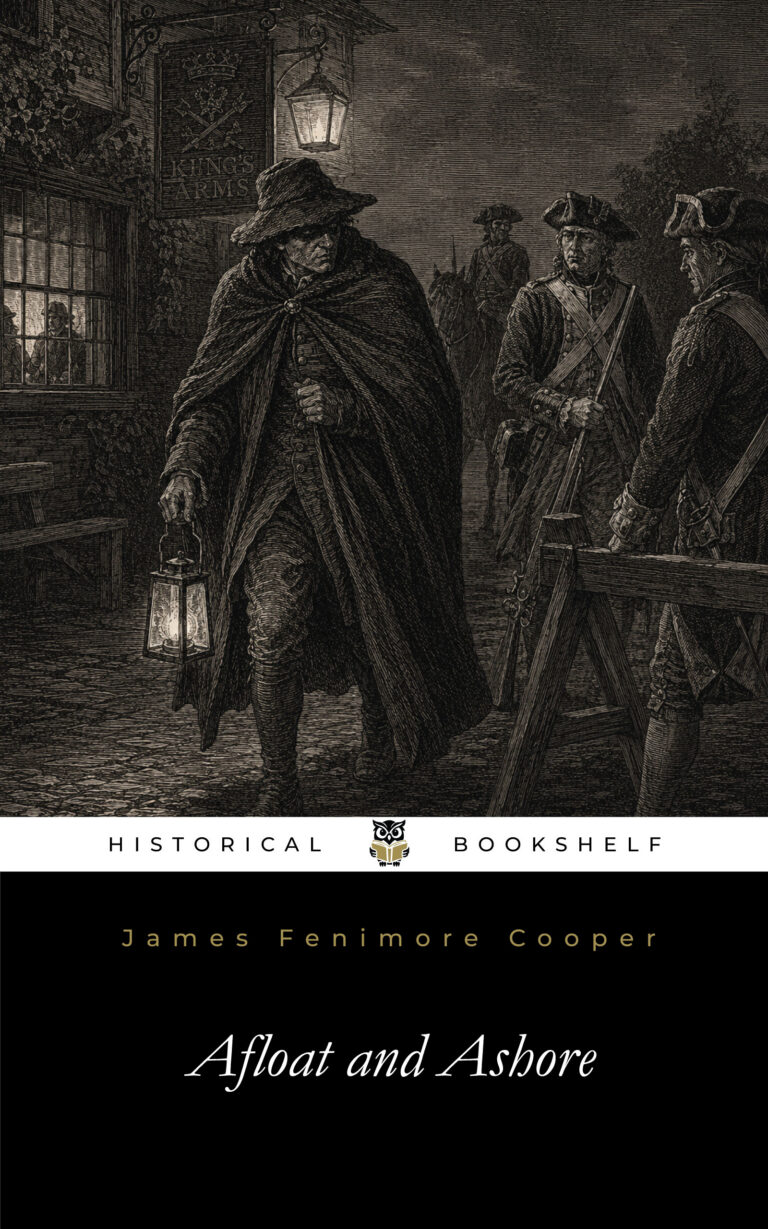
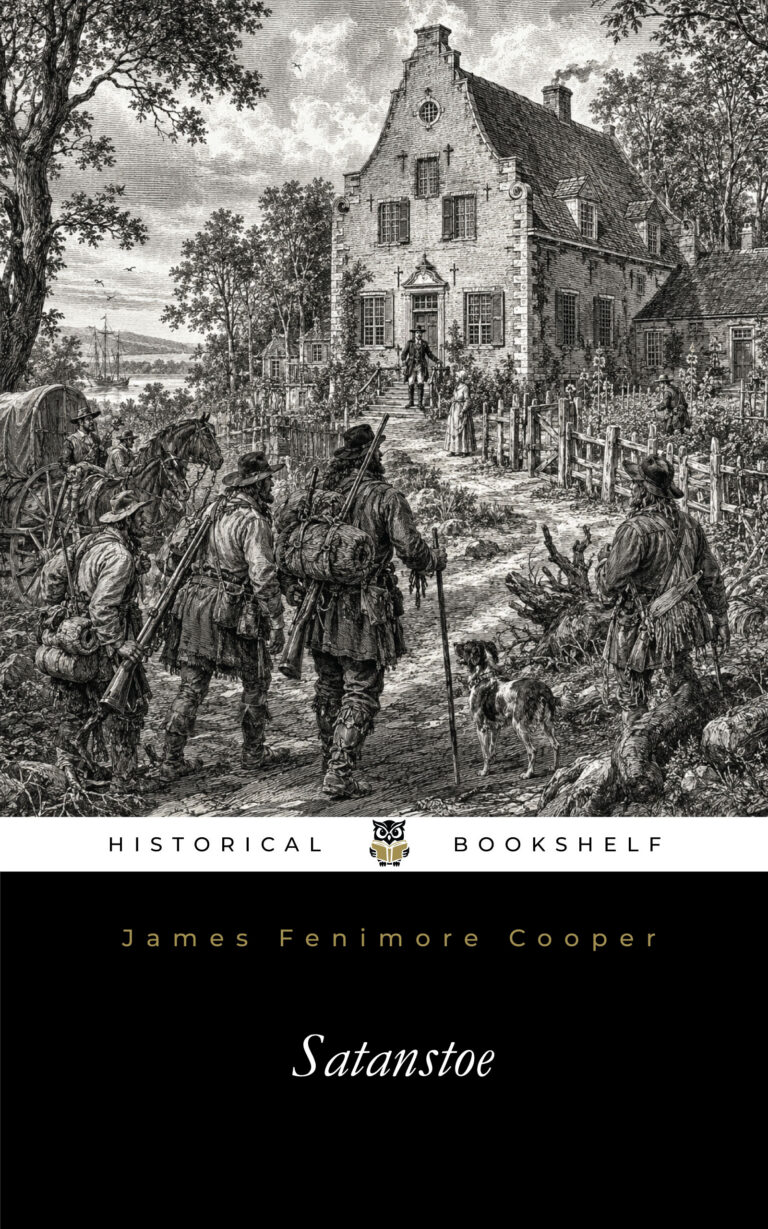
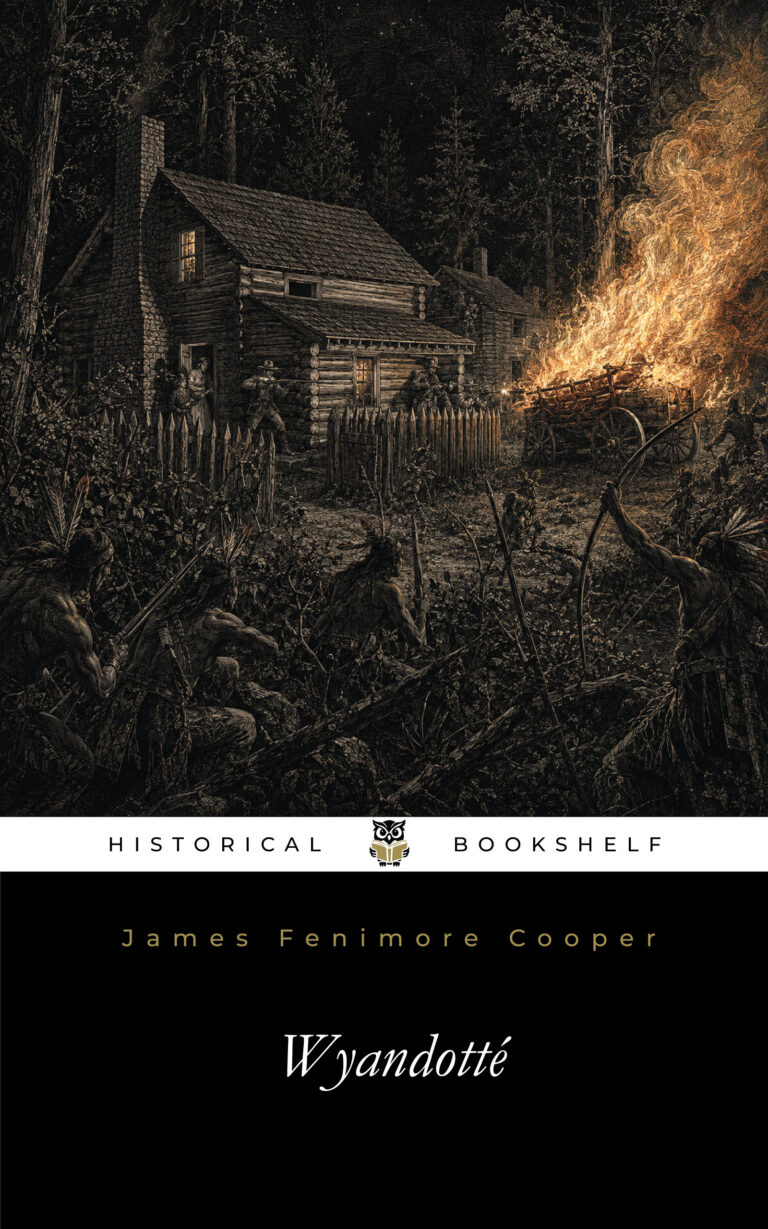
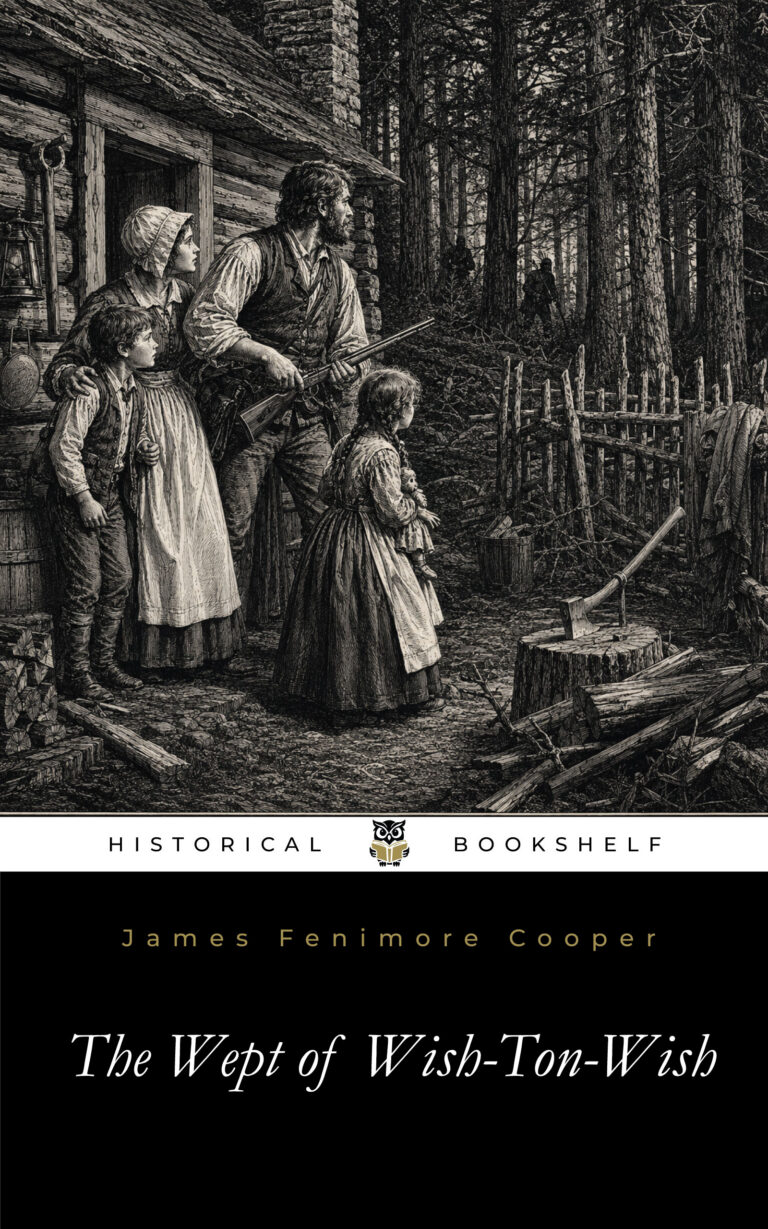
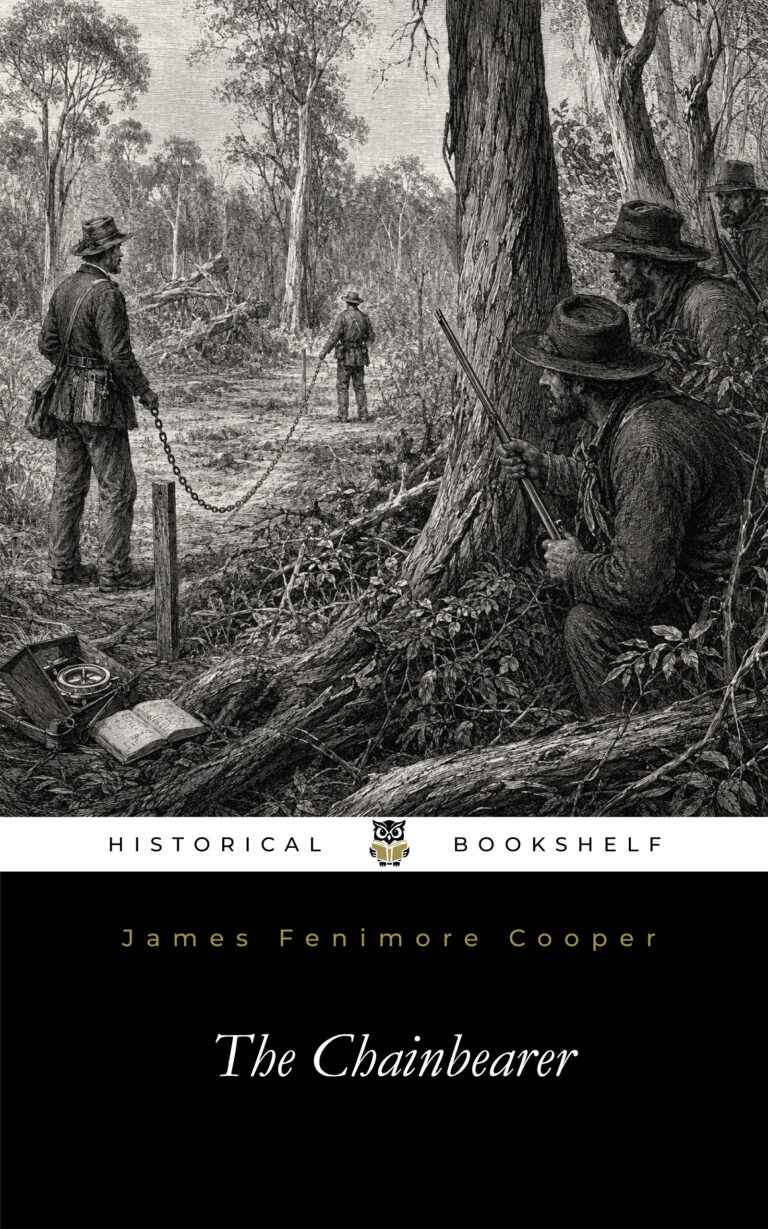
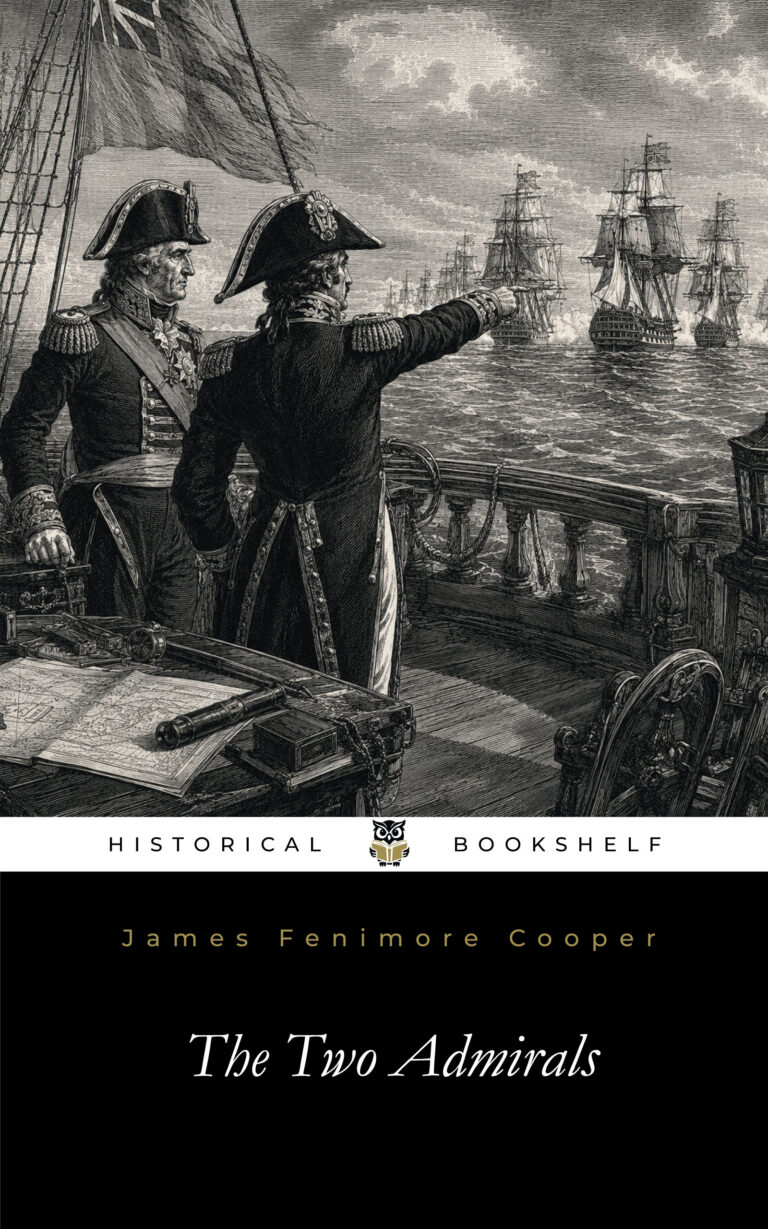
James Fenimore Cooper (1789–1851) was an American novelist whose historical fiction helped establish a distinctively American form of the historical romance. Born in New Jersey and raised in Cooperstown, New York, a settlement founded by his father, he grew up close to the landscapes and frontier communities that later shaped his fiction. Cooper served briefly in the U.S. Navy before turning to writing, and his novels frequently examine the expansion of European-American settlement, conflict between colonial powers, relations with Native American peoples and the transformation of the wilderness. He became internationally famous in the 1820s and 1830s and was one of the first American novelists to achieve a large readership in Europe.
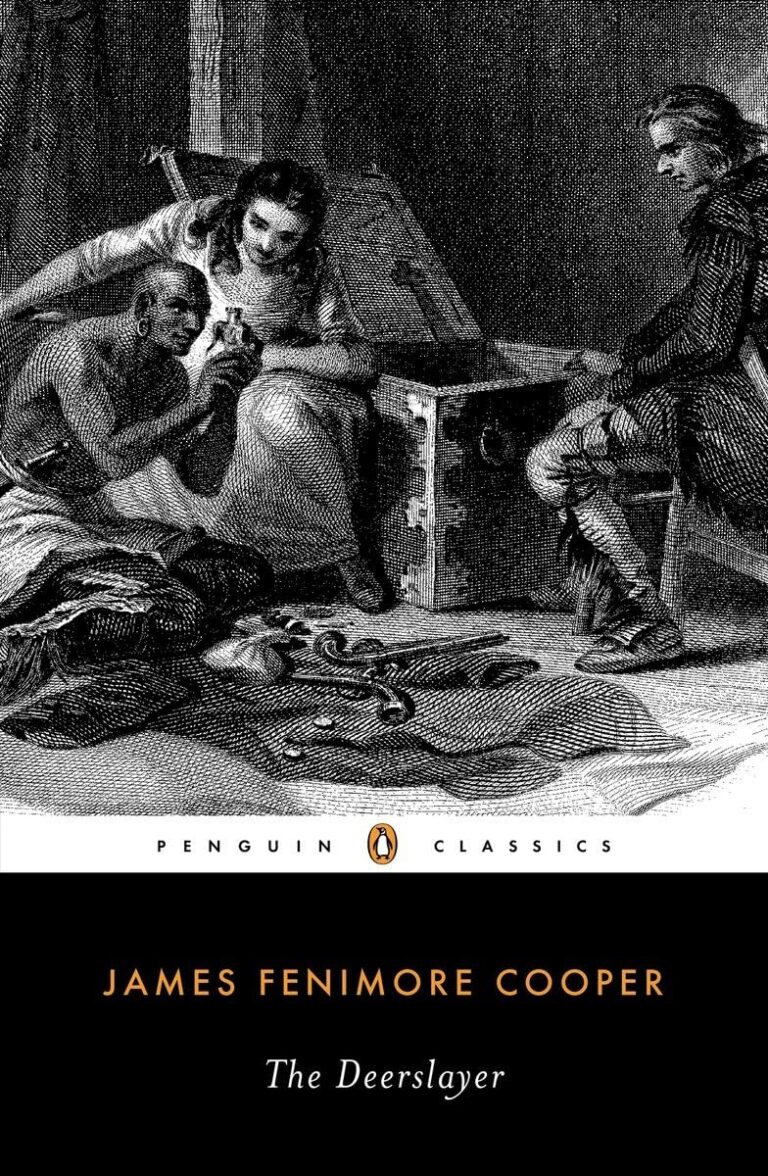
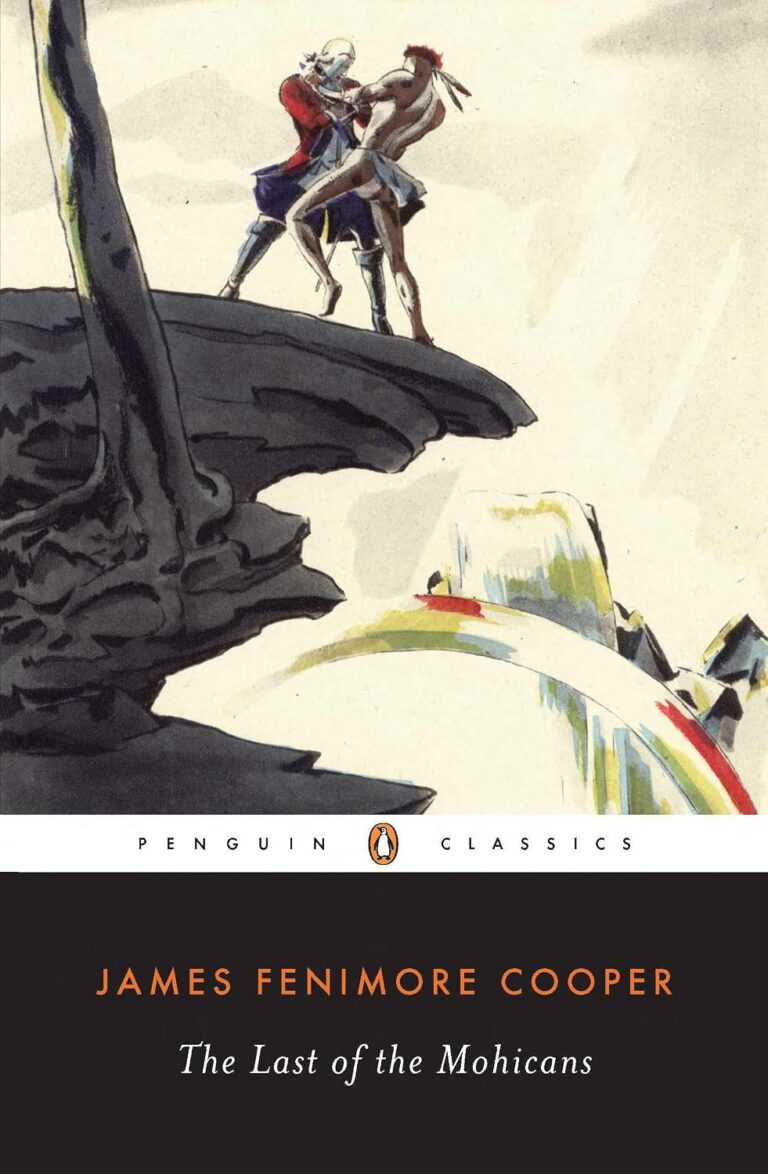
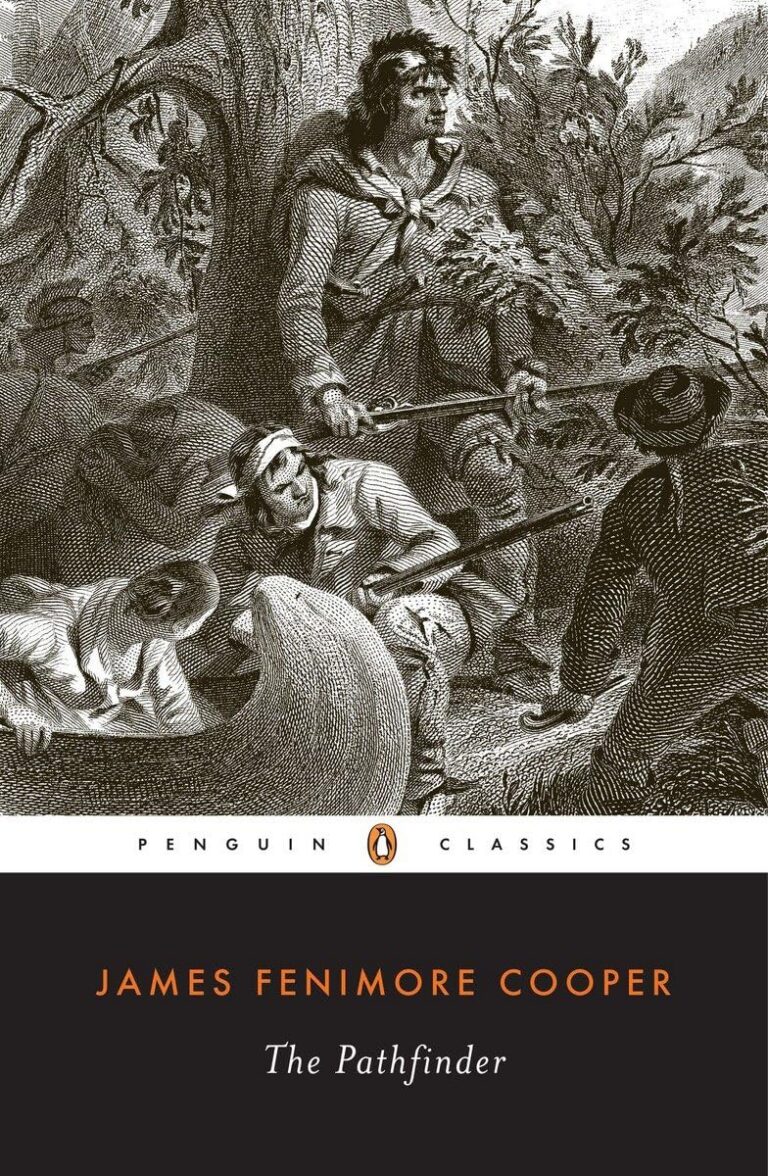
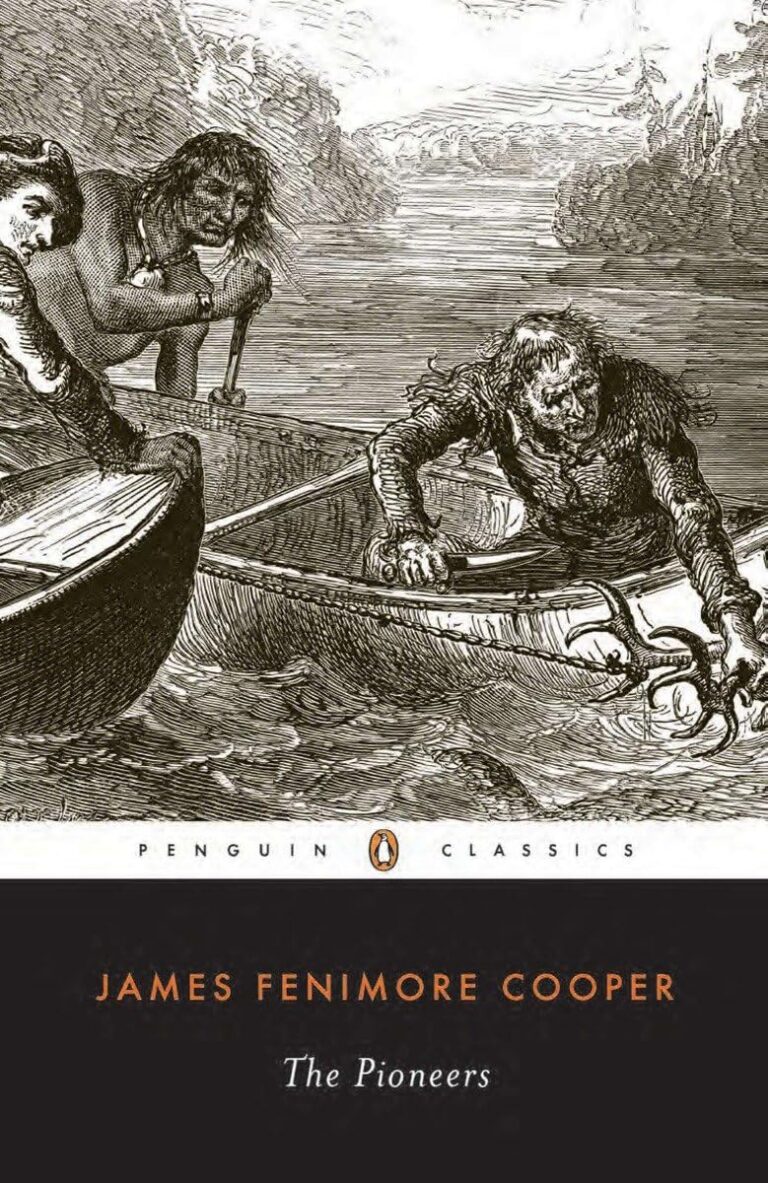
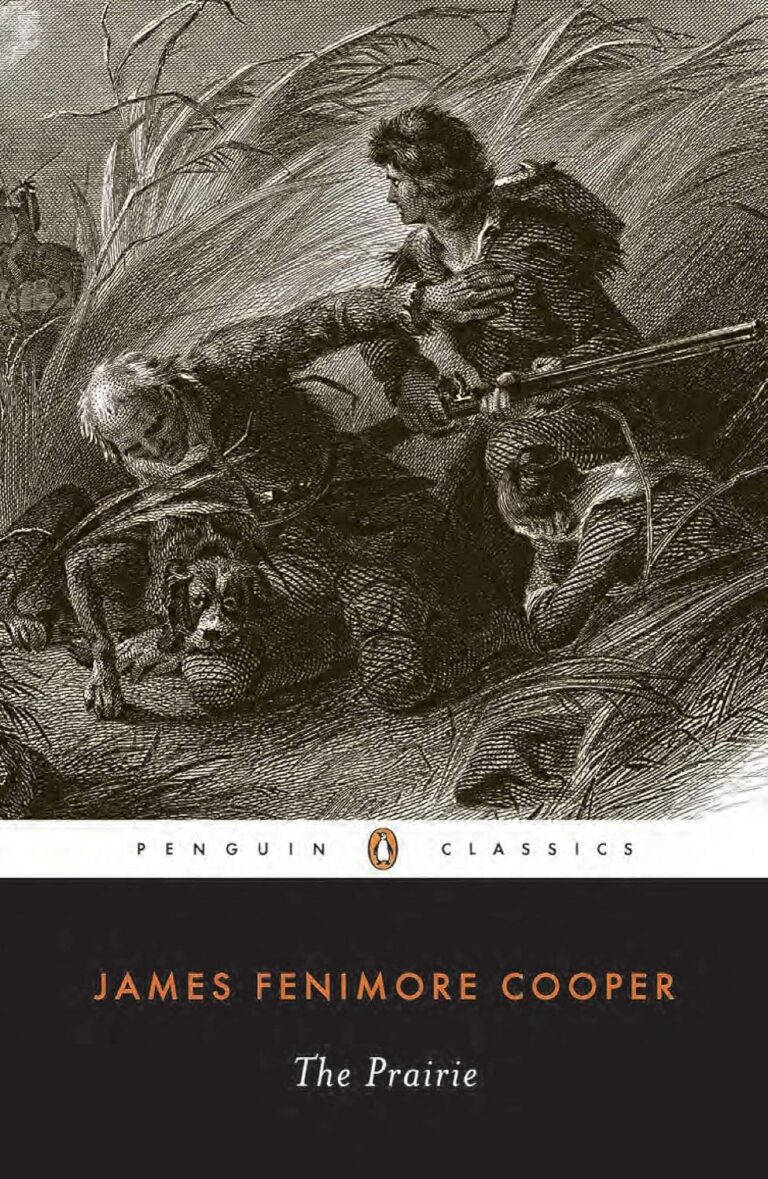
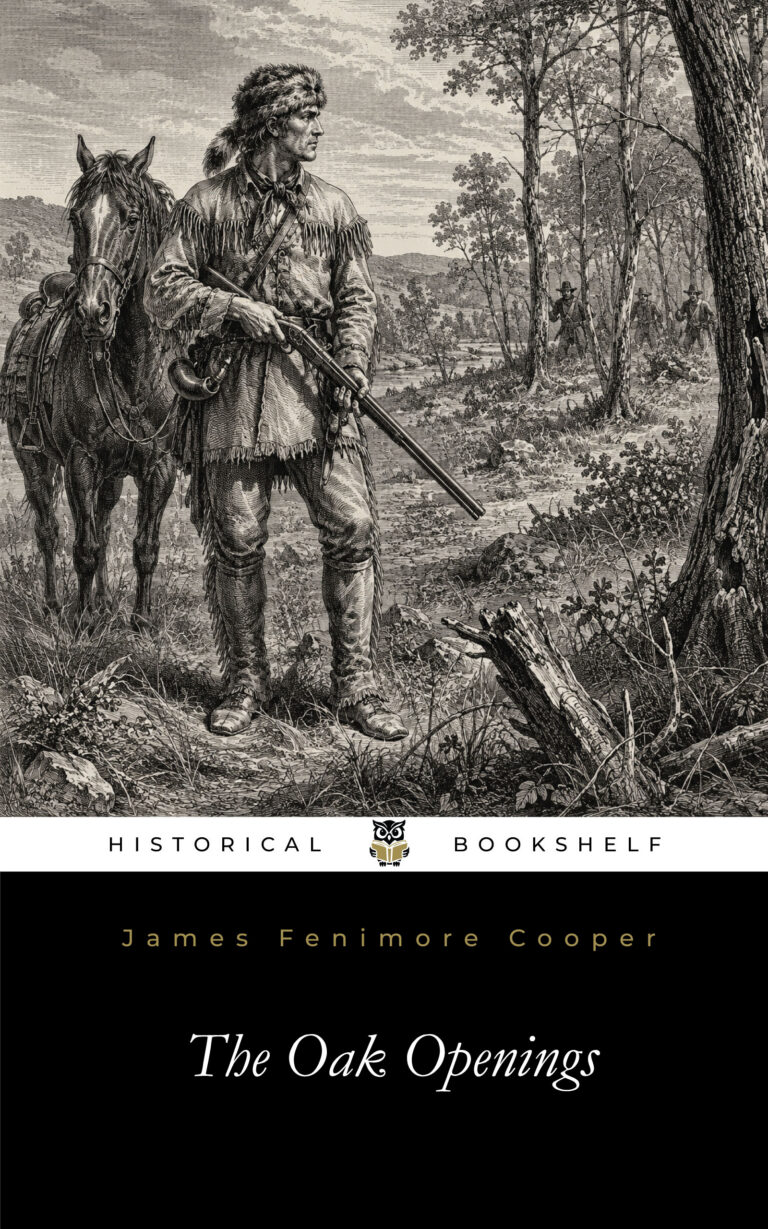
His most important historical fiction is the five-volume Leatherstocking Tales, following the frontiersman Natty Bumppo across the eighteenth-century American frontier: The Deerslayer, The Last of the Mohicans, The Pathfinder, The Pioneers and The Prairie. The novels range from the French and Indian War through the growth of settlement and the movement westward, combining adventure with reflections on wilderness, colonisation and cultural conflict. The Last of the Mohicans is particularly closely associated with the 1757 siege of Fort William Henry. Cooper also wrote historical novels outside the Leatherstocking sequence, including The Spy, set during the American Revolution; Lionel Lincoln, set around the opening of that war in Boston; and the Littlepage Manuscripts, which trace a New York landowning family across several generations. His fiction is therefore especially closely linked to colonial America, the French and Indian War, the American Revolution and early westward expansion.

 Louis L’Amour
97 books
Louis L’Amour
97 books
 Richard Woodman
37 books
Richard Woodman
37 books
 Henry Treece
35 books
Henry Treece
35 books
 Colin Falconer
22 books
Colin Falconer
22 books
 Gilbert Morris
104 books
Gilbert Morris
104 books