Christiaan de Wet was a Boer general and politician who became one of the most effective commanders of the Orange Free State during the Second Boer War. After the conventional Boer armies suffered major defeats, he led highly mobile guerrilla operations against British forces, repeatedly evading attempts to capture him and becoming a symbol of continued republican resistance.
De Wet repeatedly evaded larger British columns, disrupted communications and prolonged resistance after the occupation of the Boer capitals. His campaigns made him one of the conflict’s best-known commanders and a symbol of Boer military resilience.
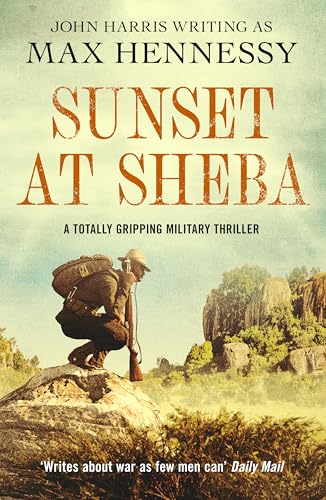
Thomas Pakenham’s The Boer War then traces the British advance under Frederick Roberts and Herbert Kitchener, the occupation of the Boer capitals and the prolonged guerrilla war led by commanders including Louis Botha, Christiaan de Wet and Jan Smuts. In Max Hennessy’s Sunset at Sheba, A battle to decide their fate. South Africa, 1914. Diehard Boer generals led a new rebellion against the British-friendly governments of both Jan Smuts and Louis Botha. General Christiaan De Wet's attempt to join up with the Germans in South-West Africa failed, but the threat of the rebel forces was real to all of the men who lived through it. John Wilcox’s Fire Across the Veldt uses Christiaan de Wet as the elusive Boer commander whose mobile guerrilla campaign repeatedly frustrates British attempts to locate and trap his forces.