
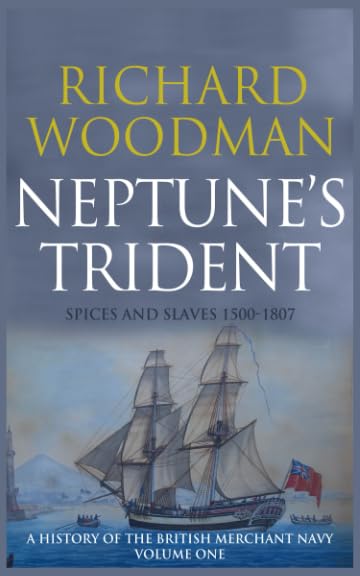
1. Neptune’s Trident
Neptune’s Trident traces the foundations of Britain’s merchant service from the opening of Atlantic trade around 1500 to the abolition of the British slave trade in 1807. Tudor voyages, the struggle with Spain, colonial expansion and the growth of private commerce show how seaborne trade developed…

2. Britannia’s Realm
Britannia’s Realm examines the British merchant service from the end of the Seven Years’ War to the defeat of Napoleon. Between 1763 and 1815, commercial shipping supported colonial expansion, carried troops and supplies, and kept trade moving through the American Revolutionary and French wars. The volume…
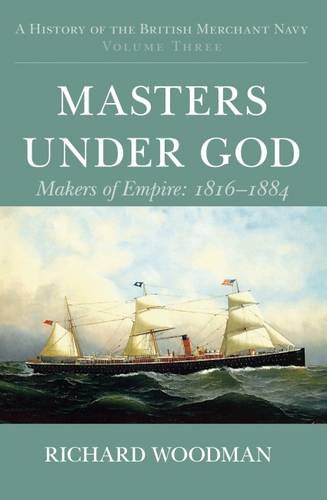
3. Masters Under God
With the Napoleonic Wars over, Britain’s merchant fleet entered a century of industrial expansion and imperial trade. Masters Under God follows the transition from sail to steam between 1816 and 1884, when shipowners, captains and engineers connected British manufacturing centres to ports across Asia, Africa, Australasia…
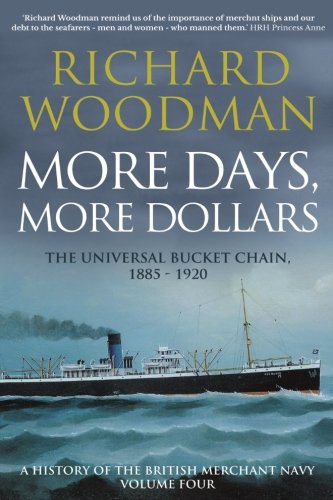
4. More Days, More Dollars
More Days, More Dollars examines the British merchant service between 1885 and 1920, when it became the largest carrier of passengers, manufactured goods and raw materials in the world. Sail remained important, but steamships, ocean liners and deep-sea tramp vessels increasingly organised global trade into regular…

5. Fiddler’s Green
Fiddler’s Green follows the British merchant navy from the difficult peace after 1918 through depression, rearmament and the Second World War. Shipping companies and crews entered the Battle of the Atlantic after years of falling freight rates and reduced investment, yet again became indispensable to Britain’s…