Albert Speer was a German architect who became one of Adolf Hitler’s senior officials in Nazi Germany. He designed major ceremonial projects for the regime and in 1942 became Minister of Armaments and War Production.
Speer expanded German war production while the armaments economy relied heavily on forced and slave labour. At Nuremberg he was convicted of war crimes and crimes against humanity and served twenty years in prison; his later presentation of himself as an apolitical technocrat has been substantially challenged by historical research.
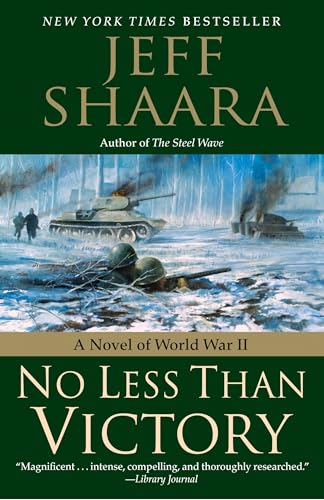
In Jeff Shaara’s No Less Than Victory, Shaara follows commanders, American infantrymen and Albert Speer as military defeat exposes the criminal system that sustained the regime. After the Battle of the Bulge, the Allied armies cross into Germany and uncover the concentration camps created by the Nazi state. The European sequence ends with victory, but not with a simple restoration of the world the soldiers knew before the war.