Sebastian St. Cyr Mystery in Order
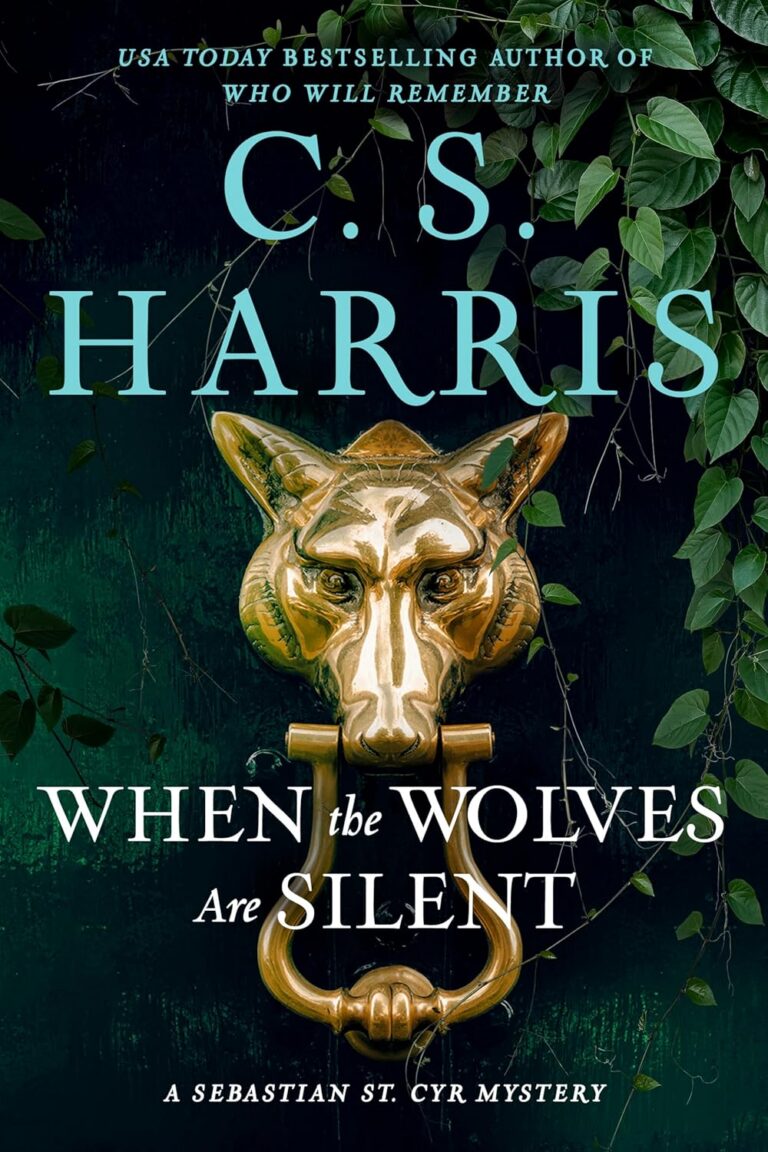
The Sebastian St. Cyr mysteries follow Sebastian St. Cyr, Viscount Devlin, a former cavalry officer and intelligence agent who investigates murders in Regency Britain. Beginning in 1811, his cases carry him from royal palaces and Mayfair drawing rooms to prisons, docks, rookeries and country villages, where violent crimes…
All books in this series
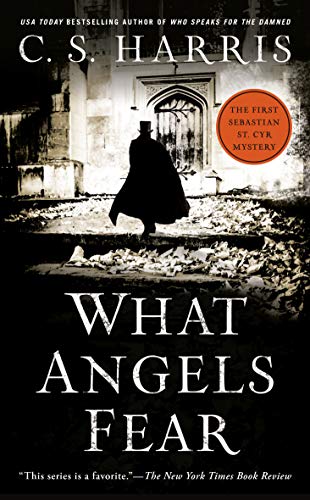
1. What Angels Fear
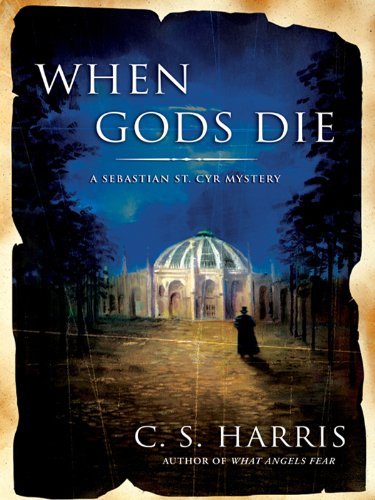
2. When Gods Die
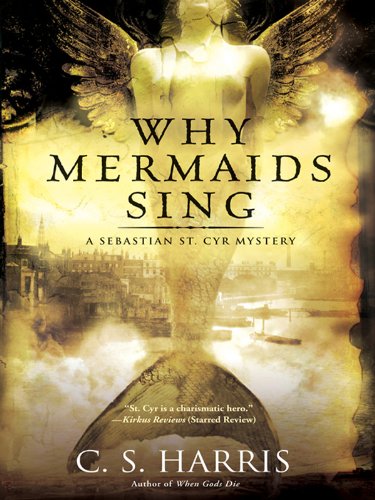
3. Why Mermaids Sing
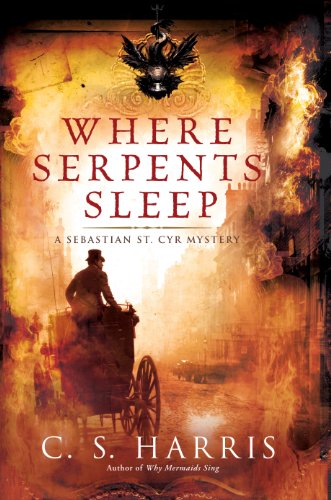
4. Where Serpents Sleep
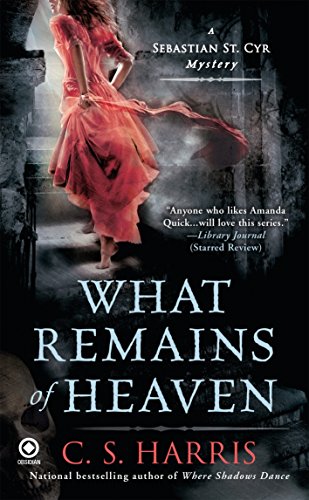
5. What Remains of Heaven
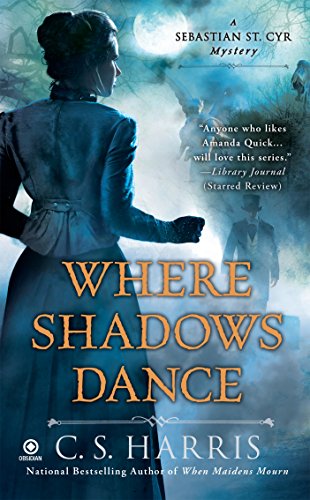
6. Where Shadows Dance
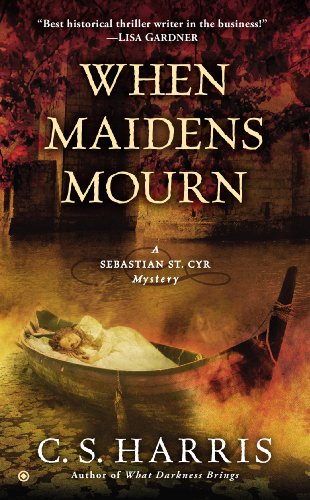
7. When Maidens Mourn
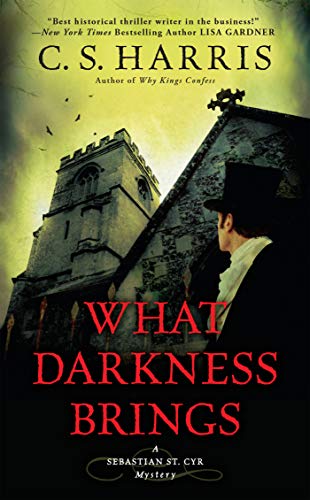
8. What Darkness Brings
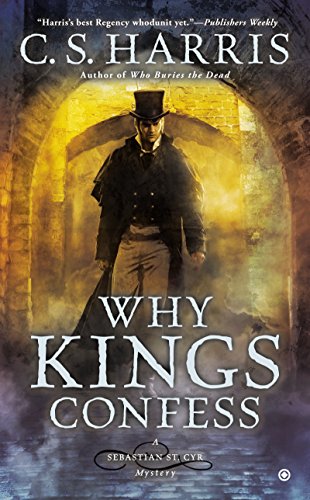
9. Why Kings Confess
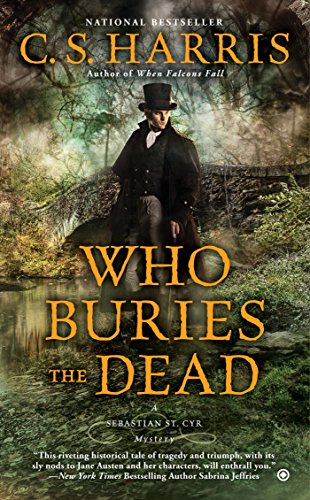
10. Who Buries the Dead
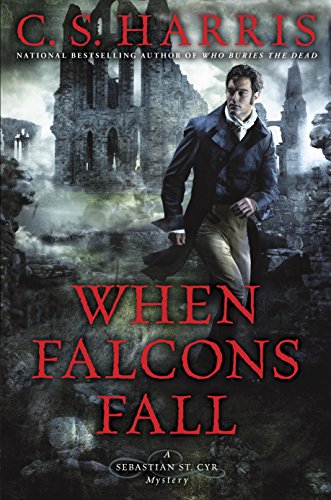
11. When Falcons Fall
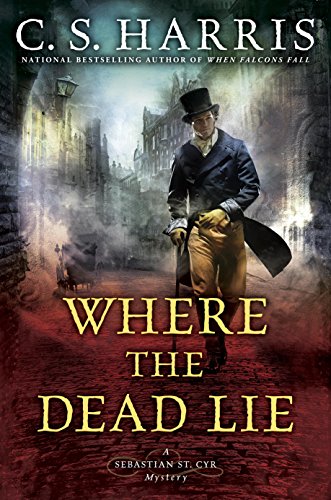
12. Where the Dead Lie
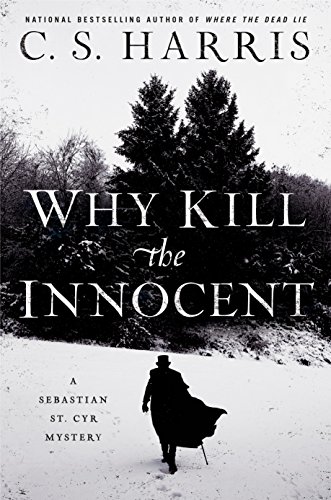
13. Why Kill the Innocent
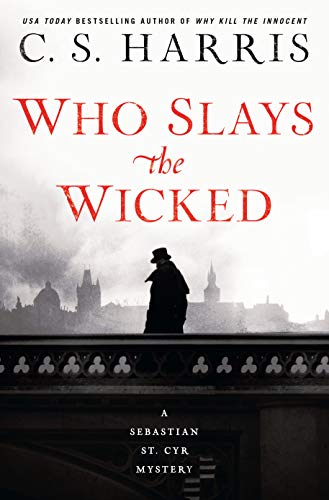
14. Who Slays the Wicked
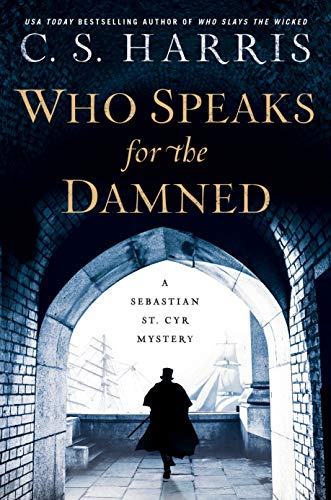
15. Who Speaks for the Damned
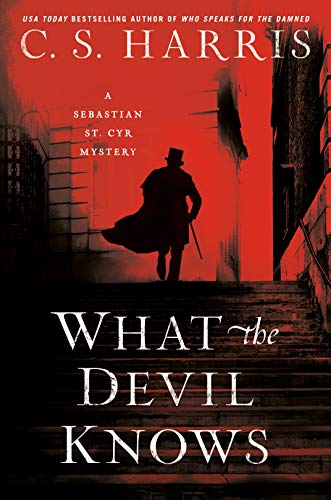
16. What the Devil Knows
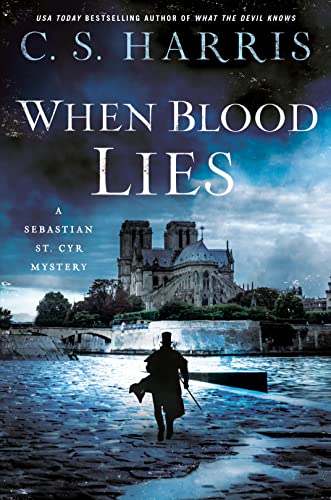
17. When Blood Lies
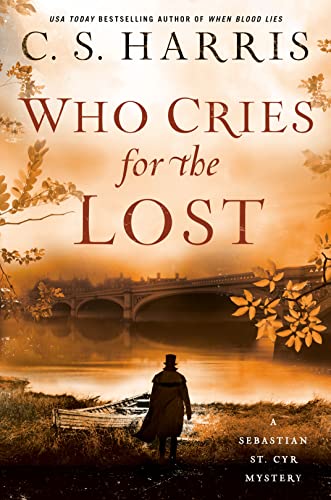
18. Who Cries for the Lost
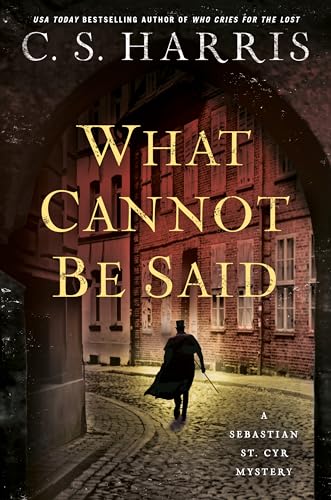
19. What Cannot Be Said
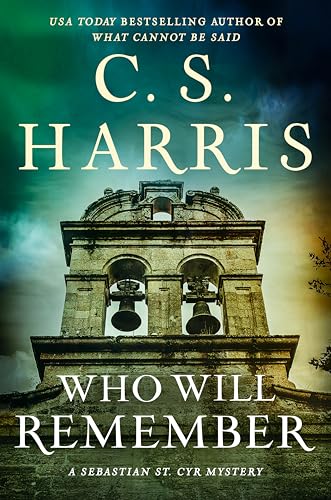
20. Who Will Remember