Alexandre Dumas is one of the most important adventure novelists in historical fiction, known for plots of loyalty, revenge, conspiracy and political upheaval.
Alexandre Dumas was born in Villers-Cotterêts, France, in 1802. His father, General Thomas-Alexandre Dumas, was a celebrated officer of mixed French and Caribbean ancestry whose military career and later hardships shaped the family’s circumstances. Dumas moved to Paris as a young man and first made his name in the theatre. His energy, theatrical instinct and ability to organise complex plots later transferred naturally to the rapidly expanding market for serialised fiction.
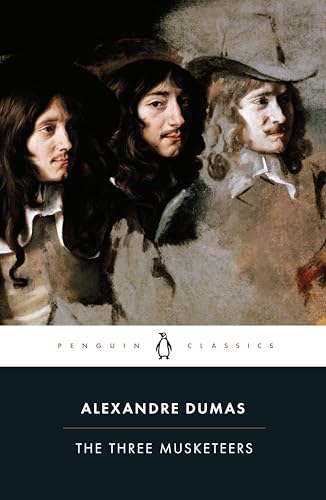
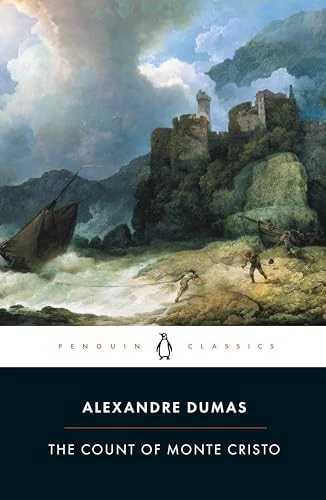
Dumas became one of the nineteenth century’s most successful adventure novelists, often working with researchers and collaborators, most notably Auguste Maquet. The Three Musketeers, Twenty Years After and The Vicomte de Bragelonne follow friendship, loyalty and political intrigue across seventeenth-century France, while The Count of Monte Cristo turns imprisonment and revenge into a vast social and political drama. His fiction moves between courts, prisons, battlefields, inns and secret societies with exceptional narrative momentum. Although written for a popular readership, the novels engage seriously with legitimacy, class, race, betrayal and the instability of political power. Dumas died in 1870, leaving an enduring model for historical adventure fiction and the modern swashbuckling novel.




 G. P. R. James
28 books
G. P. R. James
28 books
 Sir Arthur Conan Doyle
24 books
Sir Arthur Conan Doyle
24 books
 Neal Stephenson
11 books
Neal Stephenson
11 books