As an Amazon Associate, I earn from qualifying purchases. This means if you click on a link and make a purchase, I may receive a small commission at no extra cost to you.

Home / Historical Periods / Victorian Era / Victorian London

Phase

Victorian London

1837–1901 CE

Victorian London grew into the largest city in the world, combining imperial grandeur with overcrowded slums, polluted streets and huge class contrasts. Railways, docks, newspapers, theatres, police, sewers and department stores reshaped everyday life. The city became both a symbol of British power and a case study in urban misery.

Its importance comes from that density of contradiction. London could hold parliament, aristocratic squares, sweatshops, prisons, hospitals, music halls and criminal networks within a few streets of each other. It works especially well as a setting for mystery, social realism, gothic fiction and stories about anonymity in the modern city.

Victorian fiction and fiction set in the Victorian world connect directly to Charles Dickens, Wilkie Collins and Anthony Trollope, while modern historical novels by Sarah Waters, Michel Faber, Laura Purcell and Elizabeth Macneal use the period for crime, class, theatre, sex, medicine and social pressure. Series fiction also works strongly here, from Anne Perry's Victorian mysteries to C. S. Harris's late-Georgian/Regency edge and Oscar de Muriel's darker Victorian investigations. A Victorian archive page can therefore move between canonical nineteenth-century novels and modern historical series set among factories, railways, workhouses, drawing rooms and city streets.

Related people for Victorian London

Series

Series about Victorian London (1 series)

Books

30 Best Novels About Victorian London

Bestselling authors first, then star rating.

Non Fiction

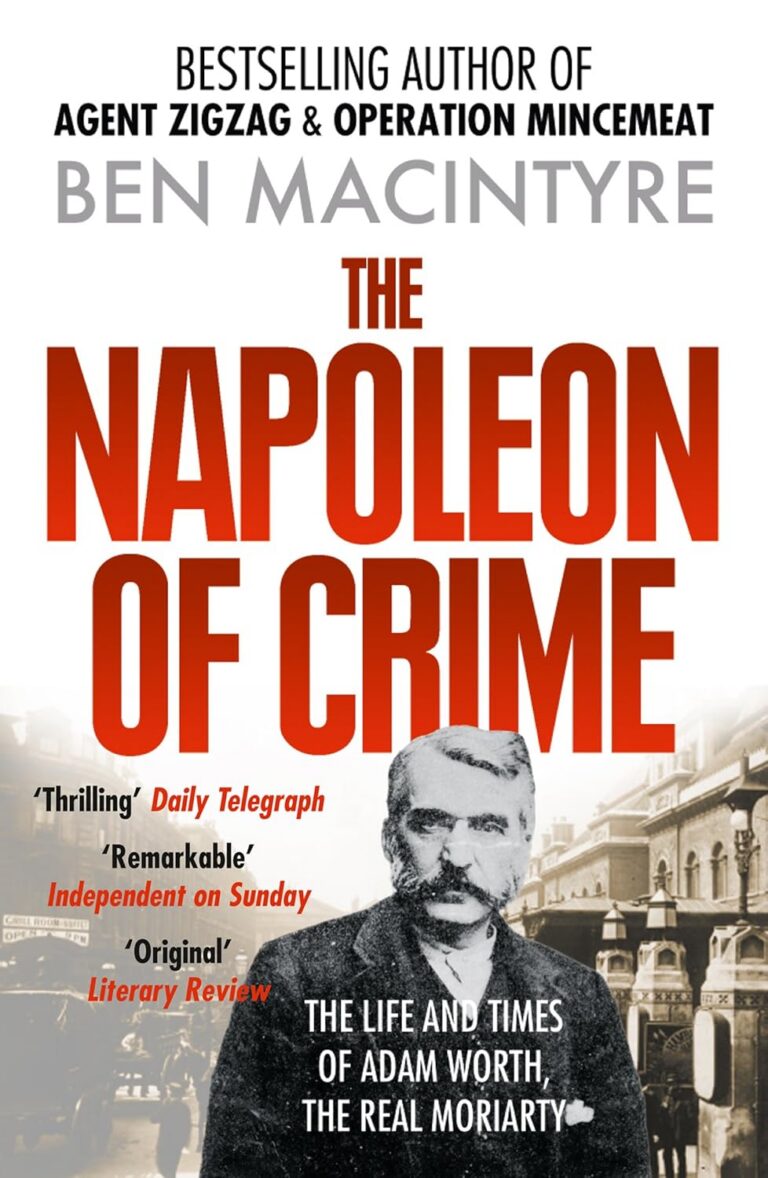
1 Non-Fiction Book About Victorian London

Histories, biographies and reference works are listed separately from the historical novels above.