

Book
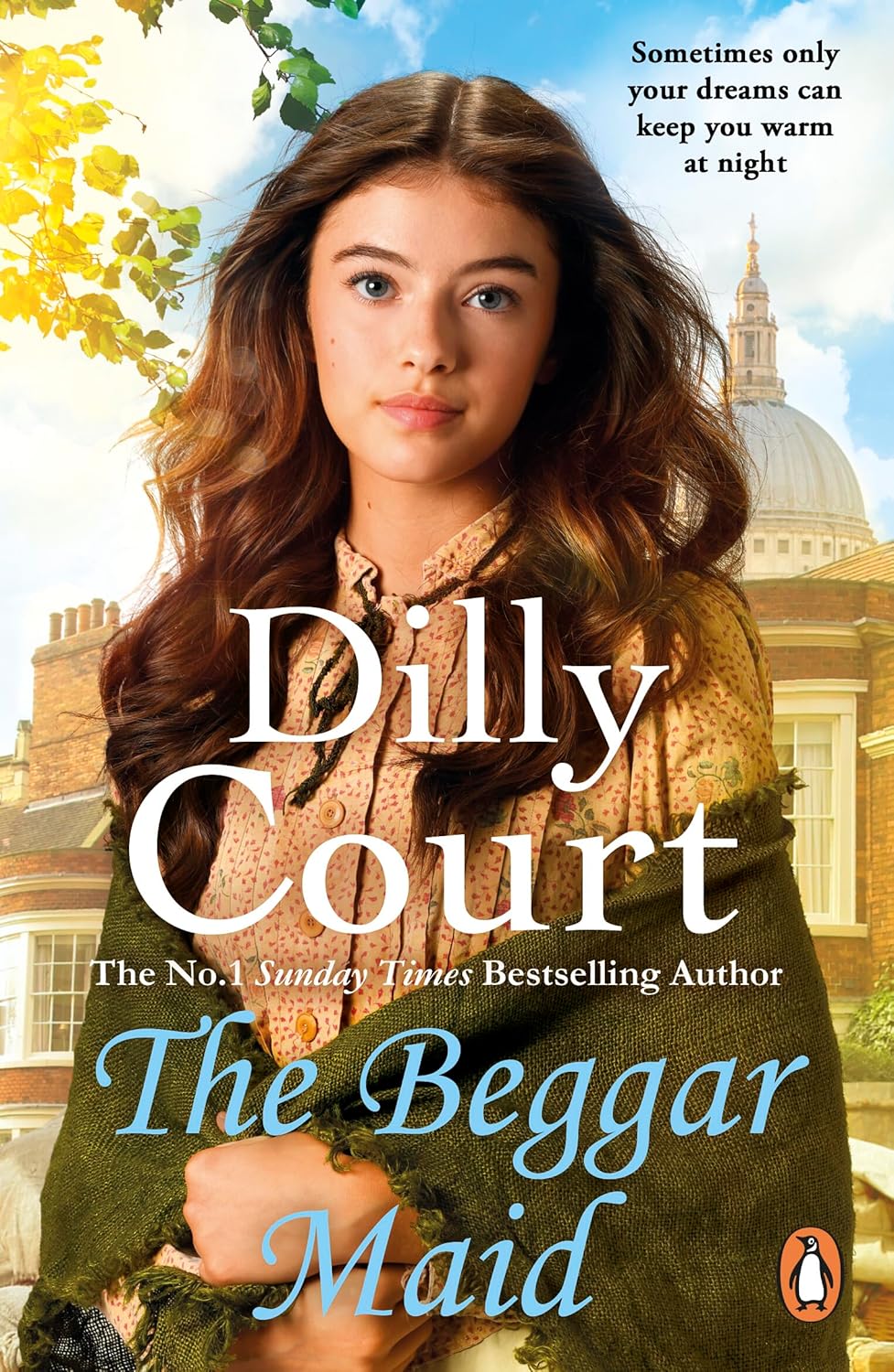
The Beggar Maid
In the City of London in 1887, Charity Crosse survives on the streets and is treated as a criminal simply because she is poor. A chance connection with a bookshop offers the possibility of work, education and a life not governed by begging or casual violence.
Charity’s new prospects are threatened by people who profit from her vulnerability and by secrets that follow her into respectable surroundings. She must learn to defend herself without losing the generosity that first allowed her to imagine a different future.
Charity’s treatment reflects Victorian policies that often blurred poverty with criminality. Vagrancy law, casual labour and the workhouse system could punish people for lacking the resources needed to appear respectable, while literacy and stable employment offered one of the few routes out of dependence. The bookshop therefore represents more than kindness: it gives Charity access to skills and social recognition denied by the street economy.
Historical Periods
More from this period
5 more top-rated novels about Victorian London
Ranked by rating and voting volume; books already shown on this page are omitted.




More by the author
Other books by Dilly Court





Discover more
Authors similar to Dilly Court
Recommended from shared genres and periods.
 Lesley Pearse
13 books
Lesley Pearse
13 books
 Lisa Kleypas
38 books
Lisa Kleypas
38 books
 David Field
46 books
David Field
46 books