Historical person
James Broun-Ramsay, 1st Marquess of Dalhousie
1812–1860
James Broun-Ramsay, 1st Marquess of Dalhousie was the governor-general who greatly expanded British rule in India. He used war, annexation and the Doctrine of Lapse to absorb territories including Punjab and several princely states while promoting railways, telegraph and administrative reform.
James Broun-Ramsay, 1st Marquess of Dalhousie also held the offices or ranks of Governor-General of India, President of the Board of Trade, Member of the Privy Council of the United Kingdom, and member of the House of Lords. James Broun-Ramsay, 1st Marquess of Dalhousie was born in Midlothian.
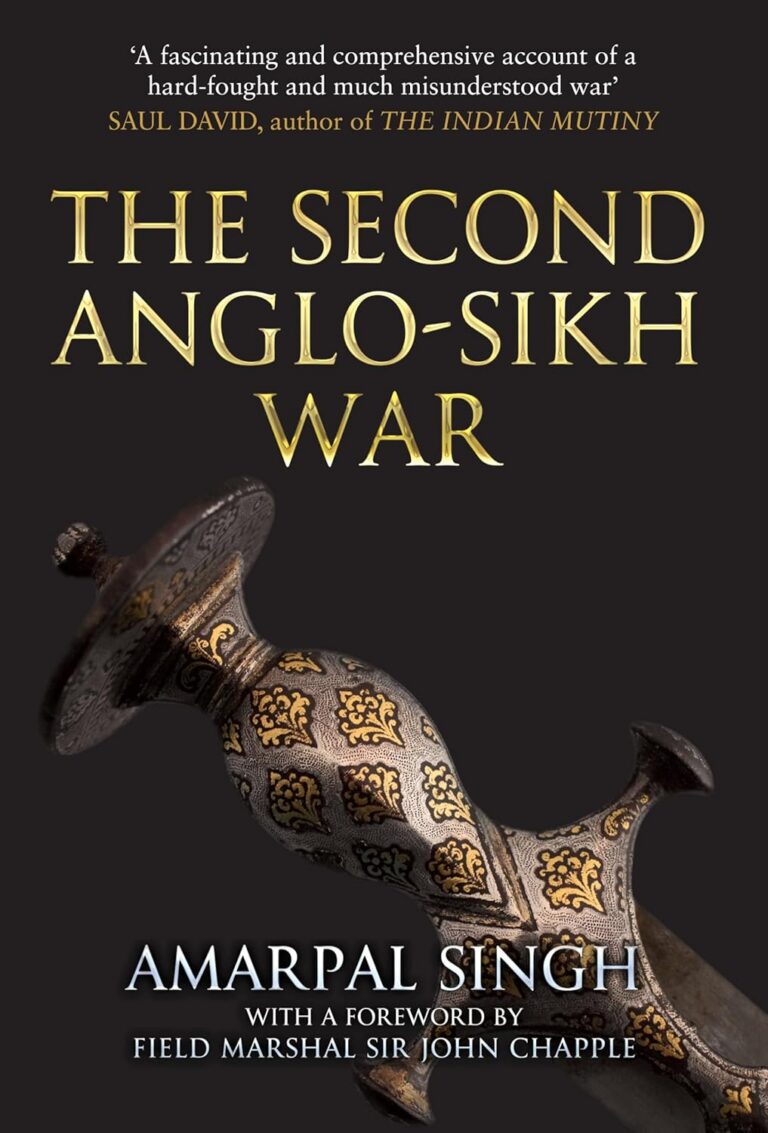
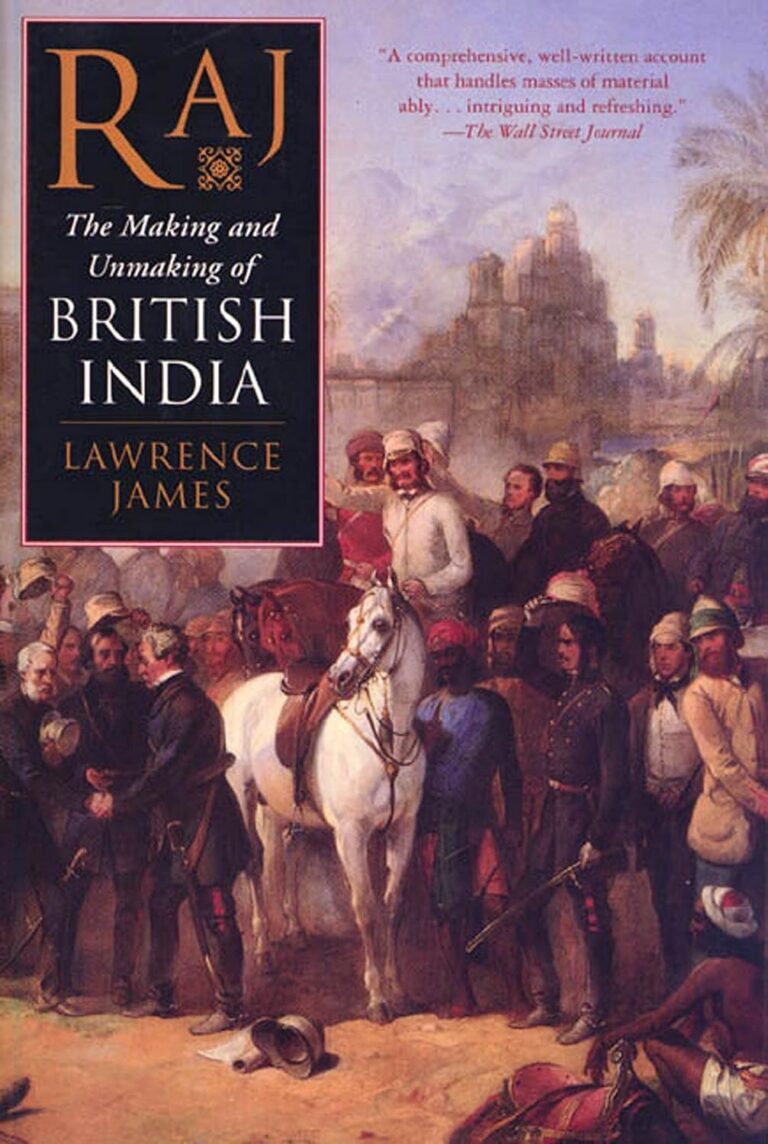
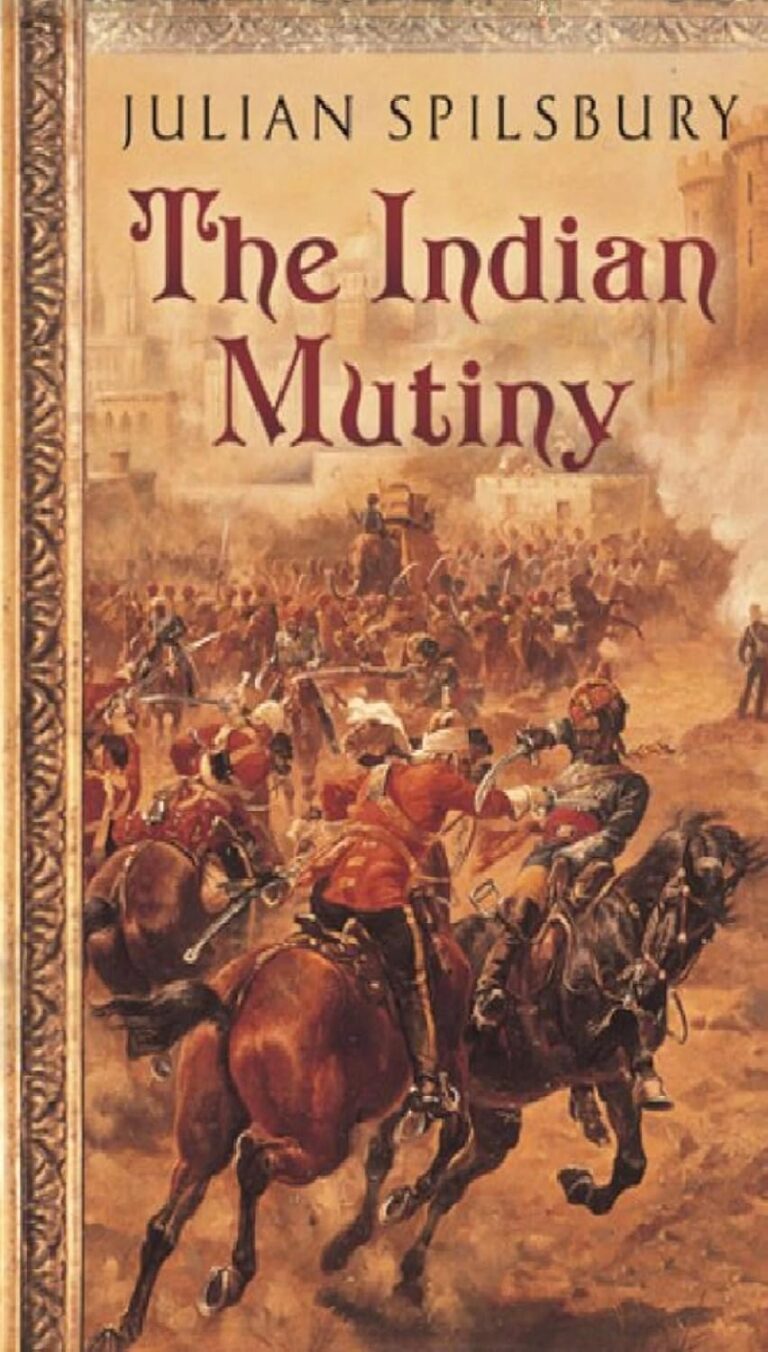
Lawrence James’ Raj also follows Indian rulers and confederacies that resisted or negotiated with the Company, including Tipu Sultan and Ranjit Singh, before annexation and reform under Dalhousie helped create the tensions that erupted in the rebellion of 1857. In Amarpal Singh’s The Second Anglo-Sikh War, the siege of Multan is placed within the broader spread of resistance led by Sher Singh and Chattar Singh Attariwalla, and within the political calculations of Frederick Currie, the Lawrence brothers and Governor-General Dalhousie. Singh then follows Hugh Gough's northern campaign through Ramnagar, Sadullapur and the costly Battle of Chillianwala, before the fall of Multan released heavy artillery for the decisive victory at Gujrat. Historical accounts that place James Broun-Ramsay, 1st Marquess of Dalhousie in context include Nitish K. Sengupta’s Land of Two Rivers and Julian Spilsbury’s The Indian Mutiny.
Non Fiction
Non Fiction featuring James Broun-Ramsay, 1st Marquess of Dalhousie (4 books)
Biographies, histories and other non-fiction are listed separately from the historical novels above.