Non-Fiction
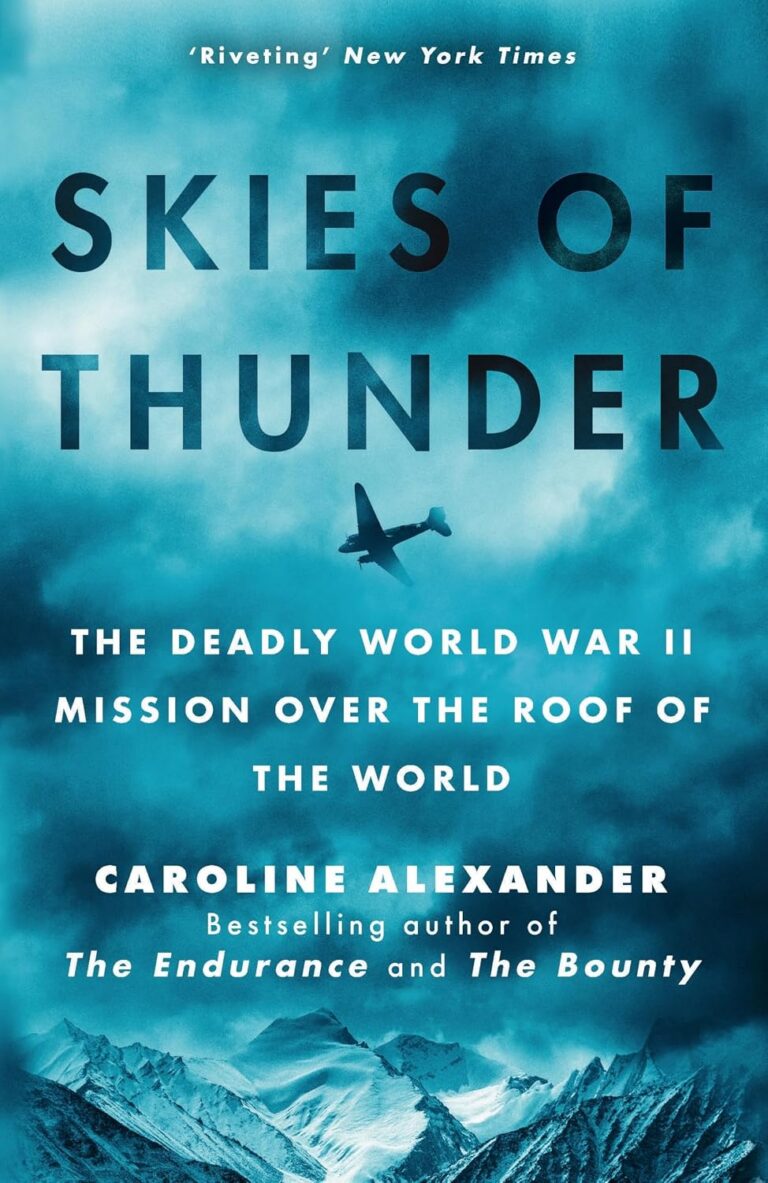
1 Best Non-Fiction Book About China–Burma–India Theater and Hump Airlift
Histories, biographies and reference works are listed separately from the historical novels above.

As an Amazon Associate I earn from qualifying purchases. Affiliate disclosure.
Phase
1942–1945 CE
After Japanese forces overran most of Burma in 1942, the Burma Road was cut and the Allies lost their principal overland supply route to Nationalist China. American forces under Joseph Stilwell operated across India, Burma and China while British, Indian and Chinese armies fought to recover Burma and keep China in the war against Japan.
Until a land route could be reopened, aircraft carried men and supplies from northeastern India across the mountains and severe weather of the eastern Himalayas to bases in southwestern China. The route became known as the Hump. Crews faced monsoon storms, icing, poor maps, primitive navigation, mechanical failures and Japanese air activity, producing heavy losses as the airlift expanded into a major logistical operation.
The theater also encompassed the rival Allied strategies associated with Chiang Kai-shek, Franklin D. Roosevelt, Winston Churchill and Joseph Stilwell, as well as campaigns by formations such as the Chindits and Merrill’s Marauders. In October 1944 the American CBI command was divided into separate China and India–Burma theaters, but the Hump airlift and the campaign to sustain China continued through the final year of the war.
Non-Fiction
Histories, biographies and reference works are listed separately from the historical novels above.