Reginald Dyer was the British Indian Army officer who ordered troops to fire on the crowd at Jallianwala Bagh in Amritsar on 13 April 1919. He examines the roles of Dyer and Punjab lieutenant-governor Michael O’Dwyer, the martial-law regime that followed, and the way fear of another 1857-style rebellion helped turn local unrest into an imperial catastrophe with lasting consequences for Indian nationalism and British rule.
Dyer’s order to fire at Jallianwala Bagh made him the central military figure in the Amritsar Massacre and one of the most controversial officers in the history of the British Raj.
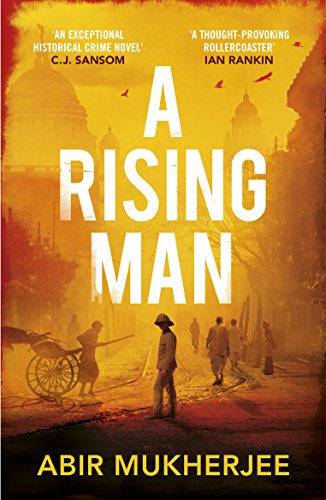
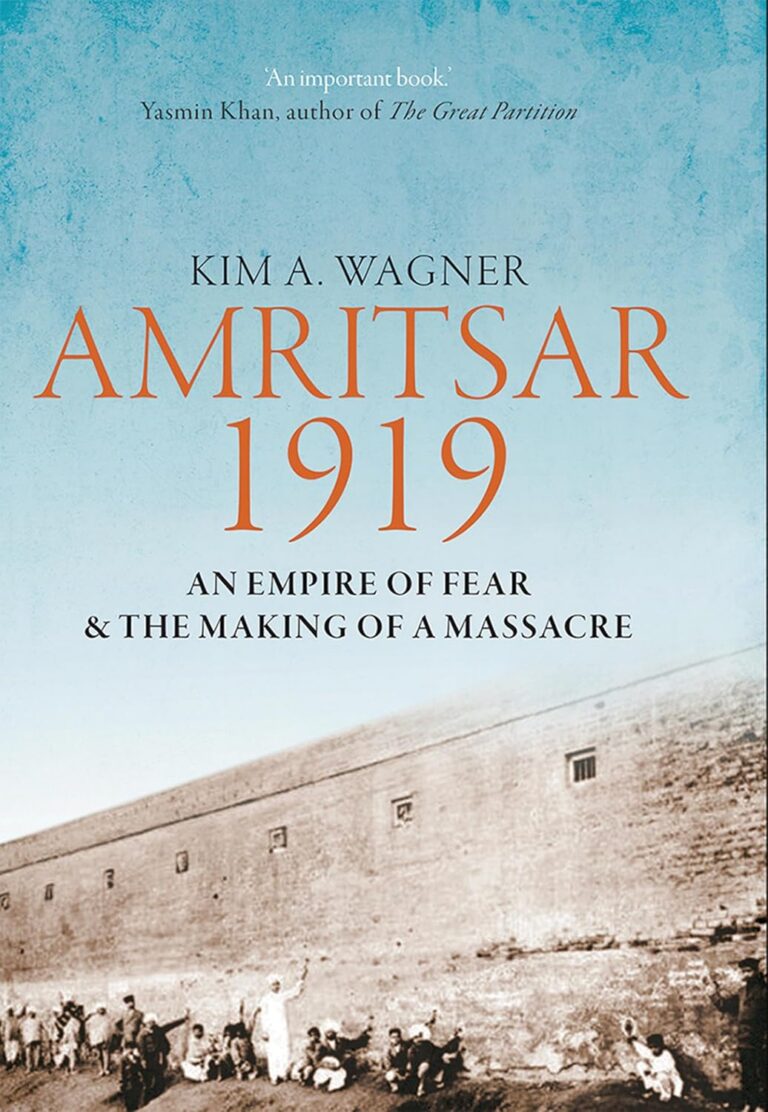
Kim A. Wagner’s Amritsar 1919 reconstructs the crisis in Amritsar in the spring of 1919, following the Rowlatt legislation, nationalist protest and the arrest of local leaders Saifuddin Kitchlew and Satyapal. He traces the violence of 10 April, Brigadier-General Reginald Dyer’s arrival in the city and the gathering at Jallianwala Bagh on 13 April, where troops opened fire on an unarmed crowd during the Baisakhi festival. Abir Mukherjee’s A Rising Man places Reginald Dyer in the novel’s immediate political background through news of the Jallianwala Bagh massacre, whose shock reaches Calcutta while Sam Wyndham investigates his murder case.