Muhammad Ali was an Ottoman Albanian officer who became governor of Egypt in 1805 and founded the dynasty that ruled the country into the twentieth century. He consolidated power after the French occupation and weakened rival Mamluk elites.
Muhammad Ali created a conscript army, expanded state control of agriculture and industry, and pursued military campaigns in Arabia, Sudan, Greece and Syria. His challenges to the Ottoman sultan nearly produced an independent empire, and his reforms made him a central figure in the formation of modern Egyptian state institutions.
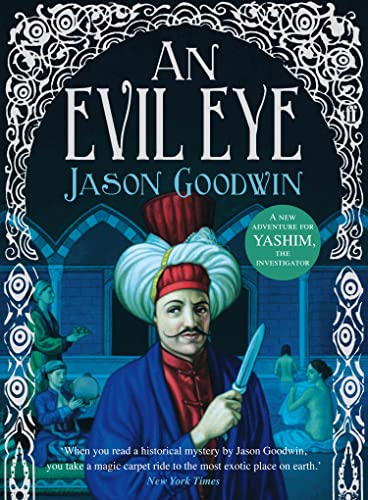
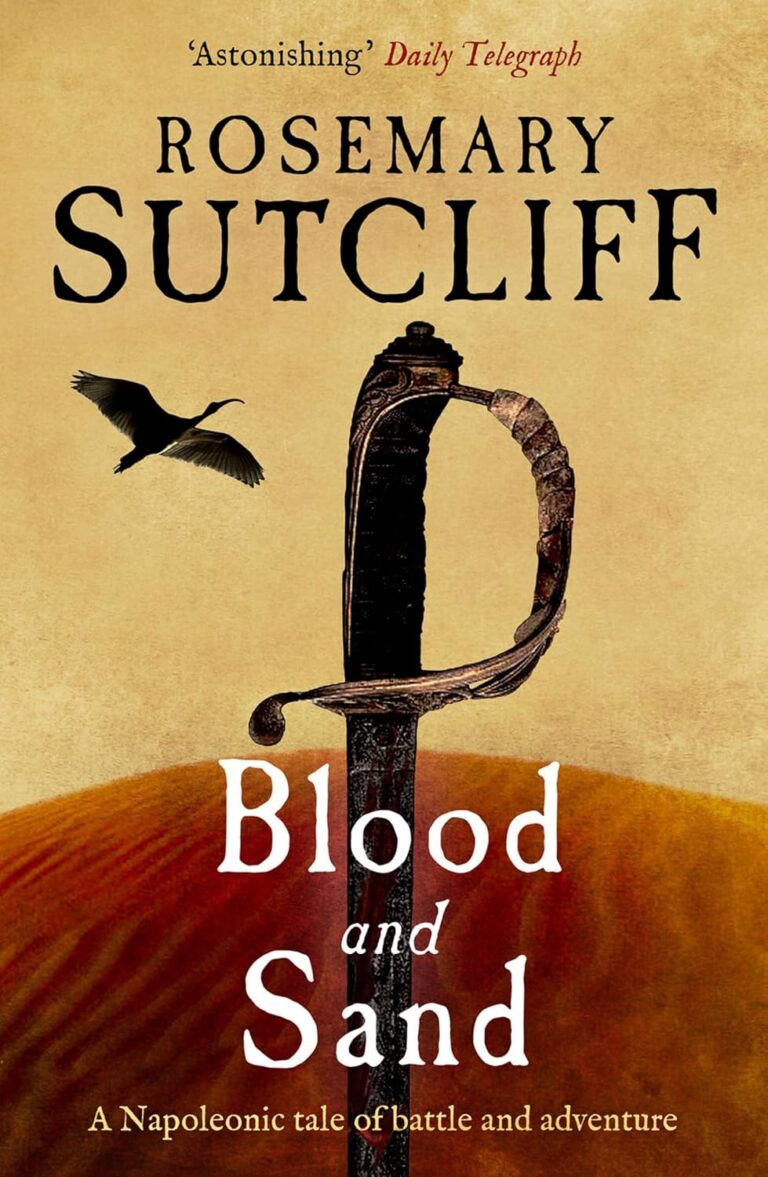
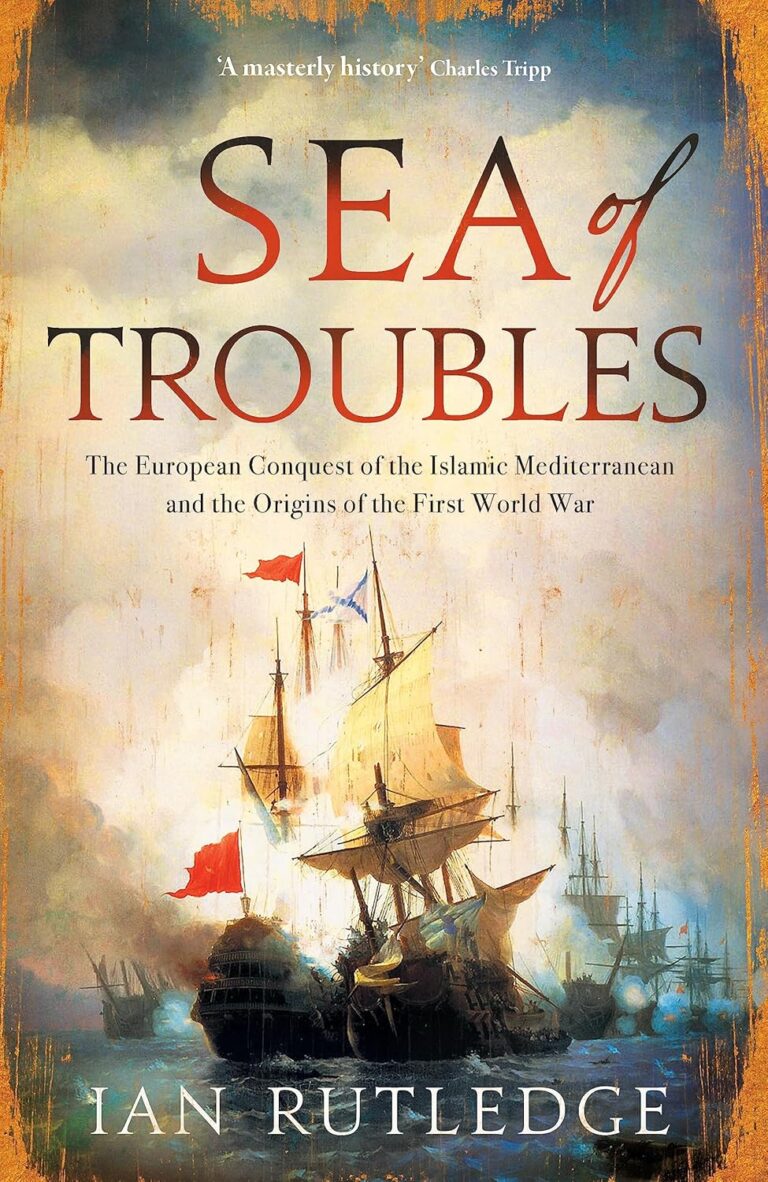
In Jason Goodwin’s An Evil Eye, the admiral once trained Yashim and remains the one man he truly fears. Yashim is ordered to determine why a servant of the dynasty would hand the empire’s ships to Muhammad Ali of Egypt at a moment of military and political weakness. Ian Rutledge’s Sea of Troubles traces the erosion of Ottoman and North African sovereignty from the mid-eighteenth century to the end of the First World War. Ian Rutledge begins with the economic and political structures of the Ottoman Mediterranean, Morocco and the Barbary regencies before following Russian expansion, Napoleon’s invasion of Egypt, the French conquest of Algeria and the struggles of Mahmud II and Muhammad Ali. Later chapters examine Suez, foreign debt, European financial control and the occupations or attempted partitions of Morocco, Bosnia-Herzegovina, Libya and the Balkans. In Rosemary Sutcliff’s Blood and Sand, Egypt, 1807.