Leonardo trained in Florence and worked for patrons in Florence, Milan, Rome and elsewhere, producing paintings, anatomical studies, engineering designs and extensive notebooks. In 1516 he entered the service of Francis I and lived at Clos Lucé near Amboise until his death in 1519.
The illegitimate son of a Tuscan notary, Leonardo trained in Andrea del Verrocchio’s workshop in Florence before establishing an independent career. His surviving paintings include The Last Supper and the Mona Lisa, while his notebooks record sustained investigations of anatomy, mechanics, hydraulics, optics and flight. Much of this technical work remained unpublished, but it demonstrates the unusually broad range of observation behind his artistic practice.
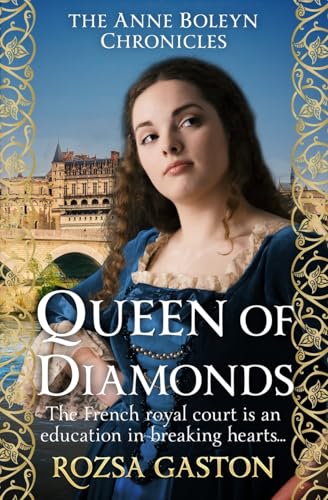
Rozsa Gaston’s Queen of Diamonds brings Leonardo da Vinci into the French court seen by the young Anne Boleyn, where his presence exemplifies the artistic and intellectual brilliance surrounding Francis I and Queen Claude. Christian Cameron’s Tom Swan and the Last Spartans: Part Five connects Leonardo to Tom Swan’s world of Renaissance scholars, courts and secret knowledge, using the older master’s reputation and work as part of the intellectual stakes surrounding the series’ final conspiracy.