Joseph is a central figure in the Book of Genesis, presented as one of the twelve sons of Jacob and the firstborn of Rachel. Favoured by his father and marked out by dreams suggesting future prominence, he arouses the hostility of his brothers, who sell him into slavery. Taken to Egypt, Joseph rises from enslavement and imprisonment after successfully interpreting dreams and is eventually appointed to high administrative authority under Pharaoh.
The Genesis narrative uses Joseph’s career to explain how Jacob’s family came to settle in Egypt and to explore providence, reconciliation and survival during famine. Joseph stores grain during years of plenty, later encounters the brothers who betrayed him and ultimately forgives them after testing their conduct. Unlike later historical figures, Joseph cannot be securely dated from independent contemporary evidence; proposed second-millennium BCE chronologies belong to religious and historical reconstruction rather than established biography.
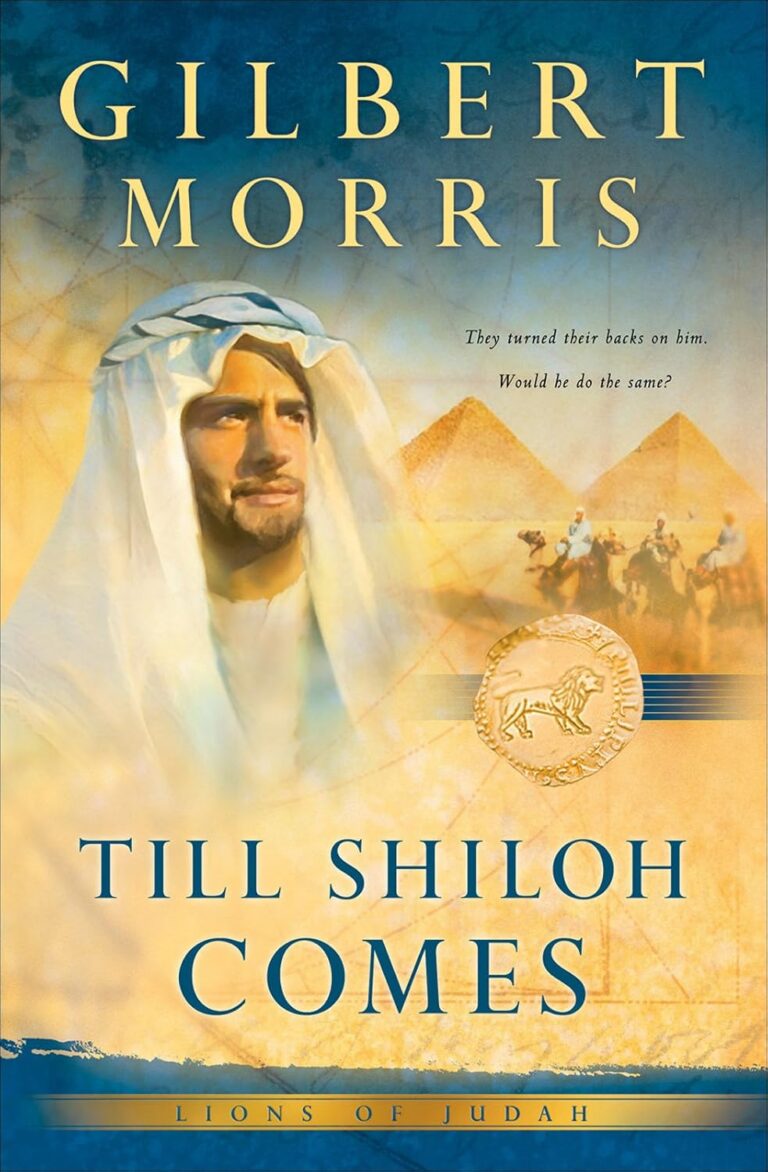
Angela Hunt’s Brothers makes Joseph’s encounter with the brothers who sold him the central test of whether power will lead to vengeance or reconciliation. Dreamers imagines his years in Potiphar’s household and prison through the perspective of an enslaved Egyptian woman who recognises his faith and gift for dreams. Hunt’s Journey follows the family migration and upheaval that eventually carry Joseph into Egypt and prepare the later reunion. Anita Diamant’s The Red Tent places Joseph within Dinah’s extended family story, shifting attention from the patriarchs to the women around Jacob’s household. Gilbert Morris’ Till Shiloh Comes retells the Joseph cycle directly, contrasting Jacob’s favour for Joseph with the promise attached to Judah and the rivalries among the twelve brothers.