c. 1511–1536
Sir Francis Weston (c. 1511–1536) was the son and heir of Sir Richard Weston of Sutton Place, Surrey, and entered the royal household while still young. He served as a page and later as a gentleman of Henry VIII’s privy chamber, belonging to the fashionable group of courtiers who hunted, jousted, gambled and attended closely on the king. Weston was made a Knight of the Bath at the celebrations for Anne Boleyn’s coronation in 1533 and married Anne Pickering, by whom he had a son.
Weston was drawn into the destruction of Anne Boleyn in May 1536 after the queen mentioned him during conversations that were reported to Thomas Cromwell’s investigators. He was accused of adultery with Anne and therefore of treason, but the surviving allegations are thin and some of the indictment dates are demonstrably problematic. Weston was convicted with George Boleyn, Henry Norris, William Brereton and Mark Smeaton and was executed on Tower Hill on 17 May 1536. The rapid investigation and weak evidential record have made his guilt highly doubtful to many modern historians.
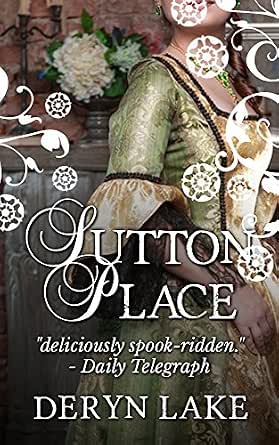
Deryn Lake’s Sutton Place makes Francis Weston one of the central members of the Weston family and connects his court career and execution to the long history of the family estate. The novel treats him as a victim of the case against Anne Boleyn and gives personal shape to events for which the historical record is fragmentary. His service at court and execution are historical; private conversations, motives and the novel’s wider family drama are reconstructed.