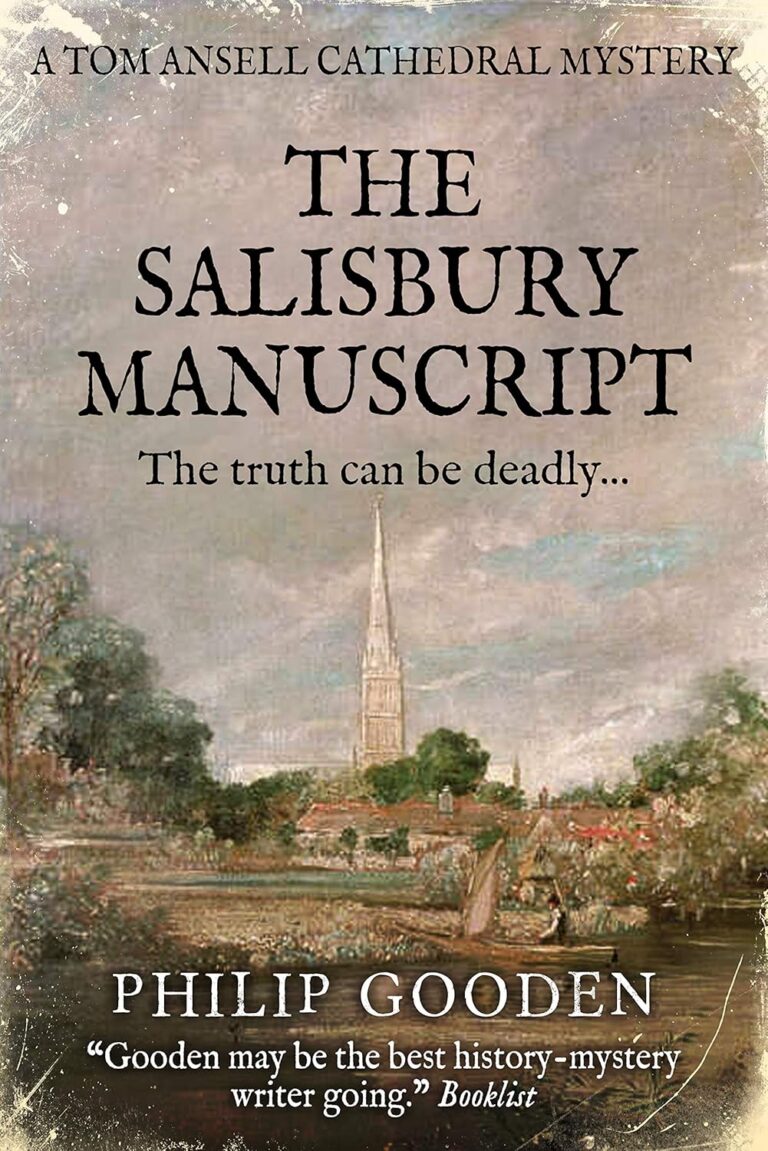
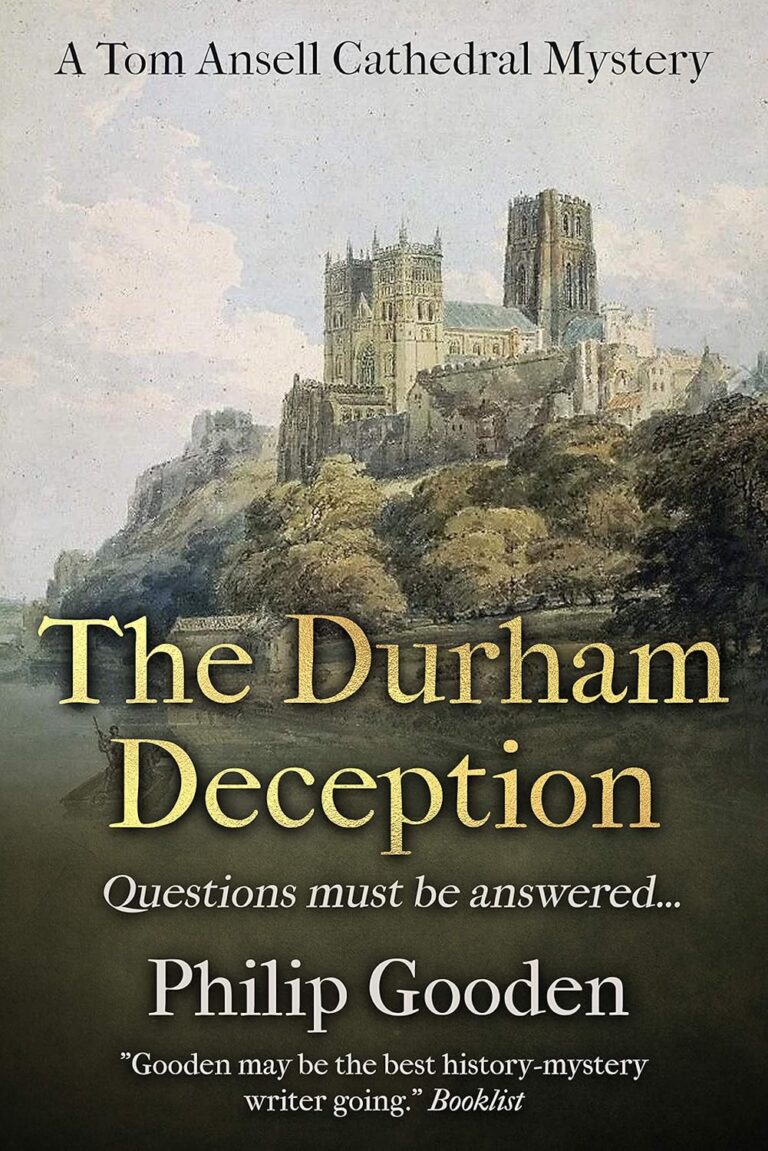
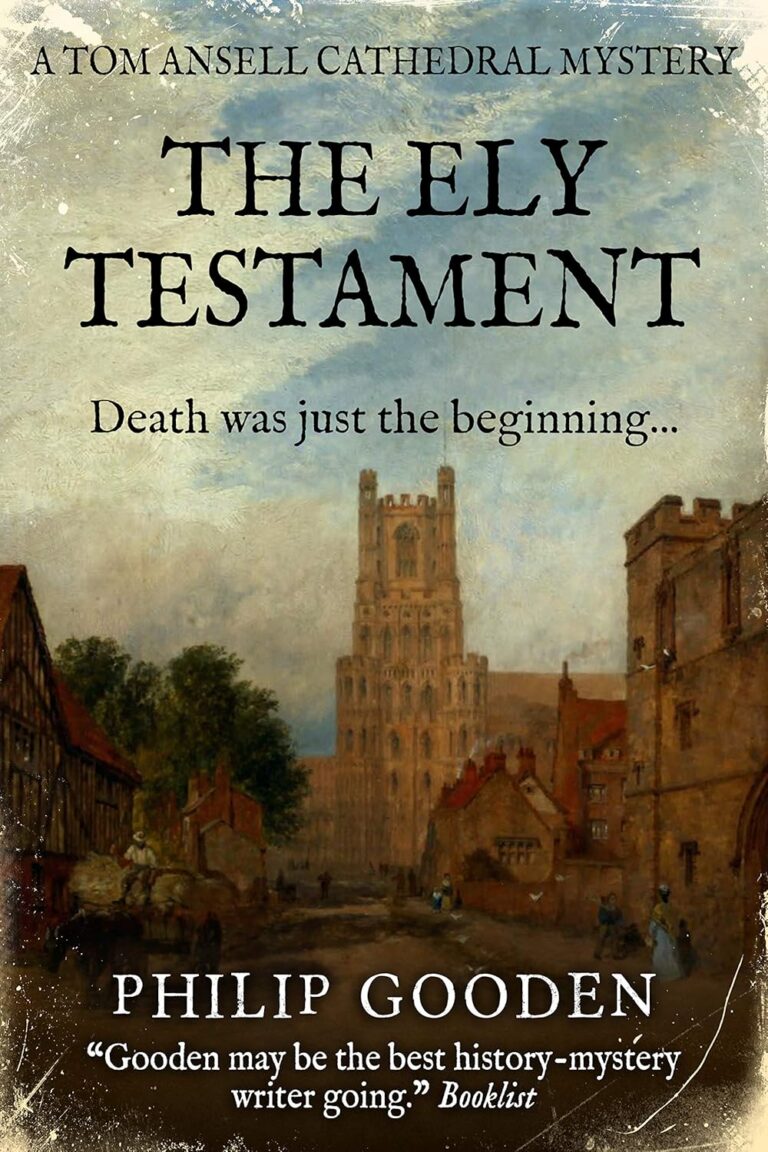
Victorian cathedral towns in the mid-1870s brought old ecclesiastical institutions into contact with a rapidly changing professional society. Salisbury, Durham and Ely retained cathedral chapters, clerical households and inherited local hierarchies, but railways allowed lawyers, journalists, tourists and performers to arrive quickly from London and to carry local disputes into a wider public sphere.
Antiquarian excavation, manuscript collecting and family archives offered new ways to interpret the past while also creating markets for forged evidence and concealed inheritance. Spiritualism, stage magic and popular science competed for authority in drawing rooms and public halls. Provincial newspapers could turn private scandal, suspicious death or religious controversy into national attention.
The series uses legal investigation and marriage as links between cathedral communities, industrial towns and university culture, showing how respectable institutions could shelter fraud, coercion and violence while claiming to defend tradition.