Books
Phase
Gothic Fiction Boom
1764–1820 CE
The Gothic fiction boom began with Horace Walpole’s The Castle of Otranto in 1764 and grew through writers such as Ann Radcliffe, Matthew Lewis and Mary Shelley. It drew on ruins, monasteries, tyrants, hidden documents, family secrets and psychological terror. The genre became one of the most popular forms of late Georgian reading.
Gothic fiction mattered because it gave readers a way to explore fear, desire, confinement, inheritance and power. It also reflected anxieties about religion, aristocracy, sexuality and the past. Its influence reached into Romantic literature, sensation fiction and modern historical thrillers.
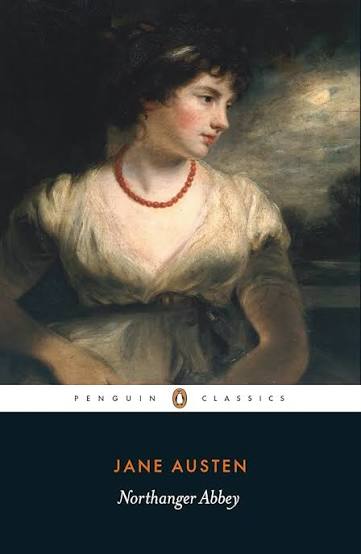
Jane Austen’s Northanger Abbey famously responds to Gothic reading culture, while Mary Shelley’s Frankenstein transformed the Gothic into something more philosophical and modern. Ann Radcliffe’s The Mysteries of Udolpho and Matthew Lewis’s The Monk remain key reference points for Georgian literary history. Historical novels and series can use this world through writers, publishers, circulating libraries, forged manuscripts and young readers shaped by terrifying books.