

Book
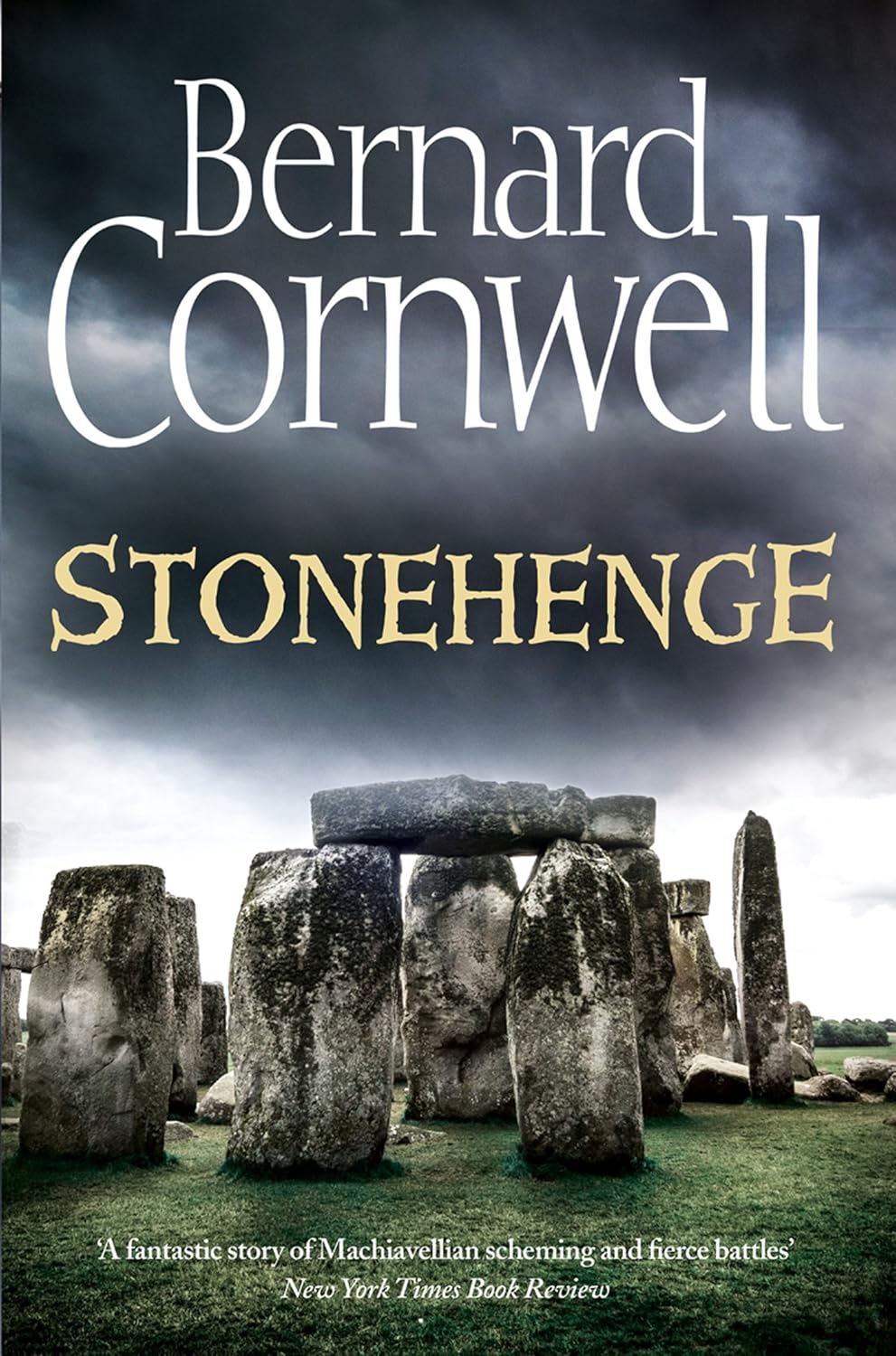
Stonehenge
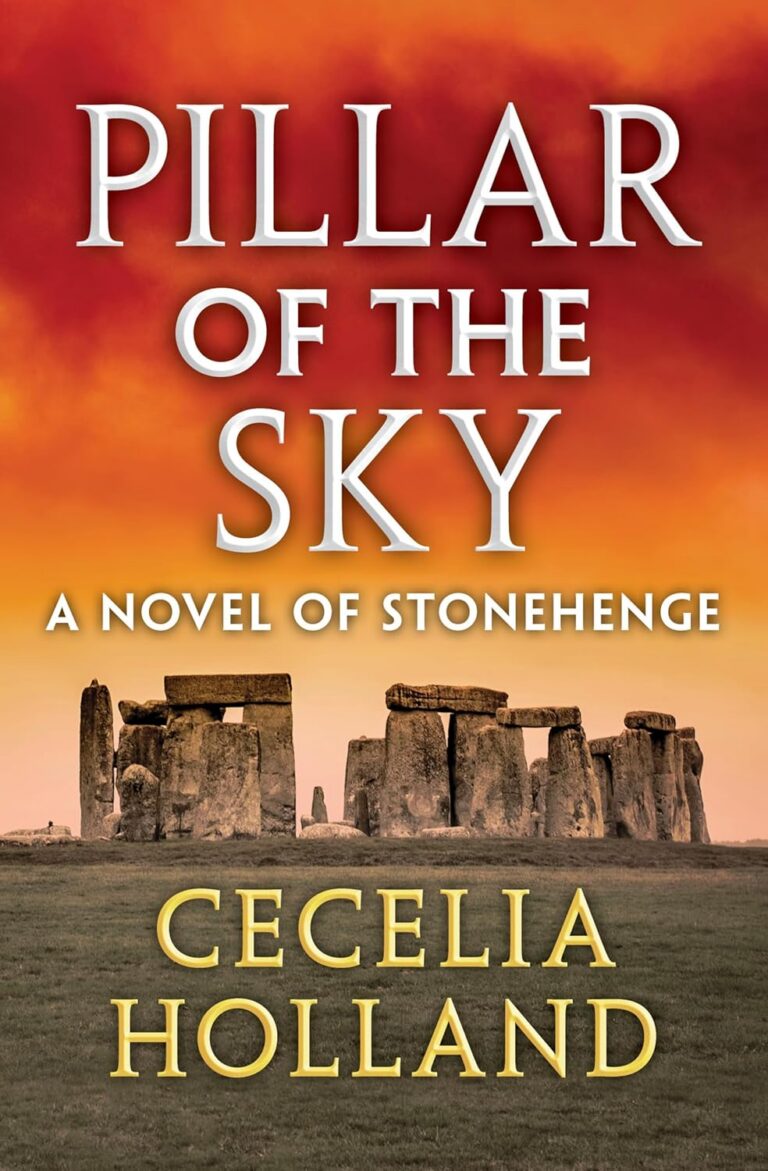
In prehistoric Britain, three brothers become rivals after violence changes the leadership of their community. Their conflict expands into a struggle over trade, belief and authority as one brother conceives a vast sacred monument intended to bind scattered peoples to a new religious centre.
The novel imagines the labour, ritual and political coercion behind the construction of Stonehenge. Through farmers, priests, warriors and slaves, it explores how communal ambition and personal power might have produced one of Neolithic Britain’s most enduring monuments.
The monument grows from practical labour as well as belief. Moving timber and stone, securing food for large workforces and maintaining alliances require cooperation across communities that do not share the brothers’ personal ambitions. Cornwell therefore presents Stonehenge as the product of political organisation and collective effort, while leaving its sacred meaning rooted in the fictional society that builds it.
Historical Periods
More from this period
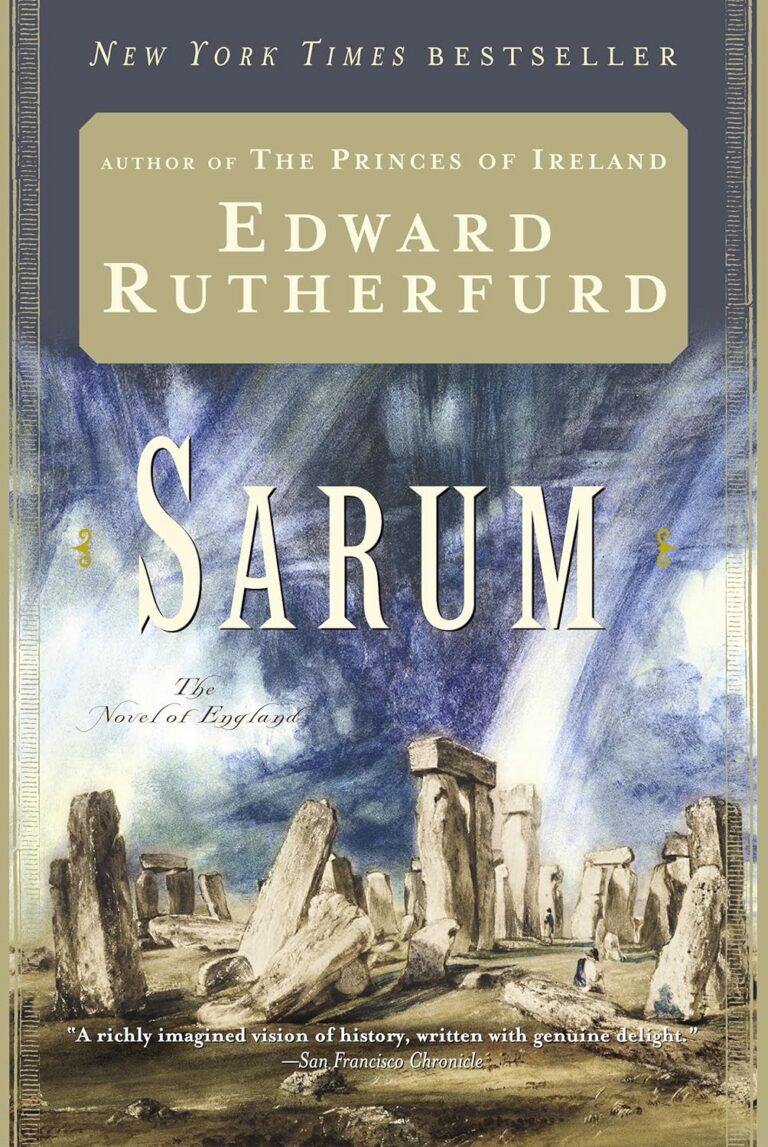
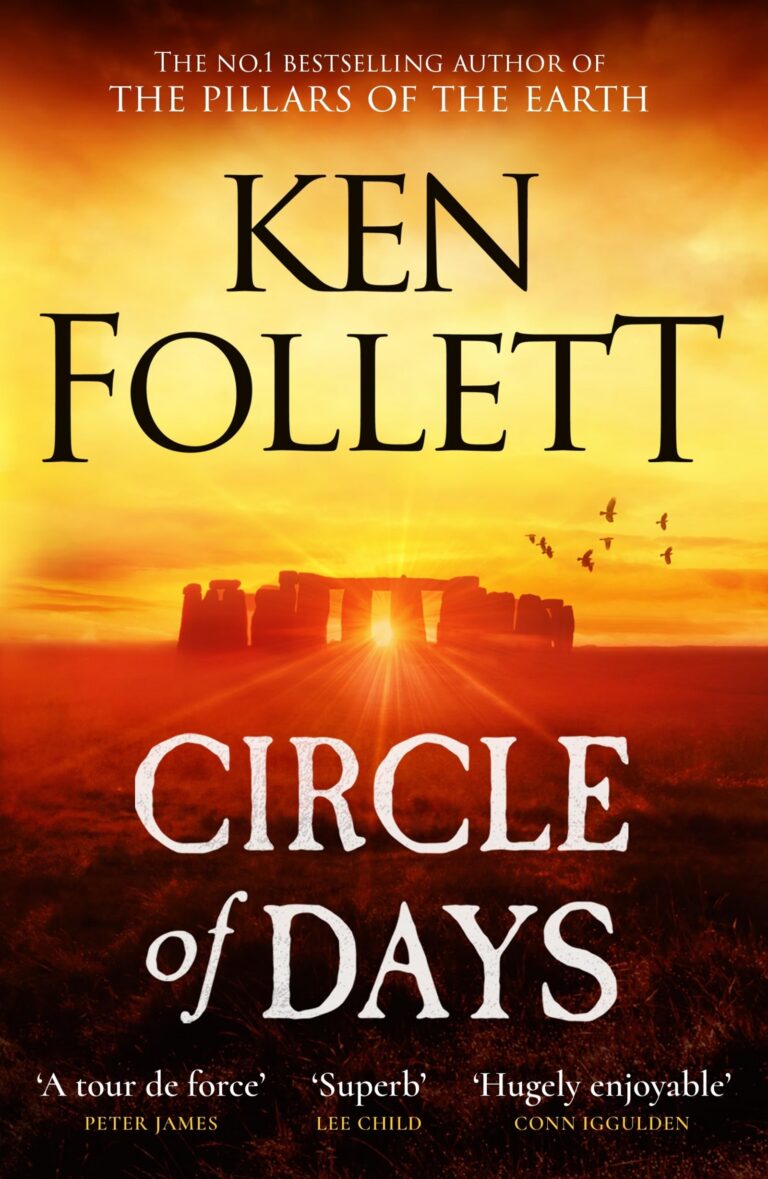
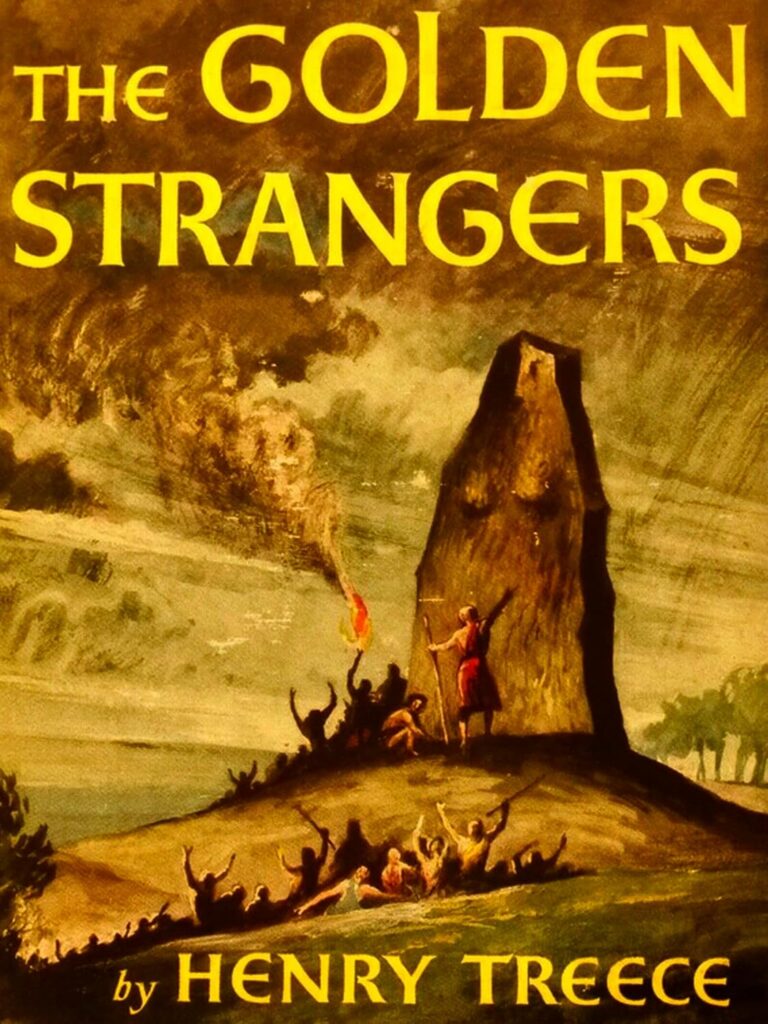
5 more top-rated novels about Construction of Stonehenge
Ranked by rating and voting volume; books already shown on this page are omitted.
More by the author
Other books by Bernard Cornwell







Discover more
Authors similar to Bernard Cornwell
Recommended from shared genres and periods.
 Paul Bannister
16 books
Paul Bannister
16 books
 G. A. Henty
80 books
G. A. Henty
80 books
 Henry Treece
35 books
Henry Treece
35 books
 Geoffrey Trease
44 books
Geoffrey Trease
44 books
 Ken Follett
16 books
Ken Follett
16 books