
Book
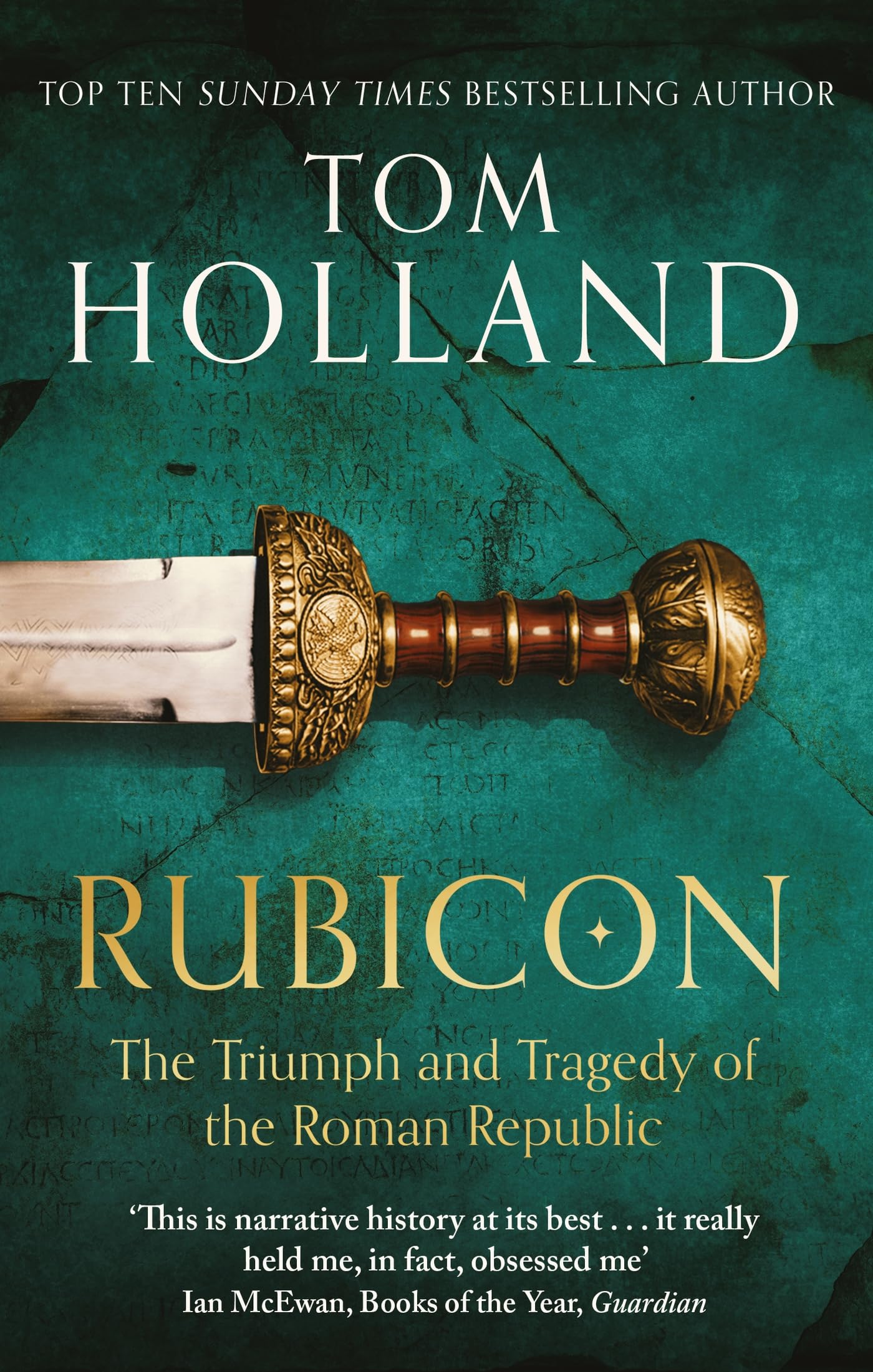
Rubicon
Rubicon traces the final decades of the Roman Republic, when conquest, wealth and political competition overwhelmed institutions designed for a city-state. Holland follows figures including Marius, Sulla, Pompey, Crassus, Cicero and Julius Caesar as civil violence and personal armies reshape public life. The narrative culminates in Caesar’s crossing of the Rubicon and the civil wars that destroyed the old republican order, presenting Rome’s triumph abroad alongside its political collapse at home.
The narrative emphasises that republican collapse was cumulative rather than caused by Caesar alone. Earlier precedents established by Marius, Sulla and competing aristocratic factions made violence, extraordinary commands and personal armies increasingly acceptable political tools. Caesar's crossing of the Rubicon becomes the decisive moment only because decades of institutional strain had already made compromise difficult to sustain.
More by the author
Other books by Tom Holland
Discover more
Authors similar to Tom Holland
Recommended from shared genres and periods.
 Marc Morris