Joseph Kanon is an American novelist best known for historical espionage and political thrillers set during the Second World War, its immediate aftermath and the Cold War. Before becoming a full-time writer he worked as a senior publishing executive, experience that preceded the publication of his first novel, Los Alamos, in 1997. That book won the Edgar Award for Best First Novel and established the combination of historical atmosphere, intelligence work, political ambiguity and moral compromise that has characterised his fiction. Kanon has also received the Hammett Award for Alibi and the Anne Frank Human Writes Award for his writing about the aftermath of the Holocaust. He lives in New York City.
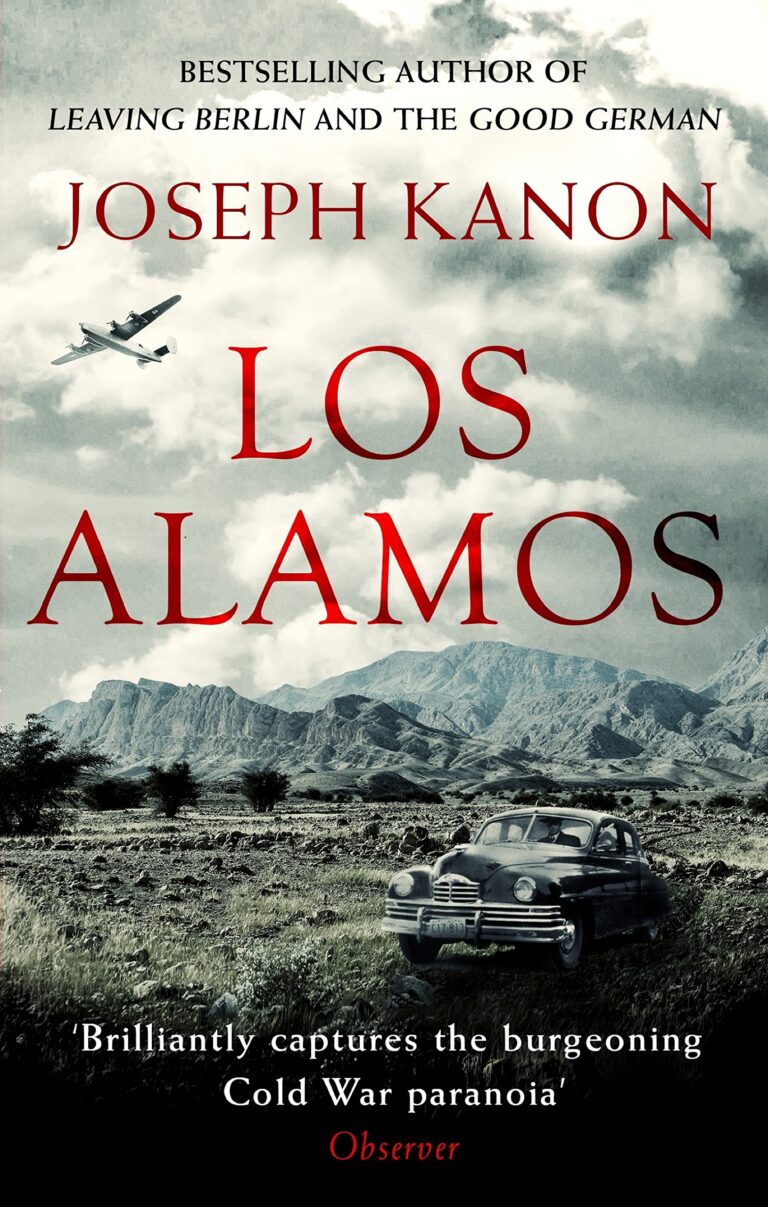
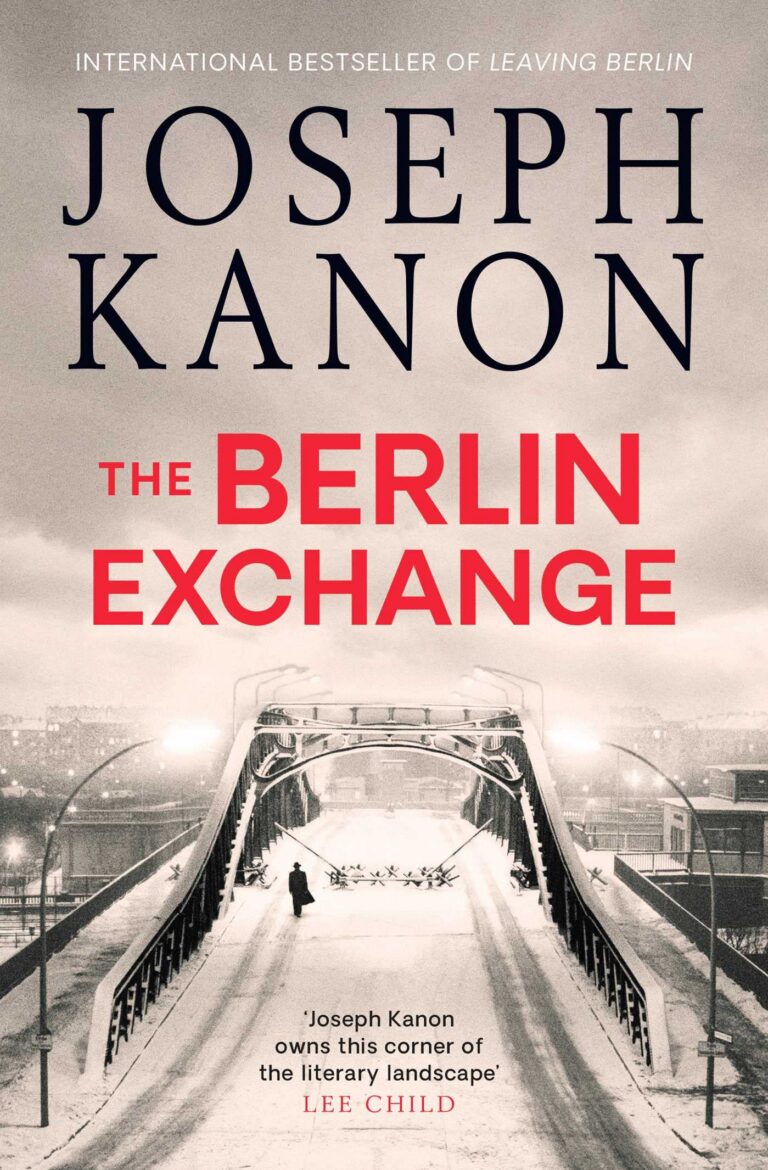
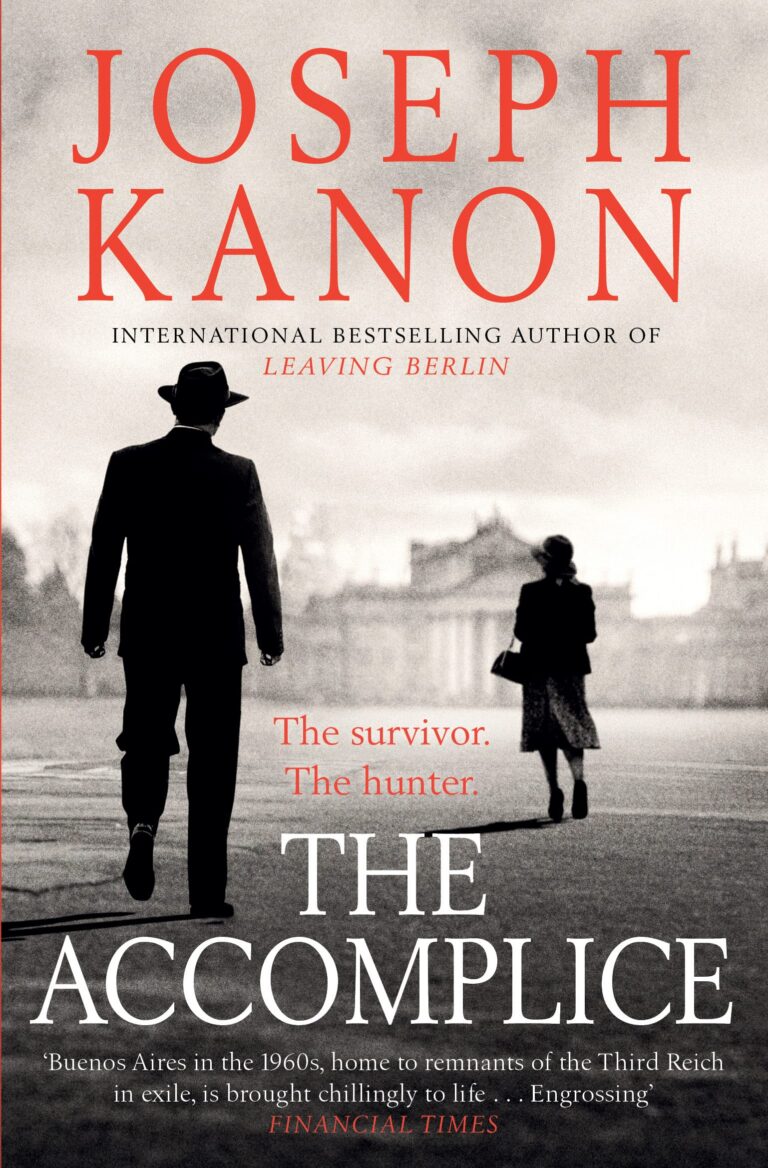
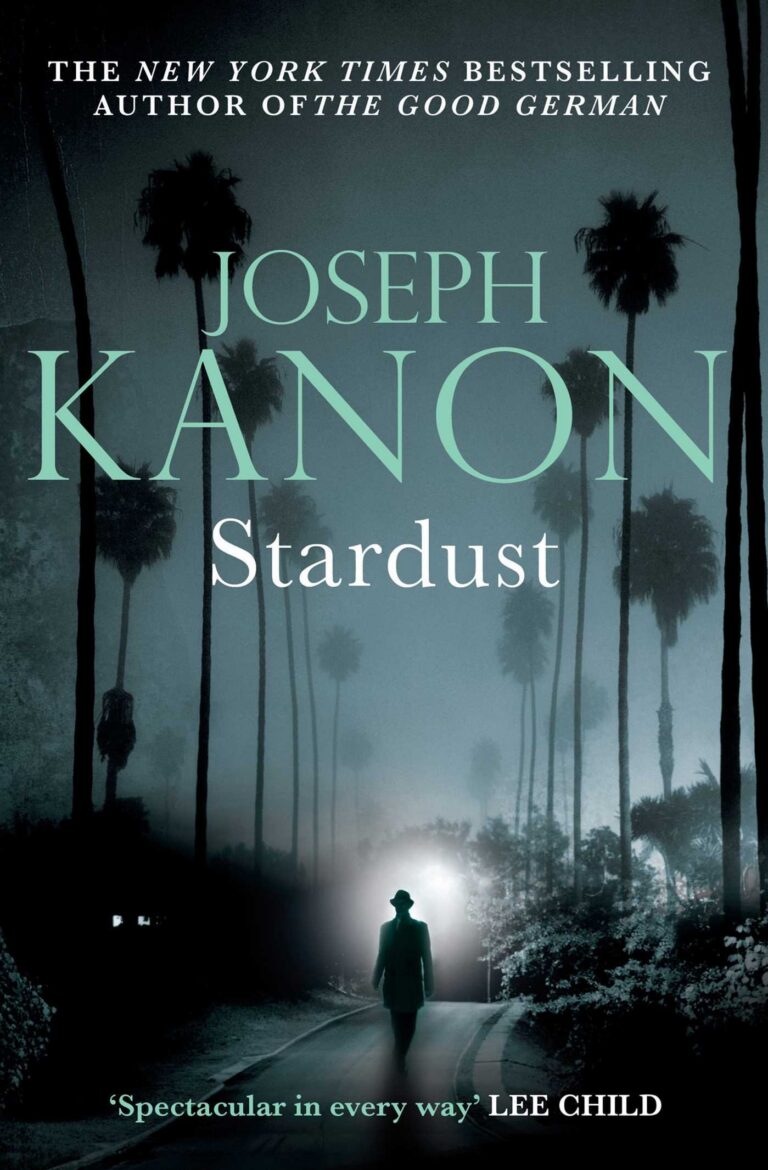
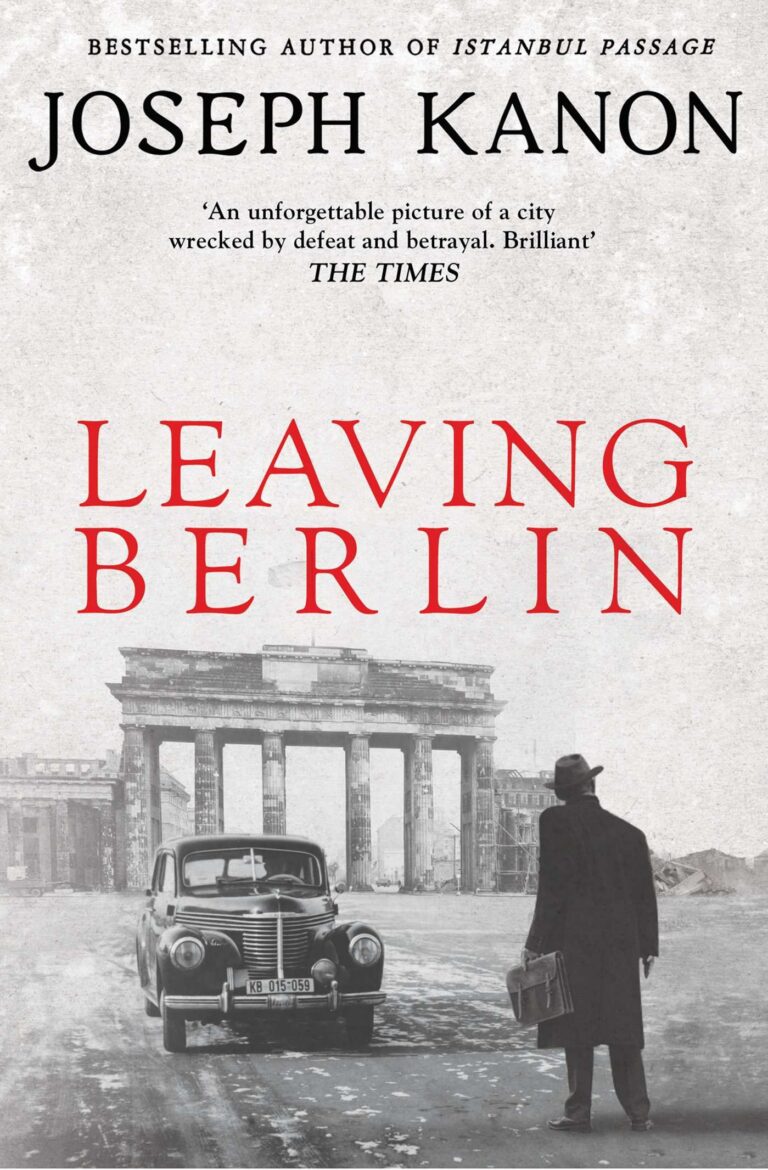
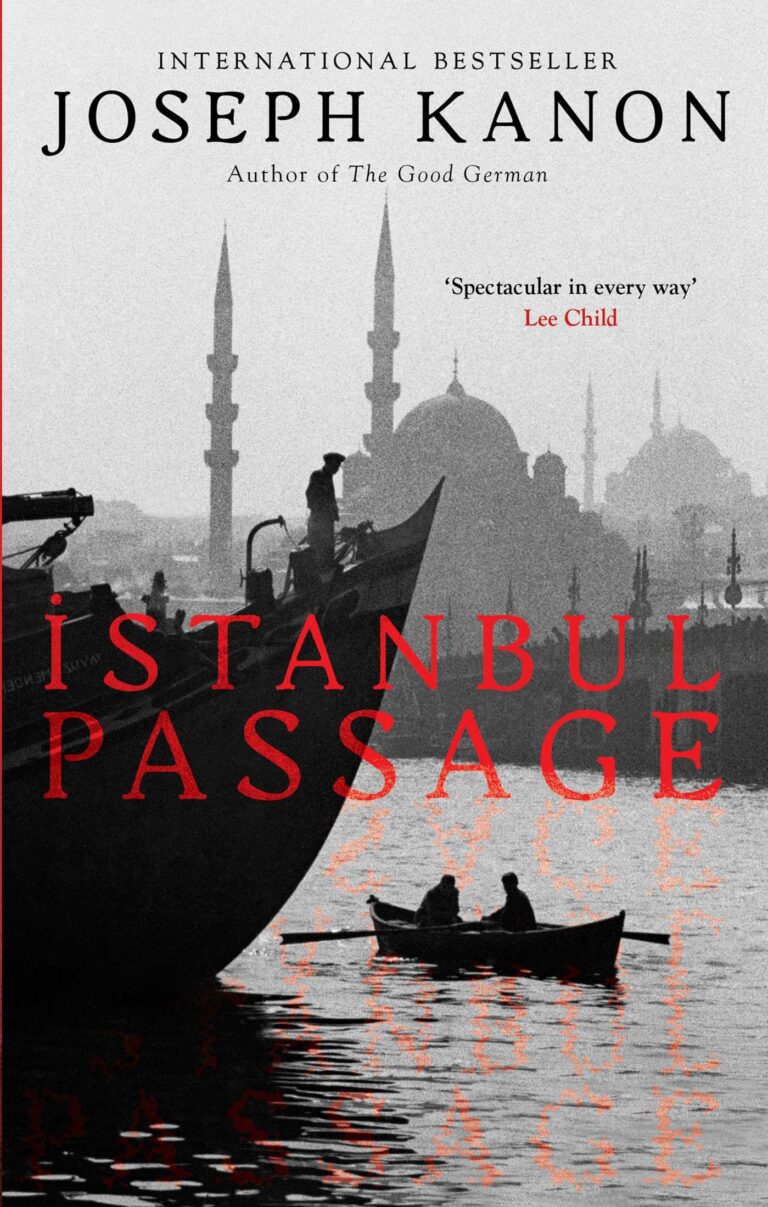
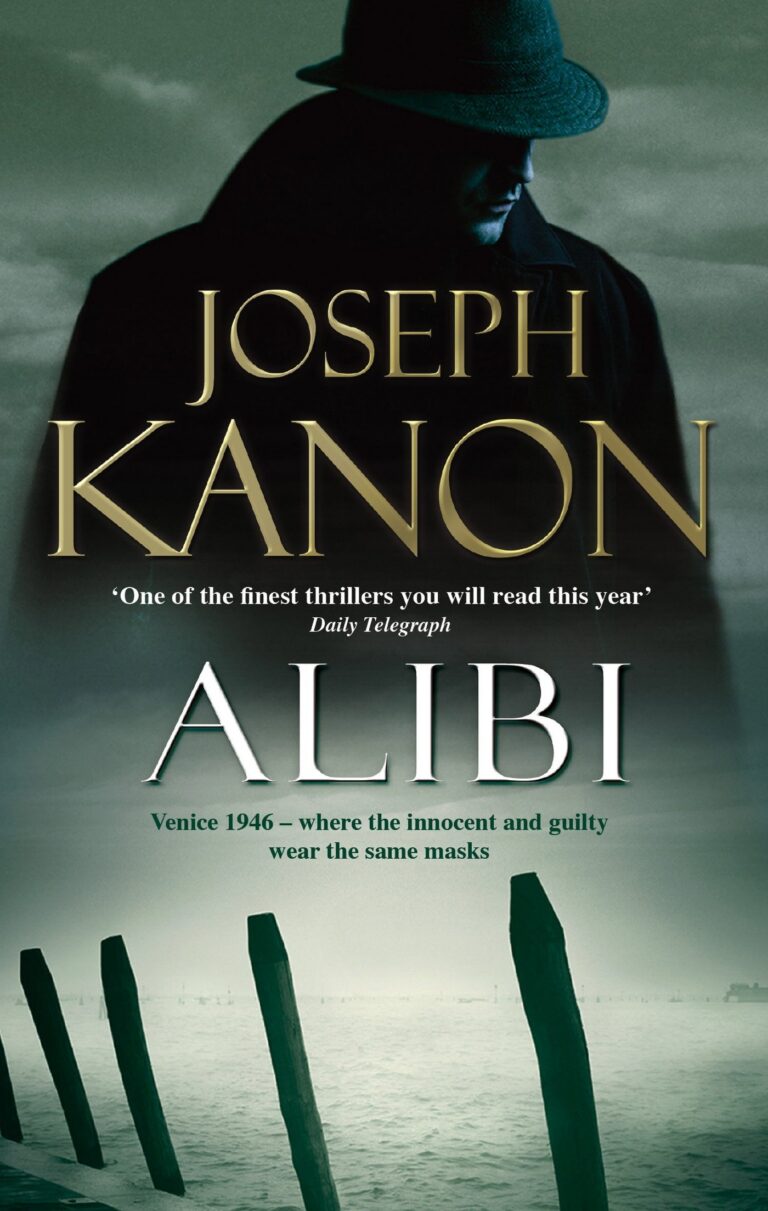
Kanon’s novels repeatedly place fictional protagonists inside moments when the political order is shifting and loyalties are difficult to define. Los Alamos centres on the Manhattan Project; The Good German takes place in occupied Berlin in 1945; Alibi explores post-war Venice; and Stardust combines Hollywood, wartime secrets and the emerging anti-Communist climate. Istanbul Passage, Leaving Berlin, Defectors and The Berlin Exchange move more explicitly into espionage and the Cold War, while The Accomplice follows the pursuit of a former Nazi in Argentina. His 2024 novel Shanghai moves back to 1938, following Jewish refugees escaping Nazi Germany to the international city as war approaches in East Asia. Across these books Kanon treats espionage less as a world of glamorous agents than as a setting for compromised choices, betrayal and the long consequences of war.