Sir Max Hastings (born 1945) is a British military historian, journalist and former newspaper editor whose career has combined frontline reporting with large-scale narrative histories of modern warfare. After leaving Oxford, he worked as a foreign correspondent for BBC television and British newspapers, reporting from more than sixty countries and covering eleven wars, including Vietnam, the 1973 Yom Kippur War and the Falklands War. He later became editor-in-chief of The Daily Telegraph and then editor of the Evening Standard. Hastings was knighted in 2002 and is a Fellow of the Royal Society of Literature. His journalism gives much of his historical writing a strong emphasis on eyewitness testimony, individual experience and the practical realities of combat rather than strategy alone.
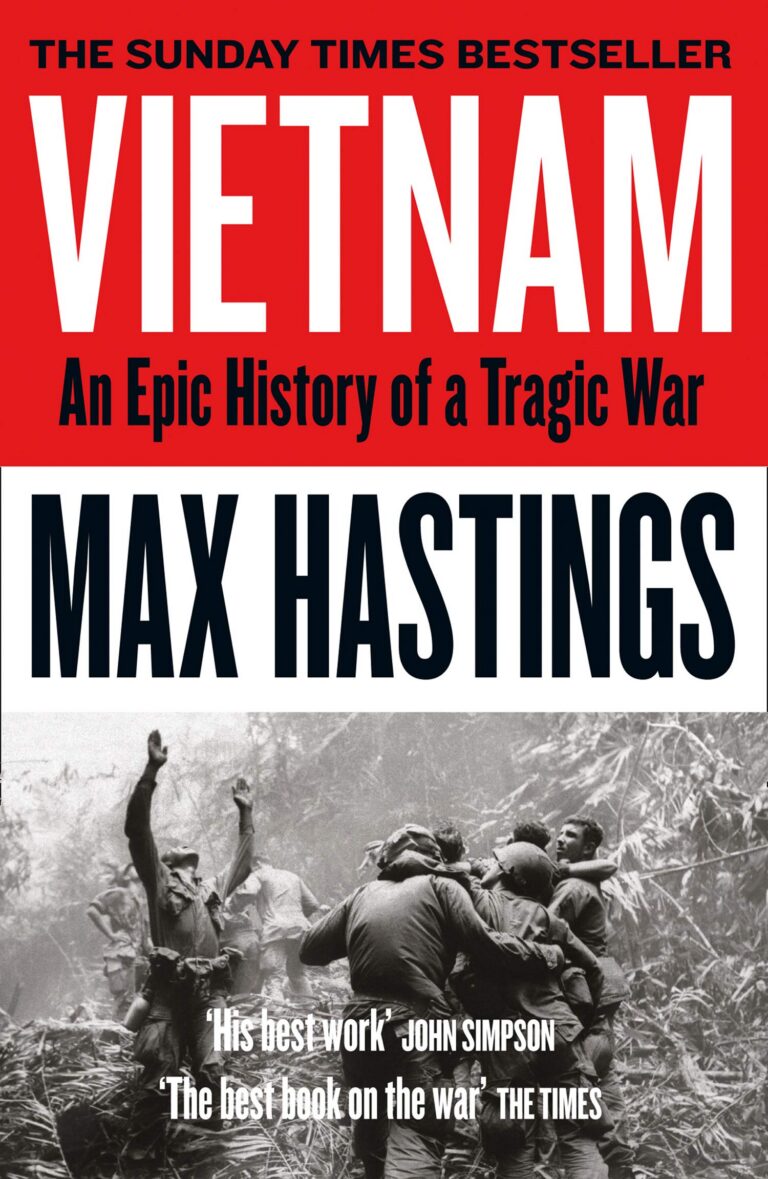
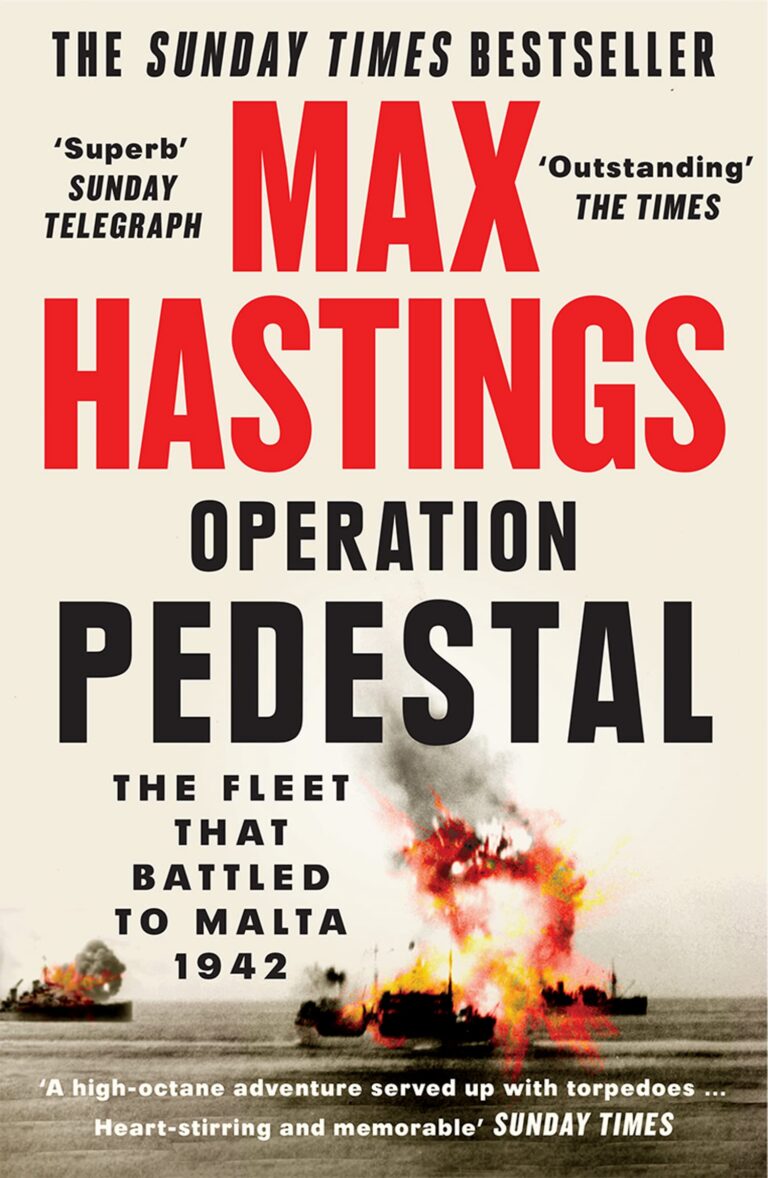
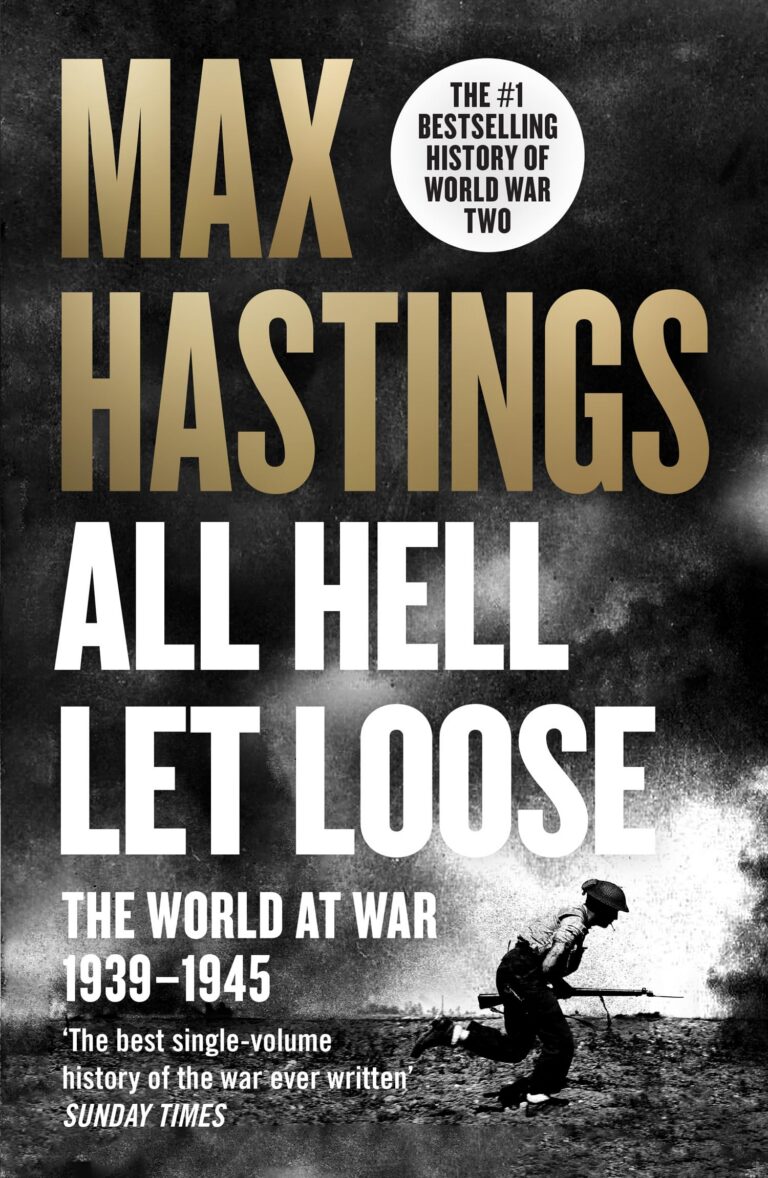
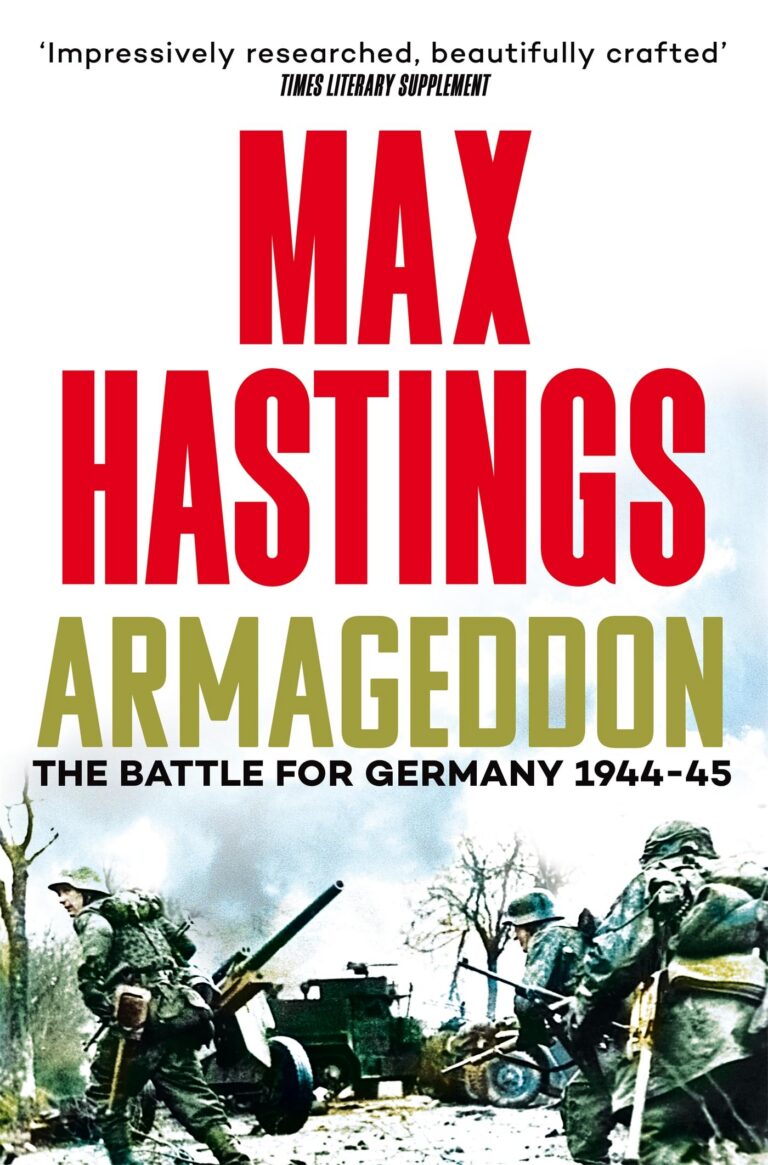
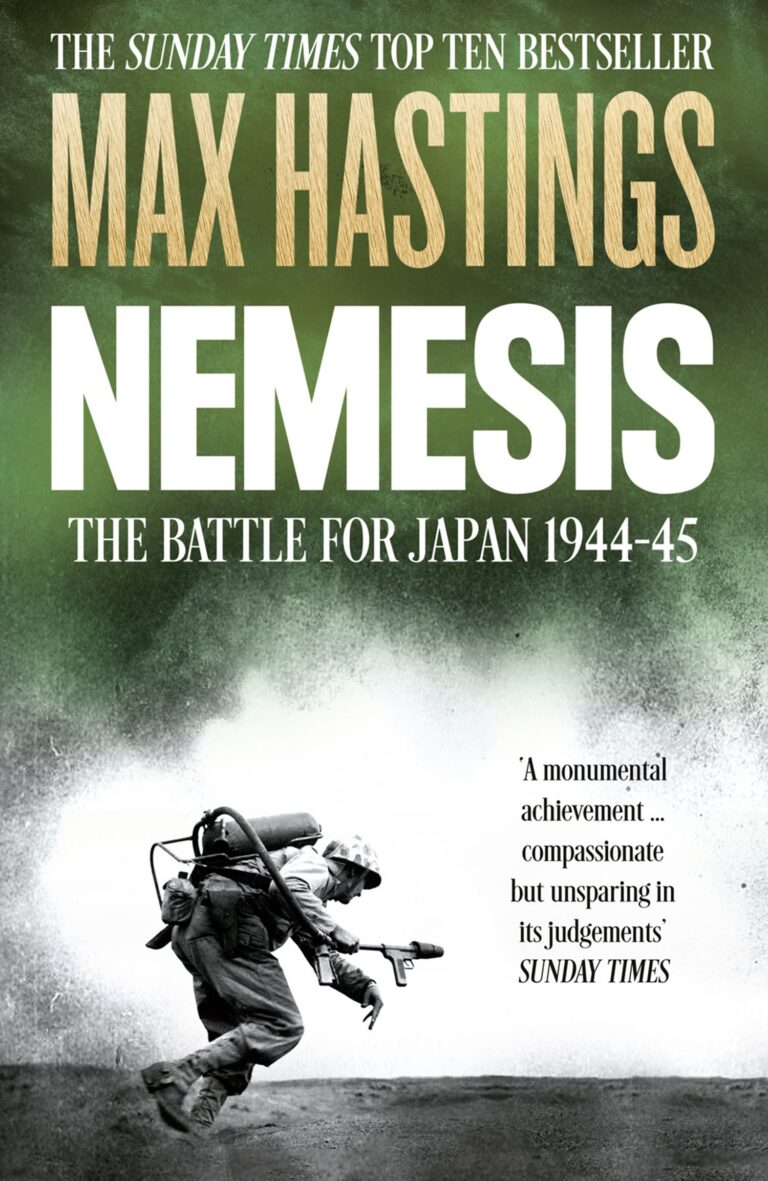
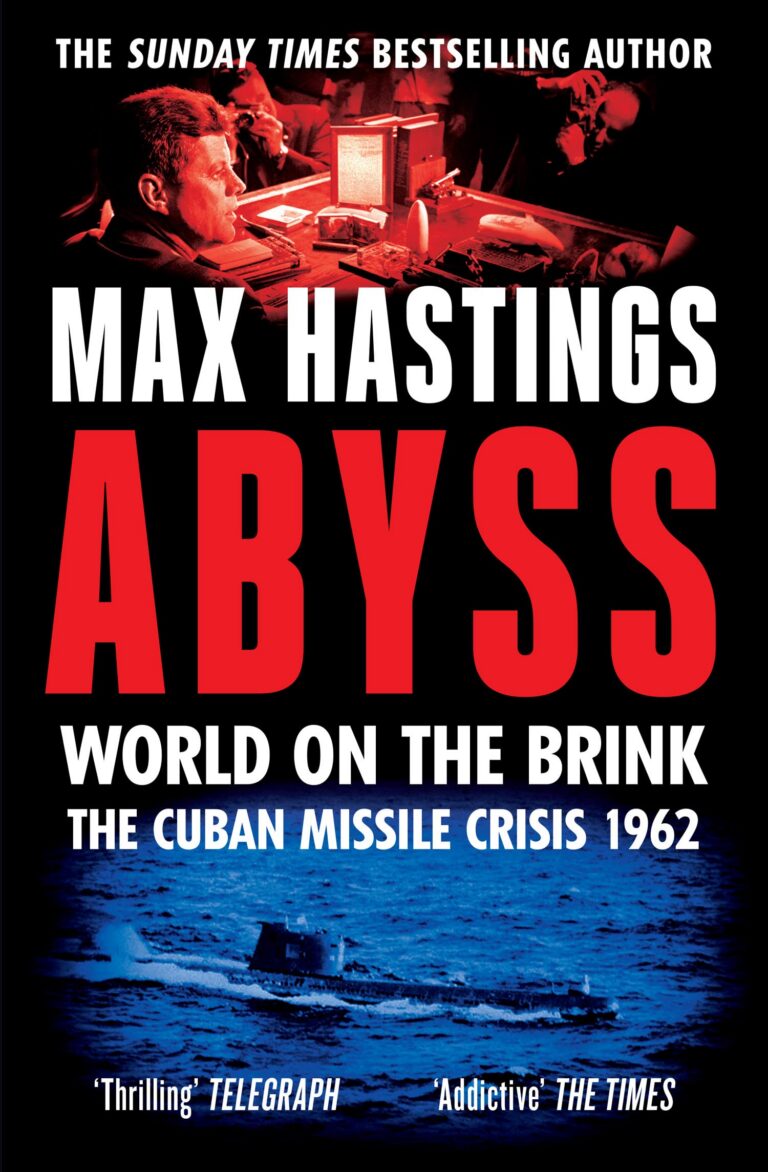
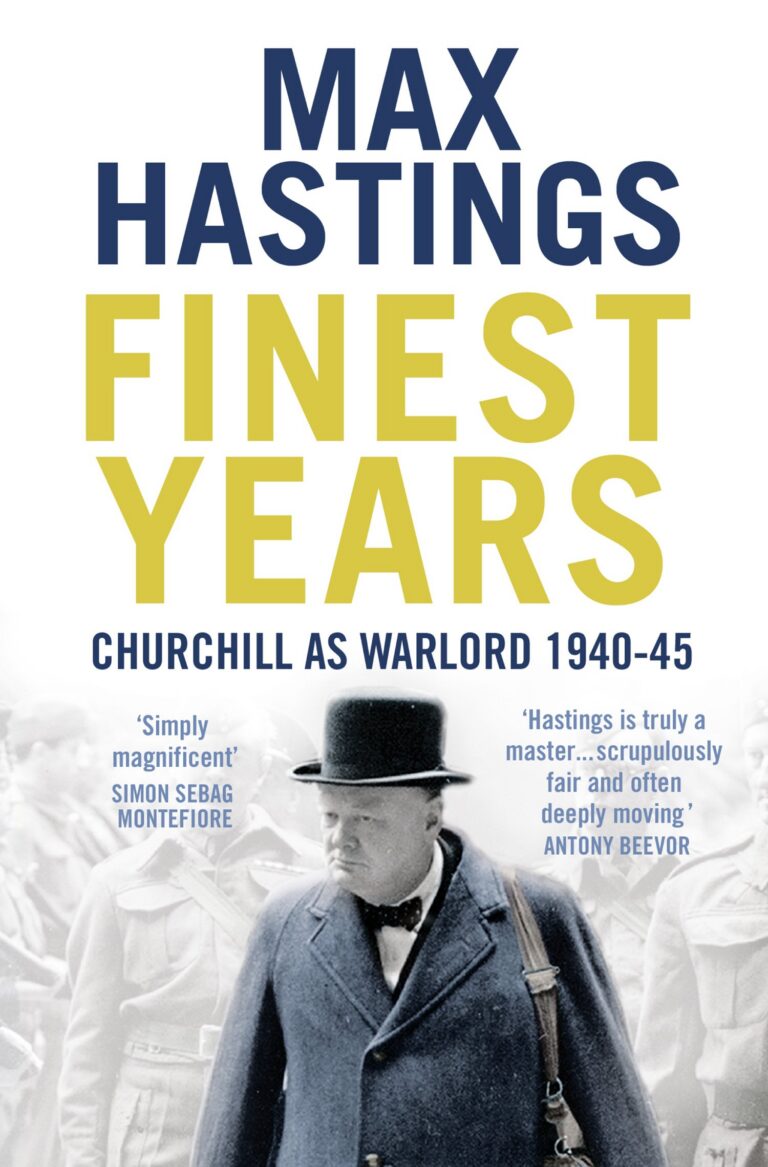
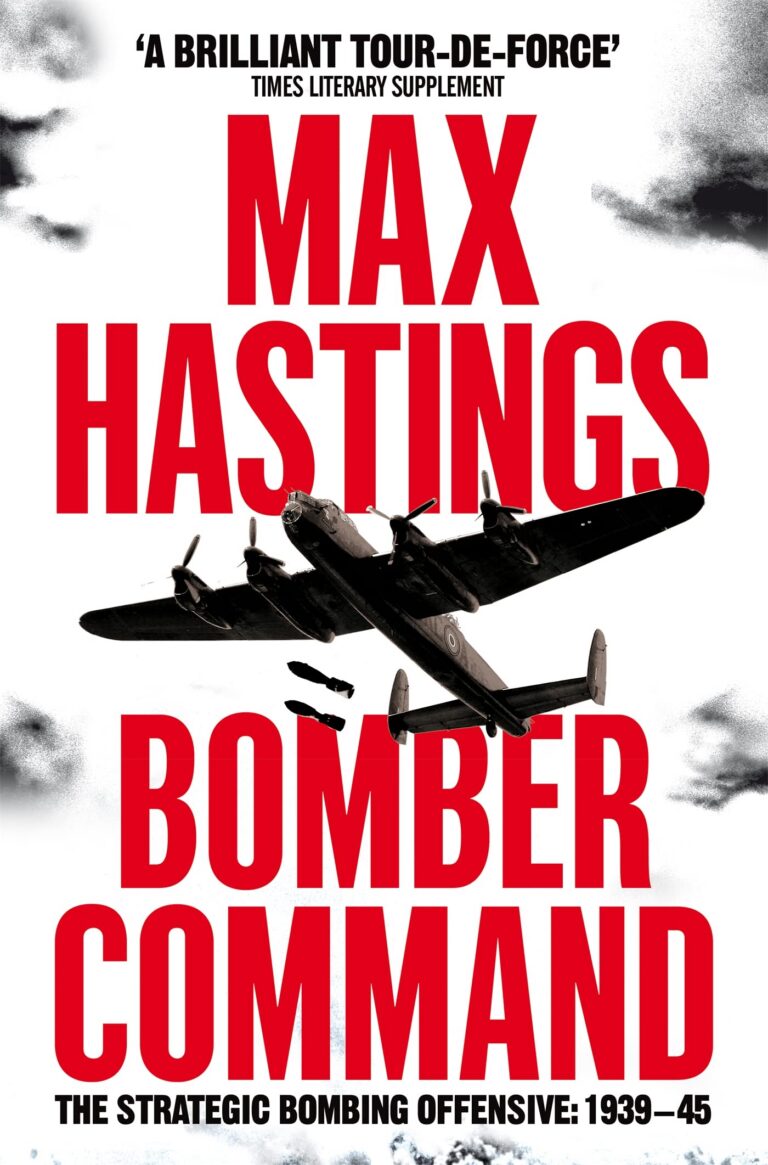
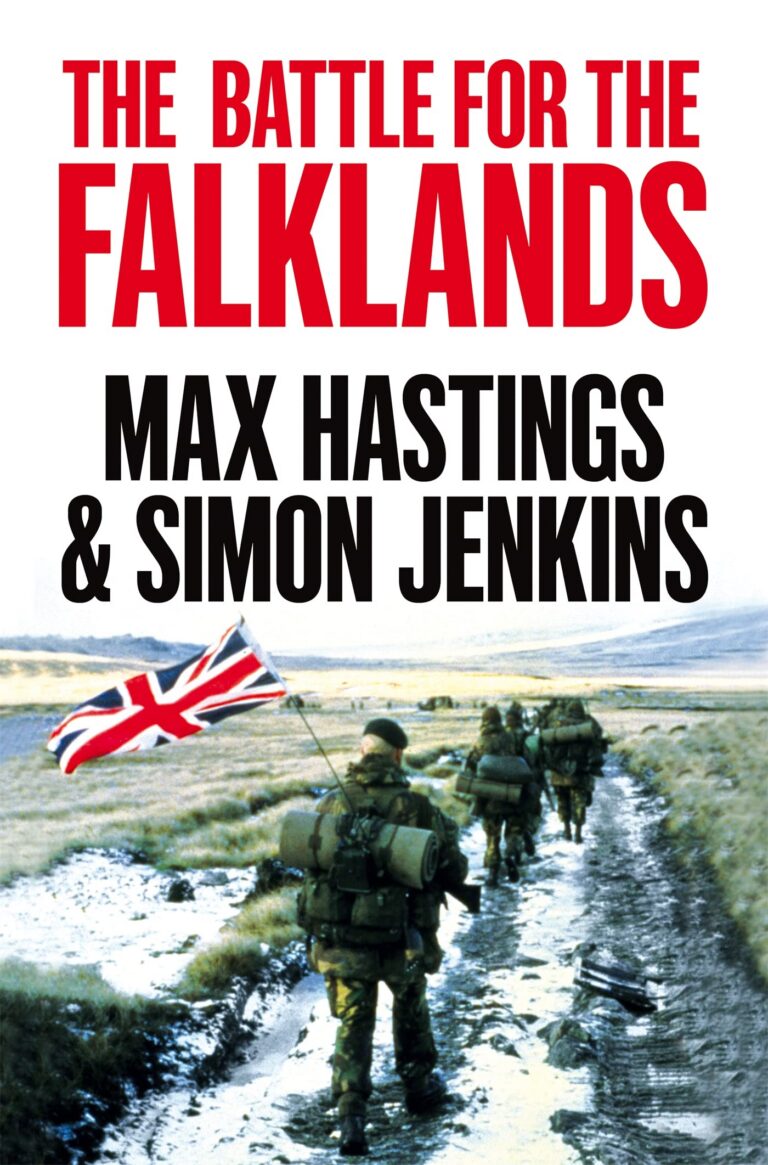
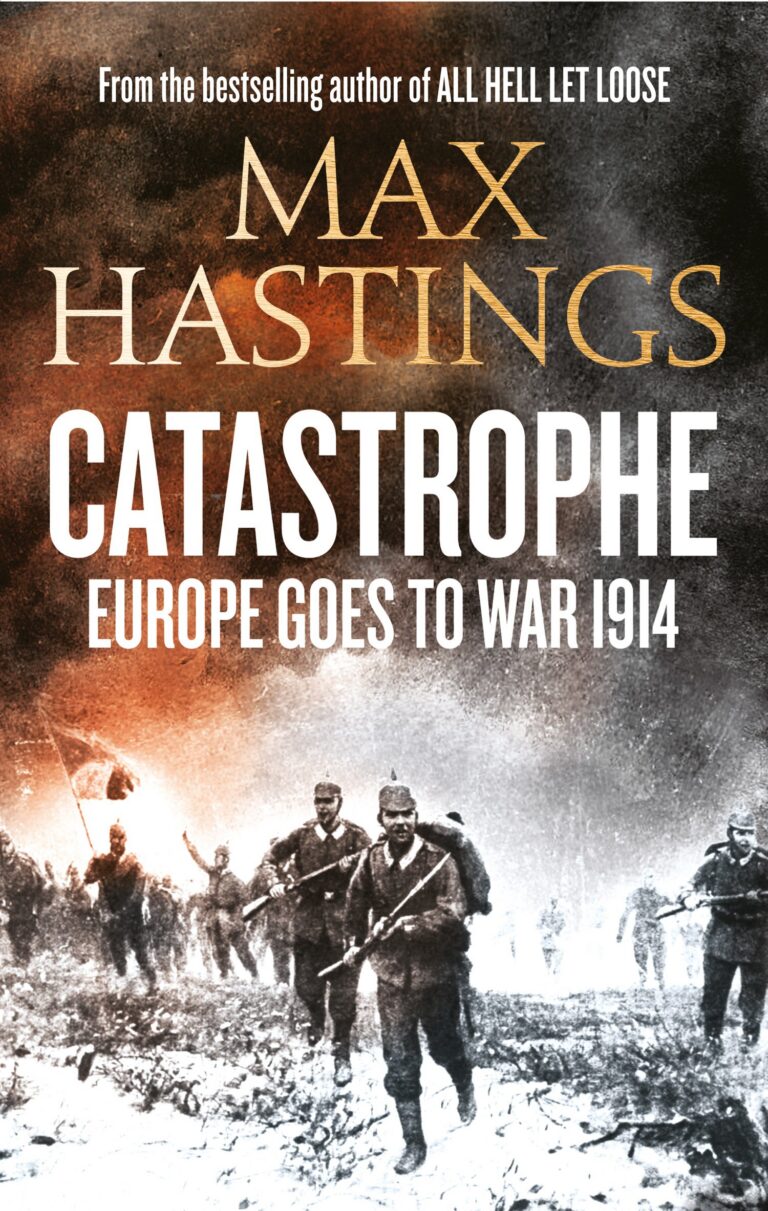
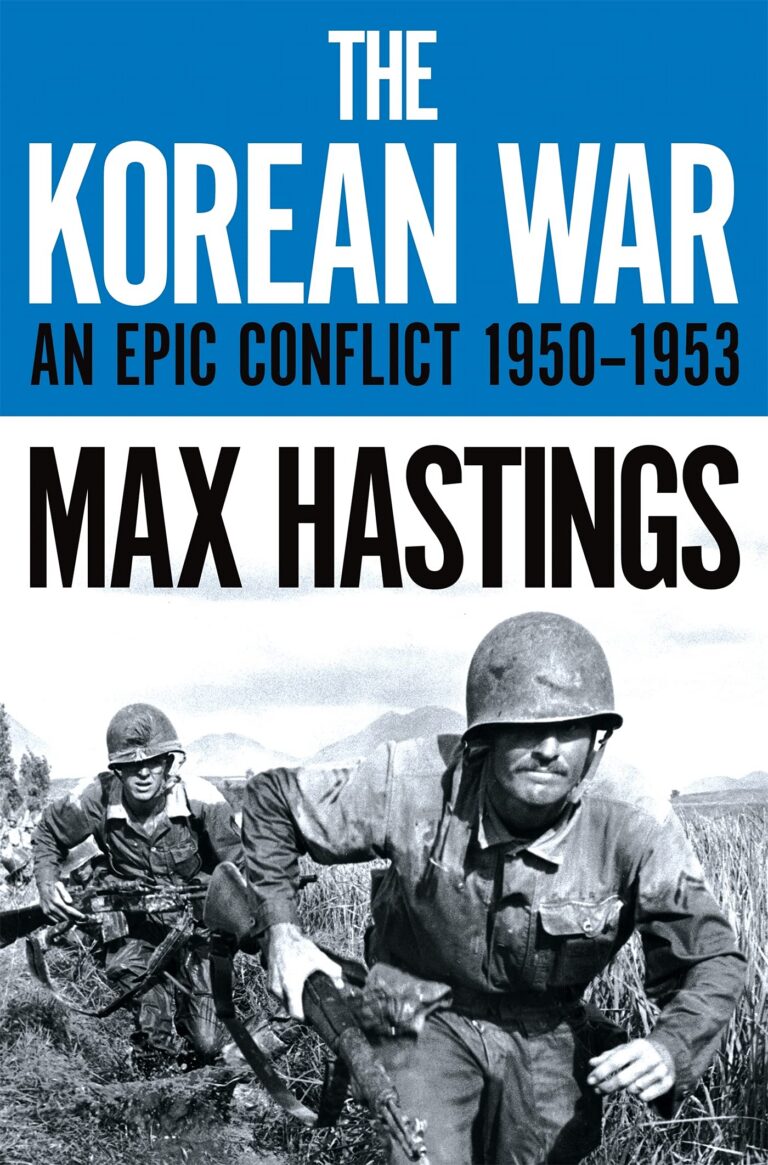
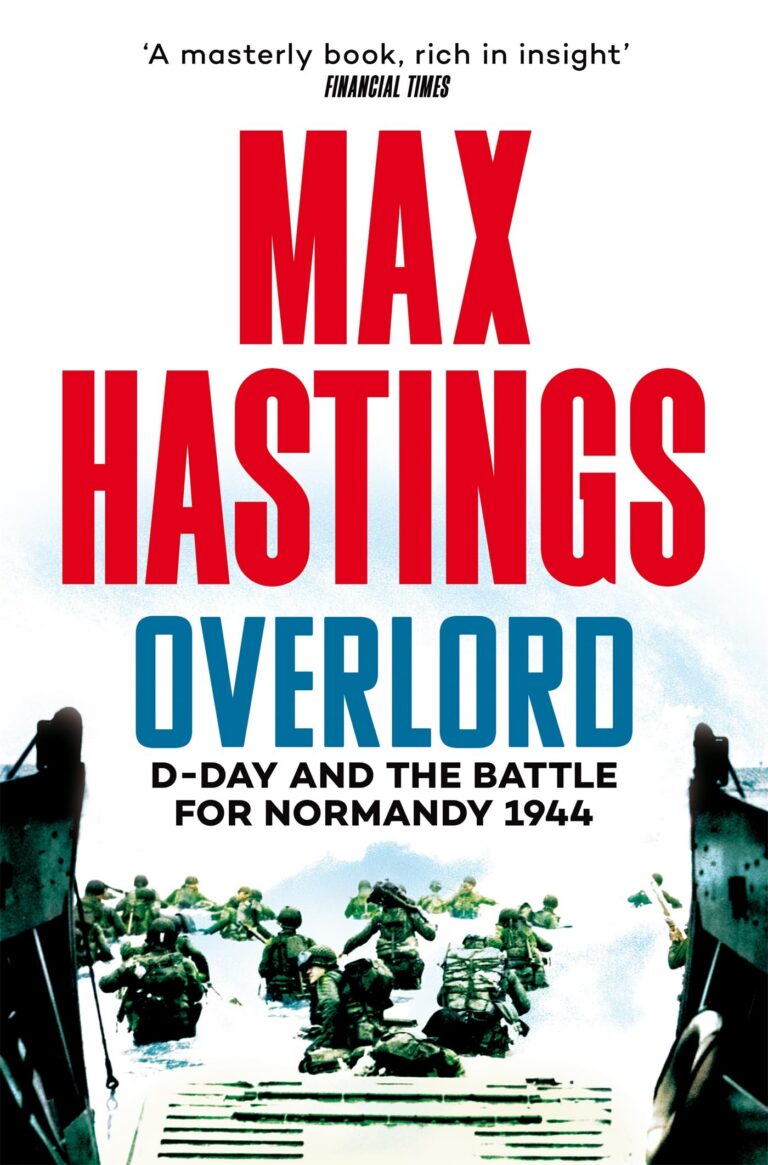
Hastings has written extensively about both world wars and post-1945 conflicts. Bomber Command examines the RAF bombing campaign against Germany, while Overlord covers the Normandy invasion and campaign of 1944, and Armageddon follows the final battles in Germany in 1944–45. Inferno: The World at War, 1939–1945 provides a broad history of the Second World War, while Retribution concentrates on the final struggle against Japan. Catastrophe 1914 examines the outbreak and opening months of the First World War, and The Secret War explores espionage, codebreaking and resistance during 1939–45. His post-war histories include The Korean War, Vietnam: An Epic Tragedy, 1945–1975 and The Battle for the Falklands, written with Simon Jenkins. More recent works include Operation Pedestal, on the 1942 Malta convoy, and Abyss, his account of the Cuban Missile Crisis. Across these books Hastings combines political and operational history with accounts from soldiers and civilians, often questioning heroic national narratives and emphasising the destructive consequences of command decisions.